
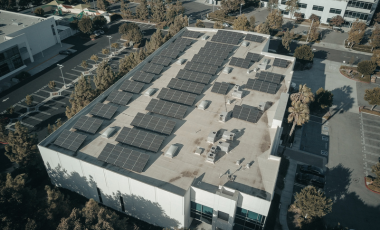
Not every commercial property is an equally strong candidate for solar. Two facilities with similar square footage can have very different opportunities depending on energy usage, available roof or land, utility rates, electrical infrastructure, and long-term plans for the property.
Before detailed engineering begins, businesses can evaluate several key factors to determine whether a commercial solar project is worth exploring.
Quick Commercial Solar Feasibility Checklist
| Question | Strong Starting Point |
| Do you have usable roof, land, or parking space? | Large, relatively unobstructed areas with good solar exposure |
| Does the facility use significant electricity? | Consistent commercial or industrial energy consumption |
| Is substantial power used during the day? | Daytime loads that can use onsite solar generation |
| Are electricity costs meaningful to the business? | Higher utility costs can increase the value of solar generation |
| Will you own or occupy the property long term? | Enough time to realize the project’s financial benefits |
| Is the roof and electrical infrastructure suitable? | Existing conditions are compatible or upgrades are manageable |
A “no” to one of these questions does not necessarily rule out solar. It usually means that area requires additional evaluation.
1. Do You Have Enough Usable Roof, Land, or Parking Space?
Available space is one of the first things a solar developer will evaluate, but total square footage does not tell the full story. For rooftop solar, usable area may be limited by HVAC equipment, skylights, setbacks, shading, roof geometry, structural conditions, and access requirements. Roof age also matters because the expected life of the roof should be considered alongside the solar project.
If rooftop space is limited, ground-mounted systems or solar canopies may provide other options. Colite evaluates these conditions as part of its commercial solar installation process rather than assuming every available area can support panels.
2. How Much Electricity Does the Facility Use?
A large roof does not automatically make a building a good solar candidate. The facility’s energy profile matters just as much. Historical utility bills help show how much electricity the property uses throughout the year, while interval or demand data can reveal when that energy is being consumed. Facilities with significant daytime loads may be particularly well positioned to use solar energy as it is generated.
Before evaluating a project, gather:
- At least 12 months of utility bills
- Monthly electricity consumption
- Peak demand information, when available
- Interval usage data, if available
- Expected future loads, such as expansion, EV charging, or new equipment
The goal is not simply to install as much solar as the property can hold. It is to design a system that makes sense for the way the business actually uses energy.
3. What Are You Paying for Electricity?
Utility rates can have a major impact on commercial solar economics. Two facilities using the same amount of electricity may see very different financial results if one pays significantly more for power. Commercial bills may also include demand charges, time-of-use pricing, and other rate components that affect how much value solar can create.
When evaluating feasibility, ask:
- What is our current cost of electricity?
- Do we pay significant demand charges?
- Does pricing change depending on the time of day?
- How much of our utility bill could onsite generation realistically offset?
A useful solar analysis should be based on the facility’s actual utility bills and rate structure, not a generic electricity price.
4. How Long Do You Expect to Own or Occupy the Property?
Commercial solar is a long-term investment, so the organization’s plans for the property matter. A company that owns its building and expects to remain there for many years has a straightforward opportunity to benefit from long-term energy savings. Businesses approaching a lease expiration, relocation, sale, or major redevelopment need to consider how those plans affect the project.
Key questions include:
- Does the business own the property?
- If leased, how long is the remaining term?
- Is a sale, relocation, or major expansion expected?
- Does the ownership timeline align with the project’s financial goals?
These considerations should also be reviewed alongside available solar financing and incentives.
5. Can the Roof and Electrical Infrastructure Support Solar?
For rooftop projects, the roof and electrical system can significantly influence feasibility and project cost. Roof age, condition, material, structural capacity, drainage, and existing equipment should all be evaluated before installation. If a roof is approaching replacement, it may make sense to coordinate roofing work with the solar project rather than install an array that later needs to be removed. The facility’s electrical infrastructure also needs to support the proposed system. Depending on the property, this can involve reviewing electrical service, switchgear, panels, transformers, distribution equipment, and the intended point of interconnection.
Through its commercial solar EPC services, Colite evaluates these conditions as part of the overall system design rather than treating electrical integration as an afterthought.
6. Are There Operational or Site Constraints?
Commercial solar is usually installed at an active facility, so construction must work around ongoing operations. Production schedules, customer traffic, loading areas, roof access, planned shutdowns, safety requirements, and construction sequencing can all affect how a project is designed and scheduled. Site conditions also matter. Shading, terrain, roof obstructions, soil conditions, drainage, and distance from electrical infrastructure can influence system layout and cost. These challenges do not necessarily make a project unworkable. They simply need to be identified early enough to be incorporated into engineering and construction planning.
7. Would Battery Storage Improve the Project?
A facility does not need battery storage to benefit from solar, but some businesses may gain additional value by evaluating both technologies together.
Battery storage may help support:
- Peak demand management
- Use of stored solar energy later in the day
- Energy resilience
- Backup support for selected critical operations
The important question is what the battery is intended to accomplish. Colite designs commercial battery energy storage systems around facility load profiles, solar production, and operating priorities rather than treating storage as a standard add-on.
What Makes a Facility a Strong Solar Candidate?
The strongest commercial solar opportunities usually combine several favorable conditions: significant electricity usage, useful roof or land area, meaningful daytime demand, favorable utility economics, suitable infrastructure, and a long-term interest in the property.
Potential challenges do not always mean the project should stop. An aging roof may lead to coordinating roof replacement with solar. Limited rooftop space may shift the project toward a ground-mount or canopy. An unusual load profile may make battery storage worth considering.
What to Have Ready for a Solar Feasibility Review
If your facility appears to be a potential fit, a few pieces of information can make the initial evaluation more productive:
- 12 months of electricity bills
- Facility address and utility provider
- Basic roof or site information
- Approximate roof age
- Known electrical-system information
- Expected facility expansion or new electrical loads
- Ownership or occupancy timeline
- Interest in battery storage
- Primary project goals
You do not need to know the ideal system size before starting the conversation. Determining that is part of the feasibility and engineering process.
Find Out Whether Solar Makes Sense for Your Facility
A commercial solar feasibility review should answer more than whether panels will fit on the roof. It should determine whether your site, energy use, utility costs, infrastructure, and long-term business plans can come together to create a practical project.
Colite Technologies develops commercial solar systems around the conditions of each facility, from initial evaluation and engineering through procurement, construction, commissioning, and long-term support.
If your business is considering solar, contact Colite Technologies to start with your facility, utility usage, and project goals.