
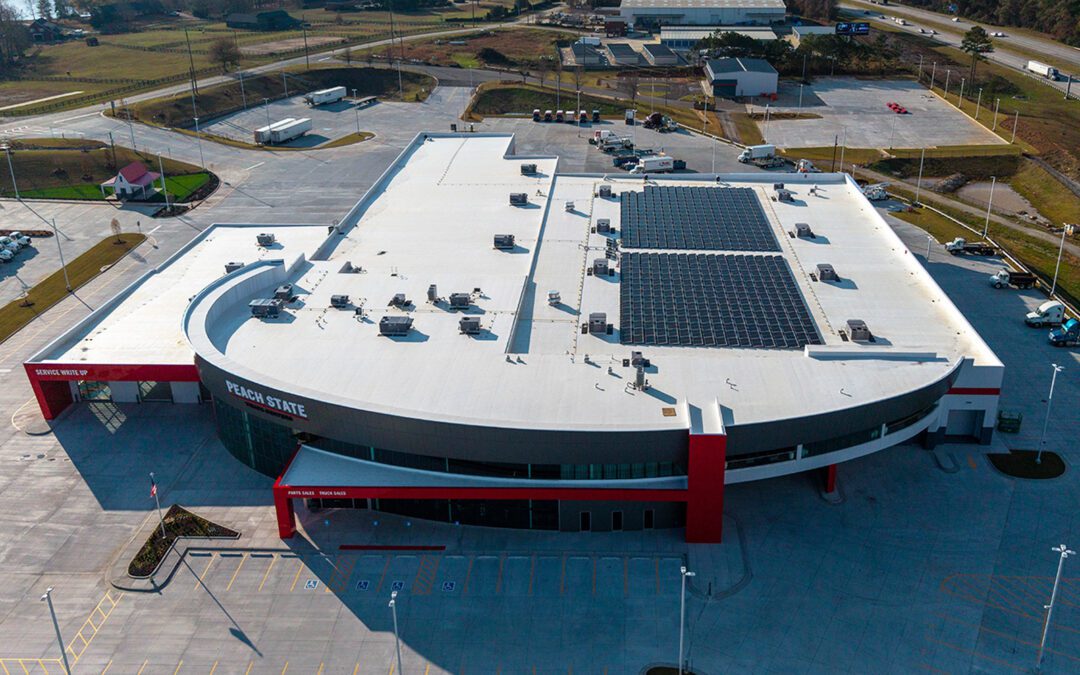
For most facility owners, energy is a line item that shows up every month, and gets paid without much debate. But the most valuable business energy decisions rarely happen at the bill level. They happen when leadership steps back and asks bigger questions: How is our facility actually using power? What risks are we carrying? And which investments will protect margins for the next 20 years?
At Colite Technologies, we work with commercial and industrial organizations that are ready to treat energy as a strategic asset instead of a fixed cost. Here is how to approach business energy decisions with a wider lens.
Why Business Energy Decisions Reach Beyond the Utility Bill
A utility bill tells you what you spent. It does not tell you why, when, or what could change. Organizations that only react to the bill tend to make isolated, short-term choices, such as replacing a failed unit or switching a rate plan, without considering how each piece affects the whole system.
Strong business energy decisions connect the dots between consumption, generation, storage, lighting, and operations. When these pieces are planned together, savings compound and risk drops.
Start With a Clear Picture of Your Load
Every good decision starts with data. An energy audit reviews how your facility consumes electricity across the day, the week, and the season. It identifies equipment that is running inefficiently, spaces that are over-lit, and loads that spike at costly times.
With this baseline, business energy decisions become measurable, and you can compare options on real payback.
Understand Demand Charges Before Anything Else
Many commercial customers are surprised to learn that a large share of their bill has little to do with total kilowatt-hours. Demand charges are based on your highest short-term peak in a billing period, and a single spike can set the cost for the entire month.
Any serious conversation about business energy decisions should include a review of peak demand, because the right solution may target when you use power as much as how much you use. Solar production during daytime peaks and battery discharge during short spikes can both help flatten the load that drives these charges.
Solar and Battery Storage: Stronger Together
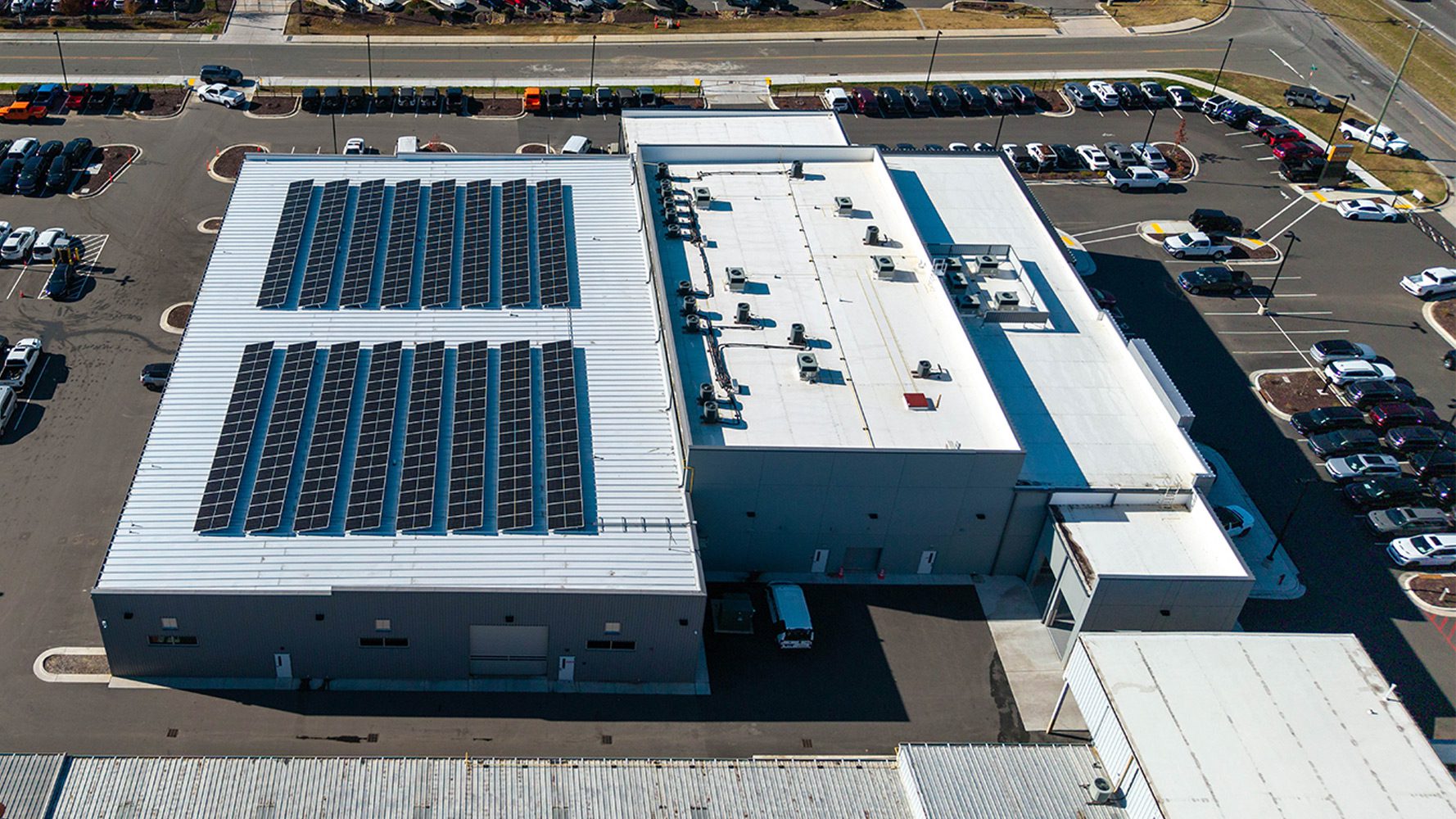
Commercial solar generates clean electricity from space you already own, whether that is a rooftop, a carport, or open land. Pairing it with battery storage adds flexibility. Excess energy produced in the middle of the day can be stored and used later, reducing grid purchases during expensive periods.
We put this approach to work ourselves. Our own headquarters runs a solar-plus-storage system, giving our team firsthand experience with performance, monitoring, and day-to-day value. That experience shapes how we advise clients on business energy decisions, because we understand what it takes to operate these systems, not only install them.
Don’t Overlook Lighting and Efficiency
Not every smart move involves generation. LED retrofits are often among the fastest and most predictable upgrades available. They cut electricity use and maintenance while improving safety and visibility.
Efficiency also makes everything else work better. When you reduce baseline consumption first, any solar or storage system you add can be sized more precisely, which improves return on investment. For new construction, renewable lighting systems can run fully off grid.
Plan for Resilience, Not Just Savings
Power interruptions carry real costs: lost production, spoiled inventory, idle staff, and frustrated customers. Resilience is difficult to put on a spreadsheet, but it belongs in every set of business energy decisions.
Battery storage can keep critical loads running during outages. For larger or more complex sites, a commercial microgrid can allow a facility to operate independently of the grid when needed.
Factor in Incentives and Financing
Federal, state, and utility incentives, along with tax treatment such as depreciation, can significantly change the economics of a project. These programs evolve, and eligibility depends on your location, timing, and tax situation. That makes it important to review current rules with a qualified tax professional alongside your energy partner.
Good business energy decisions account for incentives, financing structure, and long-term operating savings together.
Build a Roadmap Instead of a One-Off Project
The most successful organizations do not treat energy as a single purchase. They build a phased roadmap. A typical path might look like this:
- Audit current usage and identify peak demand drivers.
- Complete efficiency and lighting upgrades for quick wins.
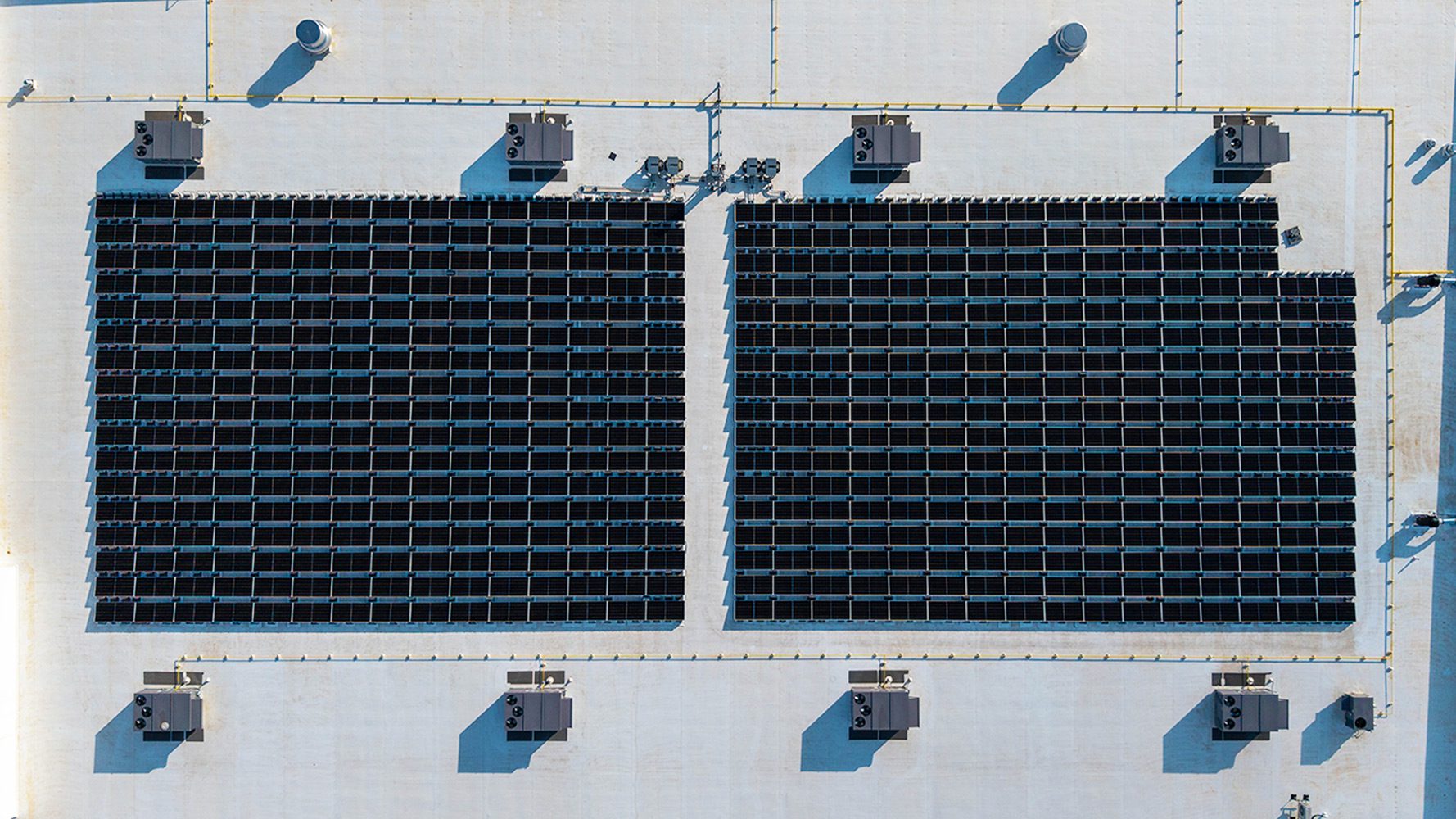
- Install solar sized to the improved load profile.
- Add battery storage to manage demand and strengthen resilience.
- Monitor results and adjust as operations grow.
Make Your Next Move with Confidence
Energy touches budgets, operations, brand, and risk all at once. That is why business energy decisions deserve the same attention you would give any other major capital planning choice.
If you are weighing solar, storage, lighting upgrades, or a combination, the Colite Technologies team can help you evaluate your options, model realistic savings, and build a plan that fits your facility. Contact Colite Technologies today to start the conversation and take the next step toward a smarter energy future.