

Manufacturing facilities rely on consistent, reliable energy to keep production moving. From operating heavy machinery and automated equipment to powering lighting, ventilation, and climate control systems, energy use can account for a significant portion of operating expenses. As electricity costs fluctuate, manufacturers are looking for practical ways to manage expenses without compromising productivity.
Commercial solar for manufacturing facilities offers an opportunity to reduce electricity costs while supporting long-term energy planning. By evaluating a facility’s energy use, available space, and electrical infrastructure, Colite Technologies helps manufacturers determine how solar can fit into their operations.
With experience in commercial solar development and installation, Colite Technologies works with businesses to evaluate their facilities, design systems around their needs, and manage projects from planning through completion.
Why Commercial Solar Makes Sense for Manufacturing Facilities
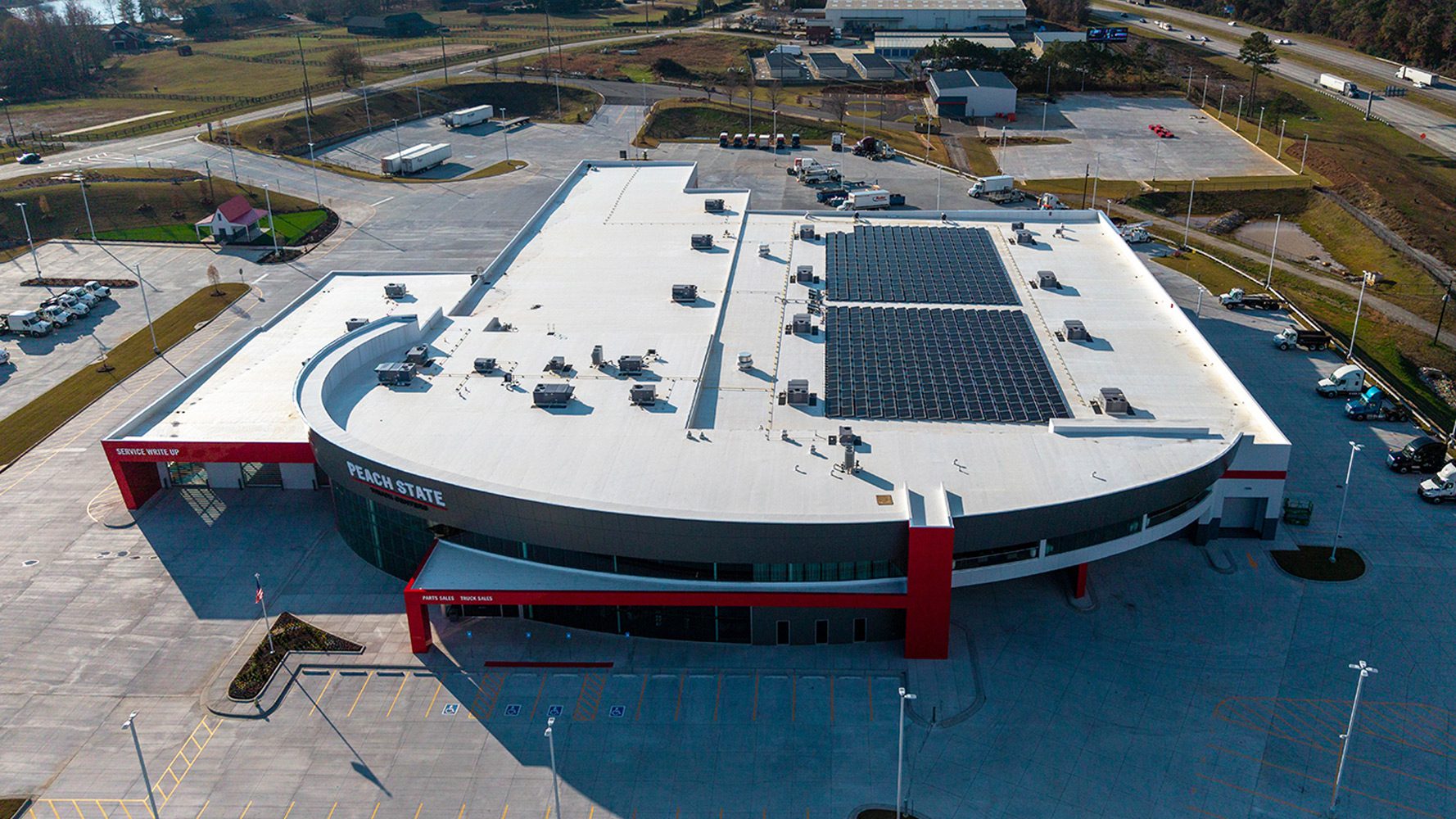
Manufacturing facilities often have large rooftops, expansive properties, and substantial daytime electricity demand. These characteristics can make them strong candidates for commercial solar for manufacturing facilities, depending on the facility’s energy usage, structural conditions, and available space.
Installing solar can help manufacturers generate electricity on-site and reduce the amount of power they need to purchase from the grid. Over time, this can create greater predictability in energy expenses and support broader business goals.
Some potential benefits of commercial solar for manufacturing facilities include:
- Lower electricity expenses: Generate a portion of the electricity your facility needs and potentially reduce utility costs.
- Greater energy cost predictability: Offset some exposure to changing electricity rates.
- Better use of available space: Put suitable rooftops, parking areas, or open land to productive use.
- Progress toward sustainability goals: Reduce reliance on grid electricity and support company environmental initiatives.
- Long-term operational value: Invest in an energy solution designed around the facility’s needs and long-term plans.
The value of solar varies by project. Factors such as utility rates, energy consumption, system size, and available incentives all influence potential savings.
Evaluating Your Facility for Commercial Solar
A successful solar project starts with understanding how a manufacturing facility operates. Not every building has the same energy requirements, roof conditions, or electrical infrastructure, so a system should be designed around the specific property rather than based on square footage alone.
Colite Technologies evaluates key factors to help determine whether a facility is suitable for solar and what type of system may provide the greatest value.
This process can include reviewing:
- Energy consumption: Understanding electricity usage patterns, utility costs, and periods of peak demand.
- Roof and property conditions: Assessing available rooftop space, structural considerations, shading, and potential ground-mounted or canopy locations.
- Electrical infrastructure: Reviewing existing electrical equipment and the facility’s ability to accommodate a solar installation.
- Operational requirements: Identifying production schedules, access restrictions, and other considerations that may affect project planning.
- Future energy needs: Considering planned expansions, new equipment, or changes in production that could affect electricity demand.
This evaluation helps establish realistic project expectations and supports system design decisions. It also allows Colite Technologies to identify potential challenges early, before they create unnecessary complications during construction.
Designing a System Around Production and Energy Needs
Effective commercial solar for manufacturing facilities projects account for the complexity of manufacturing operations and the energy requirements that vary by equipment, shifts, and production schedules.
Colite Technologies develops commercial solar solutions based on the facility’s energy profile, property conditions, and project objectives. Depending on the site, a system may use rooftop solar, ground-mounted panels, solar canopies, or a combination of solutions.
For manufacturers, system design may involve balancing several priorities:
- Matching system size to the facility’s electricity consumption and available space.
- Coordinating with existing electrical infrastructure and utility requirements.
- Considering how current production schedules affect energy use.
- Planning for future facility growth and potential increases in electricity demand.
A well-planned system is intended to support the business over the long term. By evaluating these details before installation begins, Colite Technologies helps manufacturers make informed decisions about how solar can fit into their facilities.
Understanding the Financial Benefits of Commercial Solar
For manufacturers operating on tight margins, controlling overhead expenses is an important part of maintaining profitability. Because electricity can represent a substantial operating cost, reducing grid electricity purchases may provide meaningful long-term financial value.
The potential return from commercial solar for manufacturing facilities depends on the project’s cost, system performance, electricity rates, financing structure, and applicable incentives. Reviewing these factors helps businesses understand whether solar aligns with their financial objectives.
Depending on the project, manufacturers may explore different financing approaches, including direct ownership, financing arrangements, or other available structures. Each option has different implications for upfront costs, ownership, and long-term savings.
Colite Technologies works with businesses to evaluate project requirements and available options. A facility-specific assessment can help estimate system production, potential utility savings, and the financial considerations that should be reviewed before moving forward.
Keeping Production Moving During Construction
One of the biggest considerations for manufacturers is how construction will affect daily operations. Production schedules, employee access, equipment movement, and facility safety must remain priorities throughout the installation process.
Although every project is different, careful planning can help reduce disruption. Colite Technologies coordinates project activities around site conditions and operational requirements, working to establish a clear path from construction planning through installation and commissioning.
Important considerations include:
- Scheduling work around production demands and facility access.
- Coordinating equipment deliveries, staging areas, and installation activities.
- Identifying safety requirements and restricted work zones.
- Communicating project milestones and potential operational impacts.
Solar installation does require coordination, and some projects may involve temporary access restrictions or electrical work. Evaluating these needs early helps manufacturers understand what to expect and plan accordingly.
With an organized project approach, businesses can work toward adding solar while maintaining their focus on production.

Integrating Battery Storage for Greater Energy Flexibility
For businesses considering commercial solar for manufacturing facilities, battery storage may be another part of a broader energy strategy.
Battery storage can complement a solar installation by storing available electricity for use at a later time, depending on system configuration and operating conditions.
This can provide additional flexibility for facilities that want to better manage when they use generated energy. Battery storage may also support certain demand-management strategies, depending on utility rate structures and the facility’s load profile.
Colite Technologies evaluates whether energy storage makes sense based on a facility’s electricity usage, operating priorities, and project goals. Solar and storage can be designed as a combined solution when the site’s requirements support that approach.
Learn more about Colite Technologies’ commercial energy storage solutions and how they can complement a facility’s energy strategy.
Supporting Long-Term Solar Performance
Installing a solar system is an important step, but ongoing performance matters just as much. Monitoring and maintenance can help businesses identify issues, address equipment concerns, and keep their systems operating as intended.
Ongoing monitoring and maintenance are important considerations for commercial solar for manufacturing facilities, helping businesses track system performance over time.
Colite Technologies offers operations and maintenance services that support long-term system performance. Depending on the project and service scope, these services may include performance monitoring, inspections, preventive maintenance, troubleshooting, and equipment support.
For manufacturers, consistent system performance helps protect the value of the investment and provides greater visibility into how the solar installation is operating.
Learn more about Colite Technologies’ commercial solar operations and maintenance services.
Explore Commercial Solar for Manufacturing Facilities With Colite Technologies
Energy costs can affect a manufacturer’s operating budget, production strategy, and long-term planning. Commercial solar for manufacturing facilities provides a potential way to offset electricity expenses while making productive use of available property.
The right approach begins with evaluating the facility, understanding its energy requirements, and designing a system that accounts for operational needs. From initial planning through installation and ongoing support, Colite Technologies works with businesses to develop commercial solar solutions tailored to their properties and goals.
If your manufacturing facility is considering solar, Colite Technologies can help you evaluate your site and determine whether a project makes sense for your business.
Visit our page on solar solutions for manufacturing facilities or contact Colite Technologies to discuss your facility’s energy needs.