
If you’ve glanced at your power bill lately and felt a bit of sticker shock, you’re not alone. In 2025, rising electricity rates are hitting homes and businesses across the country—and experts say this is just the beginning.
Whether you’re a homeowner in Columbia, SC or running a growing business, you’re probably asking:
What can I do to protect myself from unpredictable utility costs?
The answer is clear: solar energy.
This post explores why rising electricity rates are making solar one of the smartest investments in 2025. We’ll break down the trends, show you the financial upside of going solar now, and share how Colite Technologies can help you lock in long-term savings and energy independence.
What’s Causing Rising Electricity Rates in 2025?
Across the U.S., electricity prices have jumped 6–10% annually over the past three years. Here in South Carolina, customers of Dominion Energy and Duke Energy are paying noticeably more, especially during peak months.
The main drivers of rising electricity rates include:
-
Aging grid infrastructure requiring expensive upgrades
-
Fuel price volatility, especially for natural gas
-
Climate-related disasters leading to higher maintenance costs
-
Increased demand from electric vehicles and smart home devices
-
Utility profit targets that pass costs onto consumers
And while rate hikes used to be rare, many utilities now raise prices annually or semi-annually—leaving consumers with little time to adjust.
The Hidden Costs Behind the Bill
Electricity bills are more than just kilowatt-hours (kWh) used. For homeowners and businesses, costs can include:
-
Base service charges
-
Time-of-use surcharges
-
Fuel cost adjustments
-
Demand fees for commercial properties
These add-ons can significantly inflate your bill—even if your usage stays the same. It’s no wonder rising electricity rates are becoming a top financial concern for families and companies alike.
How Solar Shields You from Rising Electricity Rates
Now for the good news.
Solar power offers a permanent way to fight back against rising utility costs. By generating your own energy, you reduce your dependence on the grid and avoid unpredictable rate hikes.
Here’s how solar helps:
???? 1. Fixed Energy Costs
Once your solar panels are installed, your electricity costs become predictable. You generate your own power, and excess energy can be credited back to you through net metering.
In Columbia, SC, customers of Dominion and Duke Energy can take advantage of utility net metering programs to offset high summer and winter bills.
???? 2. Faster ROI as Rates Rise
Every time electricity rates go up, your solar ROI improves. That’s because each kilowatt-hour your system produces is worth more than it was a year ago.
???? 3. Long-Term Protection
Solar systems typically last 25–30 years. If rates keep increasing, your long-term savings compound—and your system pays for itself multiple times over.
Learn more about solar return on investment in our post on how commercial solar saves money.
Real-World Commercial Example: Columbia, SC
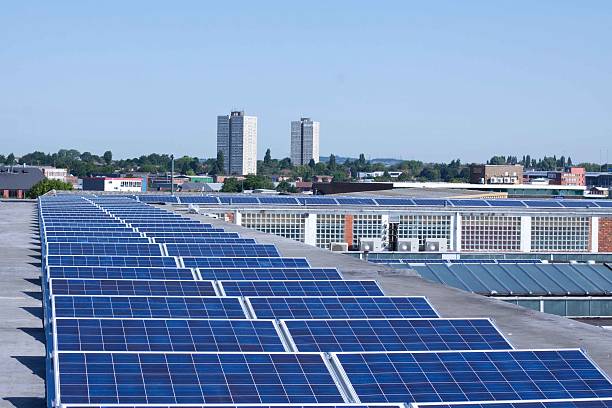
Rising utility costs aren’t just squeezing homeowners — businesses are feeling the impact even more. To illustrate, let’s look at a typical small commercial facility near Millwood Ave in Columbia, South Carolina.
Solar Investment Scenario — 25 kW Rooftop System
Installing a 25 kW commercial solar array changes the math significantly:
-
Expected production: ~2,800 kWh per month (≈33,600 kWh annually)
-
Bill reduction: ~$3,700 per year in direct energy savings (before demand-charge reduction)
-
New monthly bill: closer to $650 rather than $950+
-
Long-term impact: ~$90,000+ in avoided utility costs over 25 years — without factoring in incentives or future rate hikes
Why This Matters for Businesses in 2025
-
Insulation from Rate Inflation – Solar provides a shield against utility price volatility. While grid rates climb, your cost of solar stays fixed.
-
Budget Stability – Predictable, lower energy costs make long-term financial planning easier, freeing up cash flow for growth.
-
Potential for Even Greater Savings – Smart load management and battery storage can reduce demand charges, adding another layer of ROI.
-
Stacked Incentives – Federal and South Carolina tax credits, plus property tax exemptions, can cover a significant portion of system costs — accelerating payback.
Bottom Line
For a small commercial site in Columbia, going solar in 2025 isn’t just about sustainability — it’s about turning a volatile expense into a stable, long-term asset. As electricity rates rise, the value of each kilowatt-hour generated by solar only increases, making the investment smarter with every passing year.
Businesses Hit Even Harder
If you’re running a business, rising electricity rates can be even more damaging due to:
-
Demand charges
-
Seasonal rate shifts
-
High operating hours (especially for warehouses, restaurants, and medical facilities)
Commercial solar systems not only offset usage but also help reduce peak demand charges and provide energy stability during outages.
Discover how we help business owners cut costs with our commercial solar services.
Financial Benefits of Going Solar Now
Here’s why now—while rates are rising—is the perfect time to invest in solar:
✅ 30% Federal Tax Credit
You still qualify for the Solar Tax Credit (ITC), covering 30% of installation costs. That’s a major incentive—especially as hardware costs have stabilized in 2025.
✅ SC State Tax Credit (25%)
In South Carolina, you also get up to 25% off your system cost, with a maximum of $3,500 annually over 10 years.
Want to stack these savings? Read our solar tax credit breakdown.
✅ Net Metering
Use Columbia’s generous net metering programs to get credit for any extra power your system sends to the grid—perfect for sunny summer days.
✅ Property Tax Exemptions
Solar increases property value but is exempt from property tax increases in SC.
Bonus Savings with Battery Storage
Pairing your solar system with battery storage helps you:
-
Use solar power at night
-
Avoid peak rates
-
Keep the lights on during outages
-
Reduce reliance on utility billing structures
In 2025, batteries still qualify for the 30% tax credit, making them a smarter investment than ever.
Check out our solar battery backup guide to see how storage can future-proof your system.

Solar vs. Rising Electricity Rates: A Long-Term View
Here’s what 25 years of energy costs could look like:
| Year | With Utility Only | With Solar (6 kW System) |
|---|---|---|
| 2025 | $2,100 | $350 (grid backup only) |
| 2030 | $2,700 | $400 |
| 2035 | $3,400 | $500 |
| 2040 | $4,400 | $600 |
| Total | $60,000+ | $12,000–15,000 |
Solar doesn’t just save you money—it locks in your energy costs while utility rates spiral upward.
The Psychological Benefit: Energy Freedom
Many homeowners feel powerless against utility monopolies. Every rate hike feels unfair, and every surprise bill becomes a stress point.
Installing solar brings a sense of energy independence—a feeling that you’ve taken back control of your finances and your future.
Why Choose Colite Technologies?
As a Columbia-based company, we understand the unique needs of South Carolina homeowners and businesses. We’ll help you:
-
Analyze your current utility bills
-
Design a solar system to match your usage
-
Apply for all local, state, and federal incentives
-
Install your system quickly and efficiently
-
Monitor performance for years to come
We believe energy freedom shouldn’t be out of reach—and we’ll work with you to make it a reality.
Conclusion: Stop Letting Rates Rise While You Wait
Rising electricity rates aren’t slowing down. The longer you wait, the more you’ll spend on power—and the more you’ll wish you’d gone solar sooner.
With strong tax incentives, dropping hardware costs, and skyrocketing utility prices, solar in 2025 isn’t just smart—it’s essential.
At Colite Technologies, we make it easy, affordable, and rewarding to take control of your energy future.
???? Schedule your free consultation now
Let’s turn those rising rates into long-term savings—and help you take the first step toward energy independence today.
Common Questions About Rising Electricity Rates and Solar
❓ Will electricity rates keep going up?
Yes. Utility companies face rising costs from grid maintenance, fossil fuel prices, and demand growth. Most areas expect 3–6% annual rate increases through 2030.
❓ What happens if I move after installing solar?
You’ll likely recoup your investment through increased home value. Homes with solar often sell faster and for more money than comparable non-solar homes.
❓ Is financing available?
Absolutely. Colite Technologies offers solar loans, lease options, and power purchase agreements to make solar accessible for all budgets.