
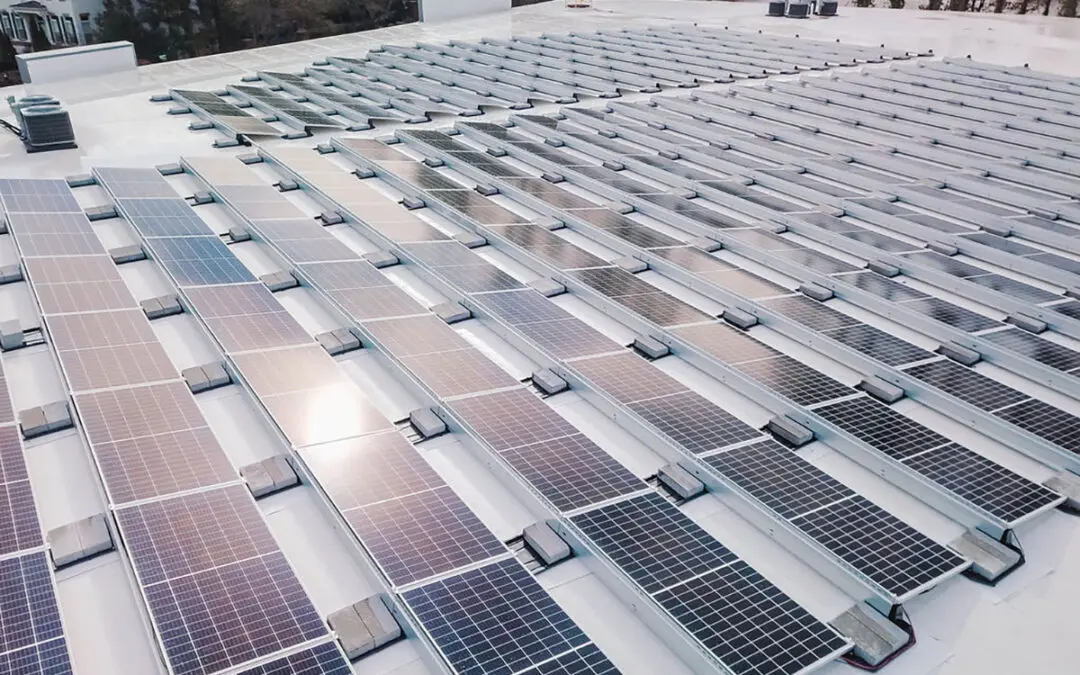
Switching to commercial solar isn’t just about going green anymore—it’s a financial strategy that savvy businesses are using to cut costs, hedge against rising energy prices, and increase long-term value. With electricity rates climbing and pressure mounting for companies to adopt sustainable practices, commercial solar is proving to be one of the smartest investments in 2025.
Let’s break down exactly how commercial solar can save your business money, both now and in the future.
Why Businesses Are Turning to Commercial Solar in 2025
The economics of energy are changing. Traditional grid power is becoming more expensive, less predictable, and increasingly carbon-intensive. In contrast, solar power offers:
-
Predictable energy costs
-
Significant tax advantages
-
Reduced operational overhead
-
Enhanced brand reputation
At Colite Technologies, we’ve seen firsthand how clients are turning these benefits into real financial wins.
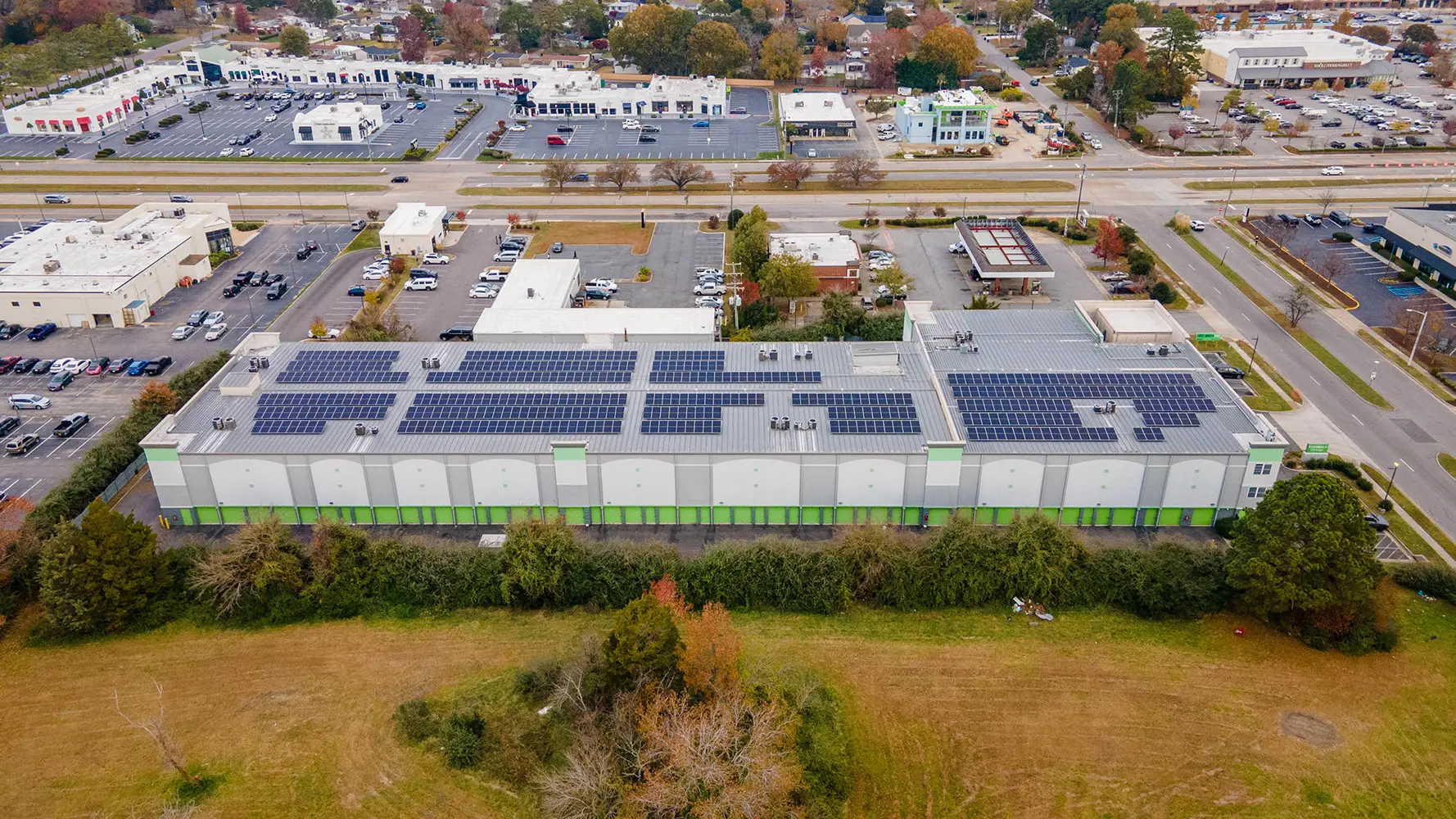
1. Lower Monthly Utility Bills
Let’s start with the obvious one—your power bill. By generating electricity onsite, commercial solar systems reduce or eliminate reliance on utility providers. Instead of paying ever-rising rates per kWh, businesses lock in predictable costs.
Example:
A mid-sized manufacturing plant spending $4,000/month on electricity could save 60–80% by installing a solar system—translating to over $30,000 in annual savings.
And in states with net metering or feed-in tariffs, you might even get paid for sending excess energy back to the grid.
2. Protection Against Rising Electricity Rates
Electricity rates in the U.S. have risen by an average of 15–20% over the last decade—and there’s no sign of that slowing down in 2025.
Commercial solar acts as a hedge against inflation. Once your system is installed, the sun doesn’t send you a monthly invoice. That means:
-
Long-term budget stability
-
Greater control over operational expenses
-
Reduced exposure to volatile utility pricing
This level of financial predictability is invaluable, especially for businesses managing tight margins.
3. Accelerated Depreciation & Tax Incentives
The U.S. federal government offers powerful financial incentives to commercial solar adopters. These include:
-
Investment Tax Credit (ITC) – Still available in 2025 for qualifying projects
-
MACRS Accelerated Depreciation – Allows businesses to depreciate 85–100% of the solar system value in the first year
-
State and local rebates – Depending on your location
These benefits often cover 30–50% of the upfront cost of a solar system.
Curious how these numbers stack up for your business? Request a free analysis.
4. Increased Property Value
Solar panels are a physical asset. When installed on commercial buildings, they can boost property values significantly—especially when paired with long-term energy savings.
Buyers and tenants alike view commercial solar as a feature that:
-
Lowers overhead
-
Reduces reliance on external energy sources
-
Improves ESG (Environmental, Social, and Governance) scores
For real estate developers and commercial landlords, solar isn’t just about cutting costs—it’s about increasing ROI.
5. Reliable ROI and Fast Payback Periods
Commercial solar systems typically pay for themselves in 3–6 years depending on location, incentives, and energy usage. After that? It’s pure profit.
With lifespans exceeding 25 years, many businesses enjoy 15–20+ years of low or no energy costs after breaking even. That’s a consistent, reliable return on investment—something few other capital expenditures can claim.

6. Reduced Maintenance and Downtime Costs
One of the most overlooked financial benefits of commercial solar systems is their low maintenance.
-
No moving parts = fewer breakdowns
-
Warranties of 20–25 years on panels and inverters
-
Remote monitoring = faster issue detection
With lower maintenance costs than traditional backup generators or industrial energy solutions, your business stays focused on operations—not equipment breakdowns.
7. Green Branding That Attracts Customers
Today’s consumers and B2B clients care about sustainability—and they vote with their wallets.
Switching to commercial solar sends a strong message that your business is:
-
Environmentally responsible
-
Forward-thinking
-
Committed to reducing its carbon footprint
For many brands, this isn’t just good PR—it’s a competitive edge. Customers are increasingly choosing partners aligned with their sustainability values.
See how other companies are leveraging clean energy on our case studies page.
8. Smart Financing Options with No Upfront Costs
One common objection to solar is the initial investment. But in 2025, the financing landscape has evolved.
Options include:
-
Solar leases
-
Power Purchase Agreements (PPAs)
-
Commercial loans with fixed low rates
-
Energy-as-a-Service (EaaS) contracts
Many of these require zero upfront payment, letting you start saving on day one and pay the system off over time with the savings it generates.
9. Demand Charge Reduction
Larger facilities often face “demand charges”—fees based on the highest level of energy drawn from the grid in a billing period.
Commercial solar paired with smart battery storage can significantly reduce these charges by:
-
Flattening peak demand
-
Shaving the top off your energy load curve
-
Automating load management
That can translate into thousands of dollars in additional savings every month.

10. Futureproofing Against Regulatory Changes
As governments tighten carbon targets, carbon-intensive businesses will likely face more penalties, fees, and operational restrictions.
Installing commercial solar now gives you a head start, especially as more jurisdictions:
-
Introduce carbon pricing
-
Mandate sustainability disclosures
-
Offer credits for clean energy use
Early adoption puts your business ahead of compliance—and earns goodwill from regulators and stakeholders alike.
What Types of Businesses Benefit Most from Commercial Solar?
While nearly any business can benefit from solar, it’s especially effective for:
-
Warehouses and manufacturing plants
-
Office buildings
-
Retail centers and malls
-
Cold storage and data centers
-
Agricultural operations
-
Schools, hospitals, and nonprofits
If you own your facility and have a sizable energy bill, commercial solar is worth a serious look.
Frequently Asked Questions
How much can I actually save with commercial solar?
It depends on your energy usage, location, and available incentives. Most businesses save 40–80% on annual electricity costs. We can provide a tailored savings estimate with a free solar audit.
Is solar worth it without the federal tax credit?
Absolutely. While the ITC helps, commercial solar remains cost-effective even without it—especially with MACRS depreciation and rising utility rates.
Can I finance solar without a down payment?
Yes. Many businesses opt for PPAs or leases that allow them to install solar with no upfront cost and start saving immediately.
Will solar panels affect my roof or building structure?
Not negatively. In fact, rooftop panels can extend your roof’s life by shielding it from sun and weather. All installations by our team are reviewed by structural engineers.
Ready to Start Saving?
Commercial solar isn’t just a trend—it’s a powerful financial tool that pays dividends for decades.
At Colite Technologies, we specialize in helping businesses like yours cut costs, improve resilience, and build a cleaner future with commercial solar.
✅ Let us run a custom ROI report for your business
✅ Explore financing options tailored to your needs
✅ Start your solar savings journey today
Why You Should Partner with Colite Technologies
If you’re looking to reduce operational costs, increase property value, improve energy resilience, and gain a sustainable edge—commercial solar is a no-brainer in 2025. From tax savings and demand charge reduction to long-term energy independence, the financial case is clearer than ever.
Your future profits are quite literally shining down from above. Make the switch. Save money. Go solar. Visit Colite Technologies to get started today.