
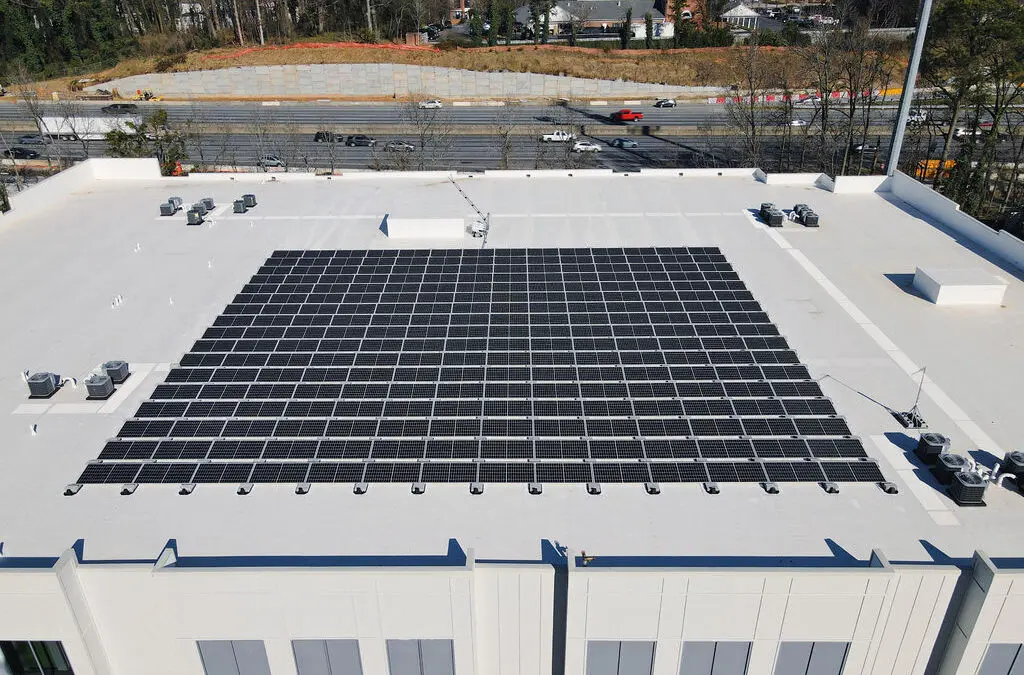
When businesses invest in solar energy, they’re not just buying panels—they’re securing decades of savings, stability, and sustainability. But achieving that promise requires one critical ingredient: consistent solar maintenance.
Like any long-term asset, solar panels need care to deliver peak results. By creating a reliable solar upkeep guide, businesses can ensure their commercial solar panels continue producing power efficiently while extending their lifespan.
This playbook explores everything from why maintenance matters to the best practices that protect long-term solar performance. Whether you’re a business owner, facility manager, or sustainability lead, this guide will help you keep your solar system care strategy on track.
Why Solar Maintenance Should Never Be an Afterthought
Skipping maintenance might save you time in the short run, but it cuts into your ROI and threatens your sustainability goals. Proactive solar maintenance delivers:
-
Consistently high solar panel efficiency.
-
Lower repair costs thanks to preventive action.
-
Fewer system downtimes that disrupt operations.
-
Extended lifespan for your commercial solar panels.
When companies invest in commercial solar installation, they expect steady returns. Protecting that investment through structured care is the only way to guarantee results.
The Lifecycle of Commercial Solar Panels
A solid solar upkeep guide starts with understanding how solar panels age over time.
-
Years 1–5: Panels deliver near-maximum efficiency with minimal intervention.
-
Years 5–10: Environmental factors begin reducing output, making preventive solar maintenance essential.
-
Years 10–20: Inverters and other components may need servicing or replacement.
-
Years 20–30+: Systems still generate energy, but long-term solar performance depends on consistent monitoring and part upgrades.
When viewed as a 25–30-year commitment, the importance of solar system care becomes undeniable.
Core Elements of Solar Maintenance
Regular Cleaning
Dirt, dust, and bird droppings reduce solar panel efficiency by blocking sunlight. Cleaning schedules vary depending on your region. For instance, panels in South Carolina solar installations face different conditions compared to those in solar in Georgia or Virginia solar installation.
Electrical Inspections
Loose connections or wiring faults can silently drain efficiency. Annual checks ensure your commercial solar panels remain reliable and safe.
Monitoring & Diagnostics
Modern systems come with real-time monitoring, which helps businesses identify small dips in output before they become costly failures.
Preventive Repairs
Addressing minor issues early—like inverter wear—prevents expensive emergency repairs later. That’s the essence of smart solar system care.
Reporting
Detailed records of inspections and cleanings make it easier to track trends, file warranty claims, and prove compliance with operational standards.
How Solar Maintenance Boosts Efficiency
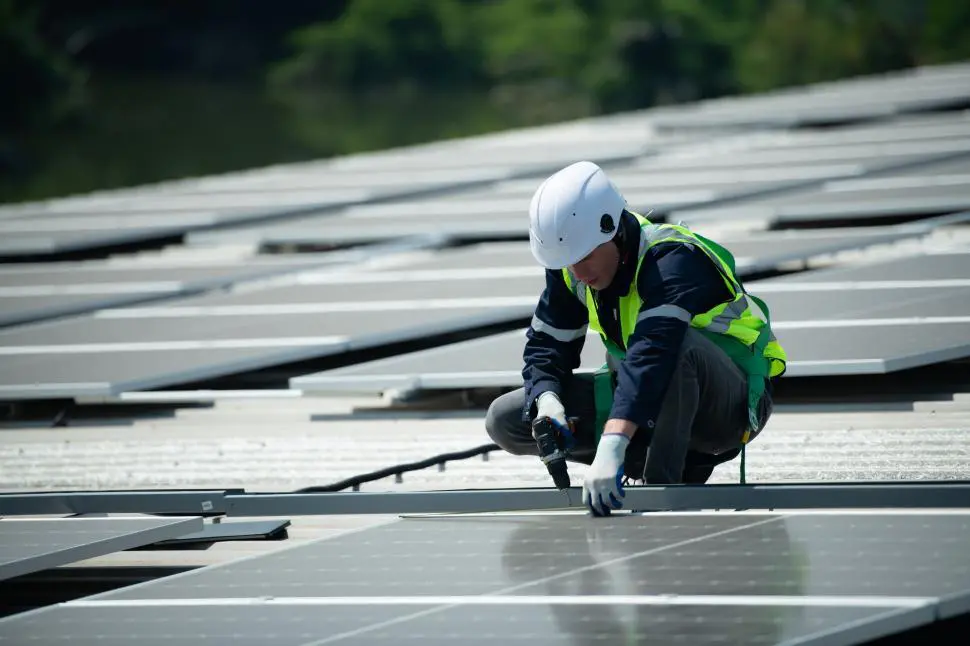
The biggest benefit of solar maintenance is keeping panels performing at their best. Routine care helps by:
-
Preventing buildup that blocks sunlight.
-
Ensuring inverters and batteries run smoothly.
-
Extending warranties and protecting long-term investments.
-
Safeguarding consistent long-term solar performance.
Without maintenance, efficiency can drop by 10–25%, which significantly impacts your ROI over decades.
Creating a Customized Solar Upkeep Guide
Every business has unique needs, so no two solar upkeep guides look the same.
-
A factory near coastal Virginia must prepare for salt exposure.
-
A distribution hub in Georgia might need frequent cleanings because of dust.
-
A corporate campus in South Carolina may focus on inverter monitoring due to humidity.
In short: your solar system care plan should reflect your environment. Companies operating across multiple states often design region-specific playbooks—one for South Carolina solar, one for solar in Georgia, and another for Virginia solar installation.
How Often Should You Service Panels?
Most experts recommend the following schedule for commercial solar panels:
-
Visual inspections: Twice a year.
-
Panel cleaning: 2–4 times per year, adjusted for location.
-
Inverter checks: Annually.
-
Performance reviews: Continuous monitoring.
Sticking to this timeline safeguards solar panel efficiency and reduces the chance of expensive failures.
Technology and Solar System Care
Technology has transformed solar maintenance.
-
Smart monitoring platforms give instant alerts when output drops.
-
AI-driven tools predict failures before they occur.
-
Drones now perform visual inspections on large solar farms.
-
Automated cleaning systems keep dust at bay without manual labor.
These innovations make maintaining commercial solar panels easier, more cost-effective, and more accurate than ever.
Common Challenges in Solar Maintenance
Even with the best care, challenges arise:
-
Weather: Storms can cause cracks, leaks, or debris buildup.
-
Soiling: Dust or pollen reduces solar panel efficiency if left untreated.
-
Aging inverters: Most require replacement after 10–15 years.
-
Neglect: Skipping inspections can cut years off your system’s life.
Anticipating these issues is what makes an effective solar upkeep guide.
The ROI Connection
When you install solar, ROI is usually the first metric that matters. What many overlook is how solar maintenance directly impacts returns.
-
Regular cleanings increase energy generation, boosting cost savings.
-
Preventive maintenance lowers repair bills, keeping budgets predictable.
-
Long-term solar performance extends system life, spreading costs across decades.
When you calculate ROI, always include the impact of solar system care—it’s the factor that ensures your investment keeps paying back.
Best Practices for Businesses
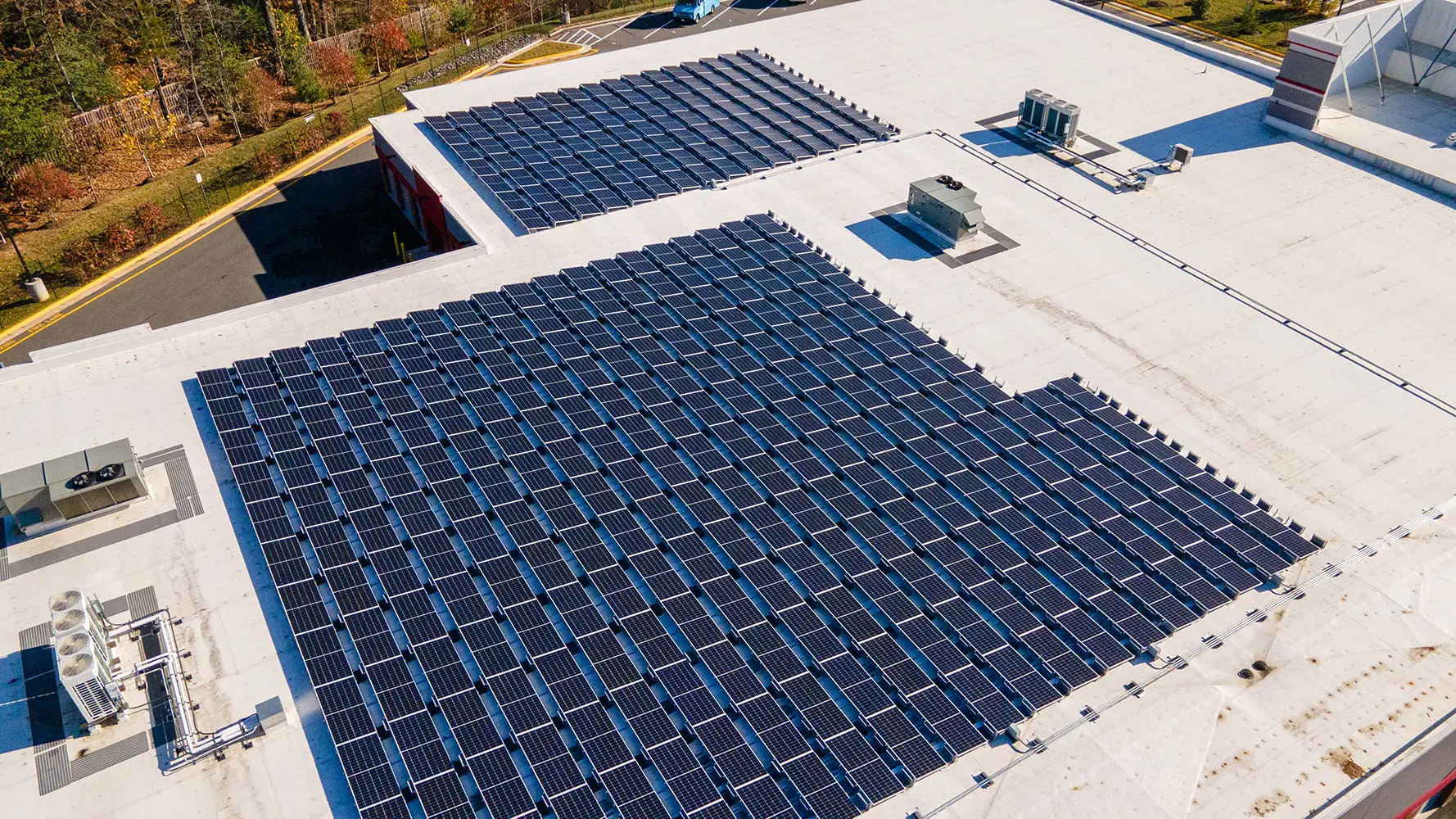
To simplify solar maintenance, businesses should:
-
Build a site-specific solar upkeep guide.
-
Train employees to spot warning signs.
-
Partner with certified professionals for inspections and repairs.
-
Integrate monitoring into facility management software.
-
Allocate annual budgets specifically for solar system care.
These steps create consistency, accountability, and peace of mind.
Why Professional Maintenance Partners Matter
While in-house teams can handle small tasks, partnering with professionals ensures the system stays in peak condition. Companies that provide commercial solar installation also bring expertise in long-term service, warranty management, and compliance.
Professional oversight doesn’t replace internal habits—it complements them. The combination ensures commercial solar panels remain productive for decades.
The Future of Solar Maintenance
As technology evolves, so will solar maintenance. Future trends include:
-
Sensors embedded directly into panels.
-
Predictive analytics that schedule repairs automatically.
-
Drone-assisted inspections for faster coverage.
-
Robotic cleaners for large-scale facilities.
These advancements will simplify solar system care and reduce long-term costs for businesses.
Conclusion: Building a Culture of Care
Solar isn’t a “set it and forget it” technology—it’s a decades-long commitment. Businesses that make solar maintenance part of their culture enjoy higher ROI, greater solar panel efficiency, and more reliable energy independence. From day-to-day cleanings to preventive inspections, everything in this solar upkeep guide points to one truth: solar only works as well as you maintain it.
By embedding consistent solar system care into your operations, your commercial solar panels won’t just work for the next quarter—they’ll power your business for the next 25 years and beyond. To learn more about professional solar solutions and how to protect your investment, visit Colite Technologies.