
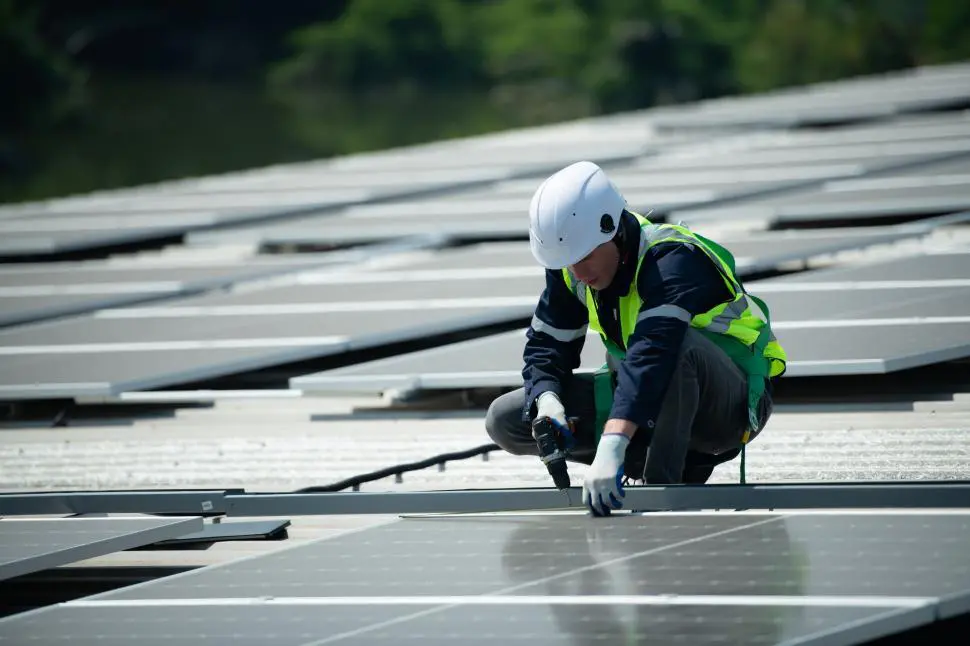
The solar industry in 2025 is more dynamic and profitable than ever. With federal incentives, state programs, and new financing models fueling adoption, solar companies have multiple ways to earn beyond standard installations. Whether you’re a seasoned contractor or a growing solar business, understanding Solar Revenue Streams is key to staying competitive, maximizing profitability, and scaling smartly.
At Colite Technologies, we’ve seen how diverse income sources help installers thrive — especially in rapidly expanding markets like South Carolina, Georgia, and Virginia. In this comprehensive guide, we’ll explore every major revenue opportunity solar professionals should focus on in 2025, plus actionable strategies to make the most of them.
Why Diversifying Solar Revenue Streams Matters
The solar market is maturing — and that means more competition. To maintain strong margins, installers need more than just standard panel sales. By building multiple Solar Revenue Streams, your company can weather market fluctuations, meet diverse customer needs, and tap into long-term profit centers.
Key benefits of diversifying:
-
Greater financial stability year-round.
-
Enhanced customer lifetime value.
-
Opportunities for recurring revenue through maintenance and upgrades.
-
Easier entry into new markets like storage, EV, and grid services.
Let’s explore how to capture these opportunities in 2025.
1. Commercial Solar Installation Contracts
Commercial projects remain one of the most consistent Solar Revenue Streams. Businesses are investing heavily in solar to reduce operating costs and achieve sustainability goals.
By positioning yourself as a trusted commercial installer, you can win large-scale contracts and long-term partnerships.
Opportunities include:
-
Warehouses and manufacturing facilities.
-
Retail centers and office complexes.
-
Municipal and school buildings.
Partnering with experts like Colite Technologies ensures that you deliver high-quality, efficient systems that meet both performance and financial goals.

2. Operations & Maintenance (O&M) Services
Once a system is installed, it requires regular upkeep to maintain efficiency. Offering O&M contracts creates predictable recurring income — one of the most valuable Solar Revenue Streams for 2025.
Typical O&M services include:
-
Performance monitoring.
-
Cleaning and inspections.
-
Inverter and wiring maintenance.
-
Panel replacements or upgrades.
This steady post-installation revenue also strengthens client relationships, opening doors for future upgrades or expansions.
3. Energy Storage Solutions
Battery systems are no longer optional — they’re essential. As grid reliability becomes a concern, businesses are looking to pair storage with their solar systems.
Offering solar installation opportunities that include batteries adds immediate value to every deal.
Benefits for installers:
-
Increased project revenue (typically 30–40% higher).
-
New markets in energy resilience and load management.
-
Opportunities to offer performance-based financing models.
Colite Technologies designs and integrates advanced battery systems across the Southeast, including South Carolina, Georgia, and Virginia.
4. EV Charging Infrastructure
Electric vehicle adoption is skyrocketing, and businesses need reliable charging stations to meet demand. Installing EV chargers complements solar perfectly and expands your Solar Revenue Streams.
Why it matters:
-
EV infrastructure projects often qualify for solar incentives 2025.
-
Great upsell for existing solar clients.
-
Cross-sector partnerships with auto dealers, municipalities, and logistics firms.
This dual-service approach positions your business as a complete clean energy solutions provider.
5. Solar Financing Partnerships
Many clients hesitate due to upfront costs. That’s where solar financing options come in — and they can be lucrative for installers.
By partnering with lenders or offering in-house financing, you can earn referral fees or interest-based income while making solar more accessible.
Popular models:
-
Power Purchase Agreements (PPAs).
-
Equipment leases.
-
Low-interest solar loans.
Incorporating financing into your business model drives solar business growth while making projects easier to close.
6. Performance Monitoring & Smart Analytics
Digital tools now allow installers to offer ongoing performance monitoring — another smart Solar Revenue Stream.
Businesses are willing to pay for insights that ensure maximum output and savings.
How to monetize:
-
Offer subscription-based monitoring plans.
-
Provide real-time dashboards and reporting.
-
Upsell energy optimization services based on data trends.
This approach builds recurring revenue while enhancing system performance and customer trust.
7. Tax Incentive Consultation Services
The policy landscape in 2025 is filled with opportunities — but many clients don’t know how to claim them. By providing tax and incentive guidance, you can add value and secure more deals.
Solar incentives 2025 include:
-
30% Federal Investment Tax Credit (ITC).
-
Bonus credits for domestic manufacturing and energy communities.
-
State-specific rebates and depreciation benefits.
Educating clients about incentives helps close deals faster — and you can charge consultation fees or bundle it as part of your premium service offering.

8. Power Purchase Agreements (PPAs)
For clients wary of large upfront costs, PPAs are a win-win. The installer owns and operates the system, while the client pays a fixed rate for electricity.
This long-term arrangement creates a dependable income stream.
Installer benefits:
-
Guaranteed monthly payments.
-
Potential to scale with large portfolios.
-
Predictable, contract-based revenue.
With more businesses choosing flexible financing, PPAs are becoming a top-tier Solar Revenue Stream in 2025.
9. System Upgrades and Repowering
Solar technology evolves quickly. Many systems installed 8–10 years ago are now due for upgrades — opening a huge market for repowering.
Upgrade services may include:
-
Replacing older inverters with high-efficiency models.
-
Expanding capacity with additional panels.
-
Integrating battery storage.
These projects are faster to close and deliver strong profit margins, making them one of the most reliable Solar Revenue Streams for growing installers.
10. Commercial Energy Efficiency Solutions
Pairing solar with commercial energy efficiency services can multiply savings and customer satisfaction. Businesses want comprehensive energy solutions, not just panels.
Add-on opportunities:
-
LED lighting retrofits.
-
Smart thermostats and automation systems.
-
HVAC optimization.
By positioning your company as a one-stop provider, you can significantly increase your solar installer profits while helping clients reduce total energy consumption.
11. Solar Carports and Canopies
Commercial parking lots are prime real estate for solar canopies — providing shade, energy generation, and aesthetic appeal.
Installer advantages:
-
Premium pricing per kW installed.
-
Increased project scope and visibility.
-
Opportunity to integrate EV chargers for additional revenue.
Solar carports are gaining traction across South Carolina and Georgia as property owners look for creative ways to use existing space.
12. Community and Shared Solar Projects
Community solar projects are booming, especially in regions with high utility rates and supportive legislation. They allow multiple subscribers — businesses, schools, or municipalities — to share one large solar installation.
Revenue advantages:
-
Shared construction and maintenance costs.
-
Subscription-based monthly income.
-
Expanded reach without multiple rooftops.
This is an excellent solar installation opportunity for developers seeking scalable business models.
13. Energy Audits and Consulting Services
Many commercial clients begin their solar journey by evaluating energy use. Offering professional audits adds credibility and generates an additional Solar Revenue Stream before installation even begins.
Consulting services may include:
-
Site assessments and shading analysis.
-
System design and financial modeling.
-
Feasibility and permitting support.
This expertise-first approach builds trust and positions your brand as a knowledgeable partner, not just a contractor.
14. Long-Term Maintenance Contracts
After installation, ongoing care keeps systems efficient and clients satisfied. Offering long-term service agreements ensures a recurring, predictable cash flow.
Examples:
-
Annual system tune-ups.
-
Inverter replacements and warranty management.
-
Remote monitoring and cleaning.
Bundling maintenance with installation strengthens relationships and improves retention — boosting solar business growth.
15. Partnerships with Developers and Contractors
Collaborating with construction firms, architects, and property developers unlocks a steady stream of large-scale solar projects.
Advantages:
-
Early involvement in design and planning.
-
Access to multiple projects through one partner.
-
Shared marketing and referral opportunities.
Strategic alliances like these expand your Solar Revenue Streams while minimizing acquisition costs.
16. Selling Carbon Credits and SRECs
Some regions allow businesses to sell the environmental benefits of their solar generation in the form of Solar Renewable Energy Certificates (SRECs) or carbon credits.
Installer opportunities:
-
Manage credit sales for clients as an add-on service.
-
Take a commission or percentage of each transaction.
-
Help clients meet sustainability reporting goals.
This additional offering strengthens long-term partnerships and diversifies revenue.
17. Government and Utility Partnerships
Municipal contracts and utility collaborations are emerging as highly stable Solar Revenue Streams. These projects often have larger budgets and longer timelines, providing consistent income for installers.
Examples include:
-
Utility-scale microgrid development.
-
School district energy programs.
-
Public infrastructure solar initiatives.
By engaging in these partnerships, your company gains credibility, recurring business, and industry visibility.

18. Training and Certification Programs
As solar grows, so does the demand for skilled labor. Installers with experience can monetize that expertise by offering workshops or certification training.
How it supports business growth:
-
Builds a new revenue source while training your future workforce.
-
Positions your brand as an industry leader.
-
Strengthens community and trade relationships.
Education-driven models are becoming one of the most innovative Solar Revenue Streams in the industry.
19. Solar Recycling and End-of-Life Services
Sustainability doesn’t end after installation. As older systems reach end-of-life, recycling services are emerging as profitable new Solar Revenue Streams.
Potential income sources:
-
Panel recycling and metal recovery.
-
Equipment resale or repurposing.
-
Safe disposal of outdated components.
This market is set to grow as more early-generation systems come offline in 2025 and beyond.
20. Referral and Affiliate Programs
Don’t overlook word-of-mouth marketing. Partner programs and client referrals can become powerful Solar Revenue Streams with minimal effort.
Offer incentives to previous clients or collaborators who bring in new business. These low-cost strategies help scale your pipeline without heavy marketing spend.
How to Prioritize the Most Profitable Solar Revenue Streams
Not every revenue channel will fit your company’s size or expertise. Focus on those that align with your existing capabilities and target markets.
Questions to ask yourself:
-
What services do my clients ask for most often?
-
Which add-ons deliver the highest margins?
-
Do I have the staff or partners to support new offerings?
A well-balanced mix of core services (like installation and maintenance) and emerging ones (like EV or storage) creates sustainable solar installer profits year after year.
Conclusion: Maximize Every Opportunity in 2025
As the clean energy industry continues to expand, so do the opportunities for forward-thinking installers. By tapping into these diverse Solar Revenue Streams, your business can capture long-term value, build customer loyalty, and outpace competitors in 2025 and beyond.
At Colite Technologies, we help solar professionals and businesses design, finance, and execute profitable energy projects across the Southeast — including South Carolina, Georgia, and Virginia.
Ready to elevate your business strategy and unlock new income opportunities? Visit Colite Technologies today and let’s build your next great solar success story together.