
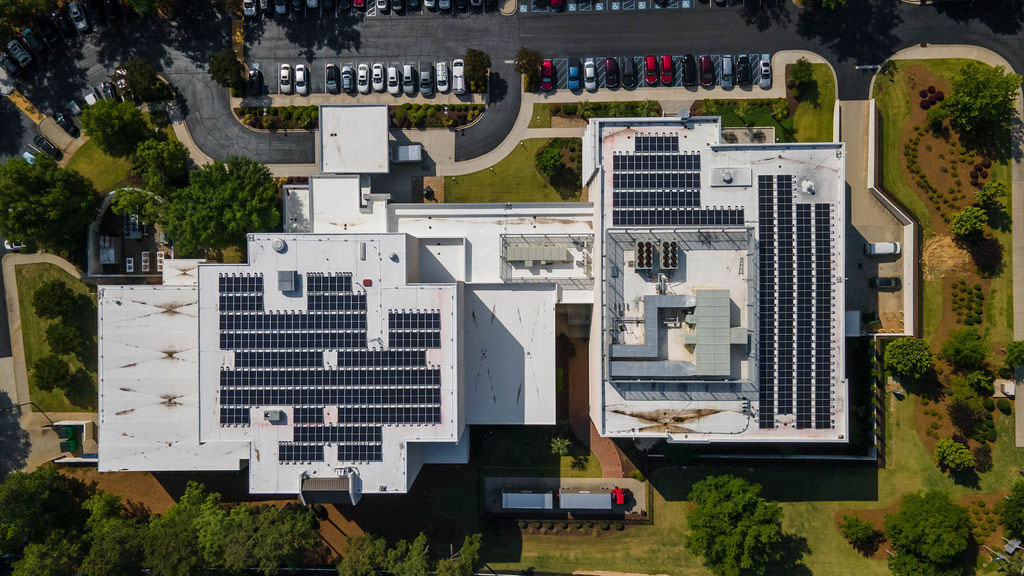
The Future of Renewable Energy is rapidly unfolding, reshaping how societies produce and consume electricity. By 2030, clean energy sources are set to dominate the global power grid, leaving fossil fuels behind as nations, businesses, and communities accelerate the shift toward sustainable solutions.
This transition isn’t just an environmental movement—it’s an economic and social transformation. From solar energy to advanced storage systems and smart grids, the global energy transition is unlocking a clean energy future that benefits everyone.
Why the Future of Renewable Energy Is Unstoppable
Driving Forces Behind the Global Energy Transition
The Future of Renewable Energy is secured by powerful forces already reshaping the world:
-
Economics: Renewable technologies like solar panels and wind turbines are now cheaper than fossil fuels in many regions.
-
Sustainability: Governments and corporations are committed to cutting emissions and promoting green energy growth.
-
Security: Producing clean power locally reduces dependence on foreign oil and gas.
This momentum shows that the Future of Renewable Energy is inevitable—and it’s coming faster than many realize.
The Role of Falling Technology Costs
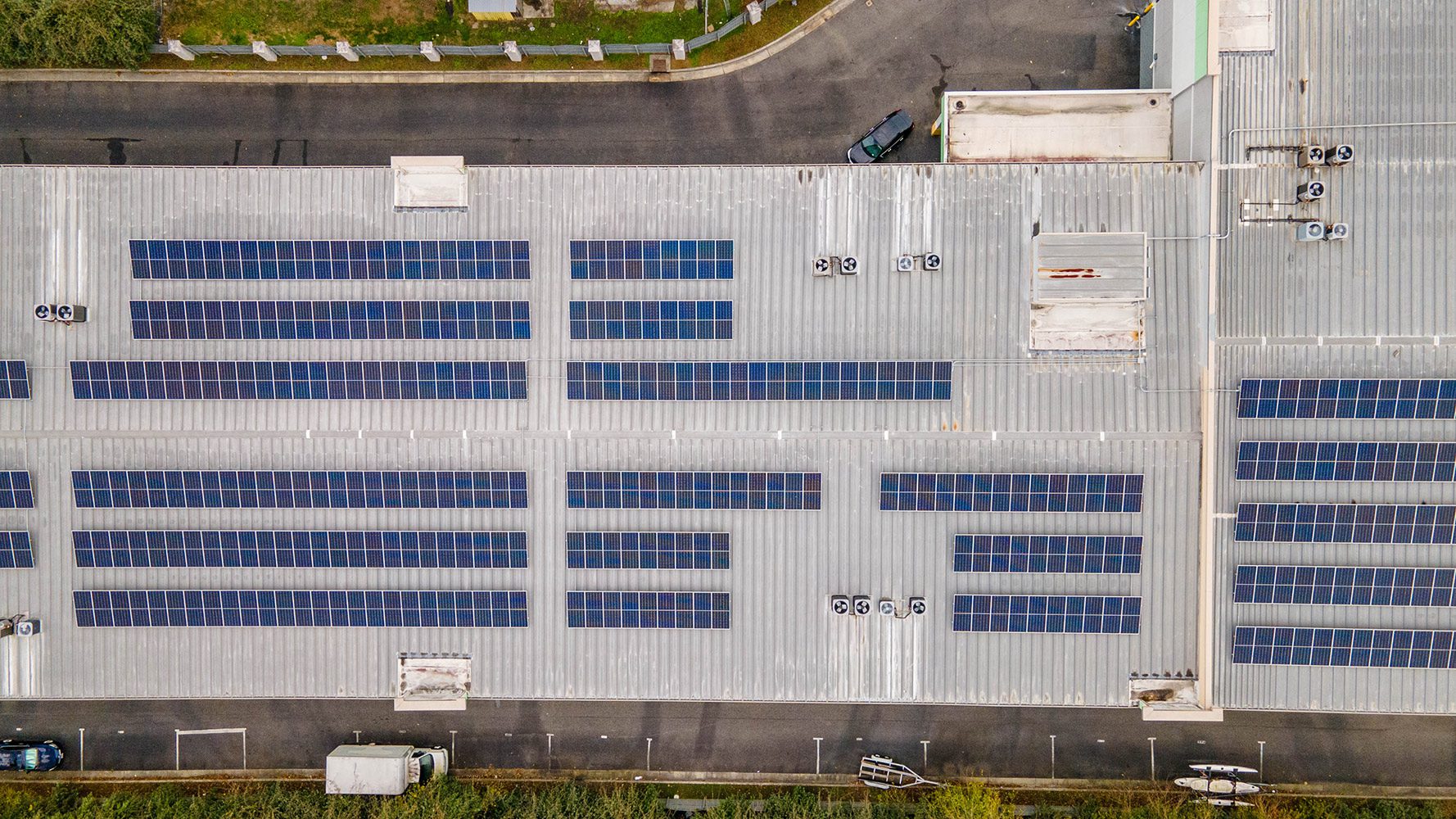
Solar panel prices have plummeted by nearly 90% in the last decade, while wind turbine efficiency has skyrocketed. By 2030, solar and wind energy are projected to outcompete fossil fuels almost everywhere. Businesses already tapping into renewables are proving how profitable the clean energy future can be.
Core Technologies Shaping the Future of Renewable Energy
Solar and Energy Storage at the Forefront
The backbone of the Future of Renewable Energy lies in solar and energy storage.
-
Solar Power: Whether through utility-scale solar farms or commercial rooftops, solar power is scaling globally. Companies like ColiteTech help organizations cut costs and strengthen sustainability through Commercial Solar Installation.
-
Battery Energy Storage: From lithium-ion to emerging solid-state batteries, storage ensures electricity reliability, even when the sun isn’t shining or the wind isn’t blowing.
Together, these technologies will dominate the additions to global power capacity by 2030.
Energy Storage: Solving Intermittency
The challenge of renewable intermittency is being solved by advanced storage systems.
Smarter Energy Grids
The Future of Renewable Energy will rely heavily on smart grids. Digital tools like AI will balance demand and supply, reduce waste, and even enable businesses to sell excess solar energy back to the grid.
Consumer and Corporate Demand
The push for renewables is also customer-driven. Business owners are turning to rooftop solar and sustainable Renewable Lighting options, while corporations sign large-scale renewable energy contracts to meet climate goals and reduce costs.
Renewable Energy Trends Defining the Future
The Future of Renewable Energy will be shaped by several emerging renewable energy trends:
-
Global decarbonization commitments from over 130 countries.
-
Electrification of transport, with EVs driving up clean power demand.
-
Green hydrogen development, offering solutions for heavy industry.
-
Microgrids and decentralization, allowing local communities to generate their own clean energy.
-
Corporate sustainability strategies, pushing businesses to adopt renewables for both savings and brand value.
Each of these trends highlights how deeply renewables are integrated into the clean energy future.

Business Benefits of Embracing Renewable Energy
For companies, the Future of Renewable Energy offers significant opportunities:
-
Cost savings: Solar and wind offer predictable, lower-cost electricity.
-
Resilience: Local generation improves security during grid disruptions.
-
Reputation: Embracing renewables demonstrates leadership and responsibility.
Forward-thinking companies are investing in Commercial Solar Installation to slash operating costs while turning sustainability into a competitive advantage. Others are enhancing efficiency with innovative Renewable Lighting solutions that cut energy waste while aligning with eco-conscious values.
What the Clean Energy Future Looks Like in 2030
By 2030, the Future of Renewable Energy will transform global electricity generation in dramatic ways:
-
70–80% of new electricity capacity will come from renewables.
-
Solar and wind energy will dominate power generation, supported by storage solutions.
-
Fossil fuel plants will decline as costs rise and regulations tighten.
-
Smart grids will connect communities, industries, and renewable farms seamlessly.
-
Consumers will actively participate in the energy market, using EVs, rooftop panels, and battery storage.
The clean energy future will redefine energy as decentralized, digital, and sustainable.
Challenges on the Road Ahead
Despite its rapid progress, the Future of Renewable Energy must overcome challenges:
-
Infrastructure upgrades: Expanding and modernizing power grids.
-
Policy alignment: Ensuring political will across global regions.
-
Supply chain resilience: Ensuring reliable access to solar panels, batteries, and turbines.
-
Community acceptance: Addressing concerns around land use and visual impact.
Yet the momentum of green energy growth is stronger than the obstacles. With continued innovation, these barriers will fall.
How We Can Build the Future of Renewable Energy Together
The Future of Renewable Energy is not just a prediction—it’s a necessity. By 2030, the global power grid will be transformed, dominated by clean, sustainable, and affordable energy solutions. From solar and wind energy to smarter grids and efficient storage, the foundation for a clean energy future is already in place.
We’re proud to lead this transition. Our expertise in Commercial Solar Installation and Renewable Lighting empowers businesses to thrive in a rapidly evolving energy landscape.