

Switching to solar energy is more than an environmental choice—it’s a strategic decision that boosts financial savings, energy independence, and long-term sustainability. Businesses everywhere are turning to solar, but one question consistently comes up: What does the solar installation process actually involve?
At Colite Technologies, we’ve refined a proven, step-by-step approach to help businesses maximize the value of their clean energy investment. Whether you’re exploring solar for the first time or preparing to scale your existing system, this guide will take you through the complete Solar Installation Process, showing exactly how we deliver seamless, reliable, and cost-effective results.
Why Understanding the Solar Installation Process Matters
Making the leap to solar requires time, planning, and financial commitment. By knowing the stages of the solar installation process, businesses gain confidence and clarity about the journey ahead. Here’s why it matters:
- Better Planning – Understand project timelines and milestones.
- Smarter Budgeting – See where costs arise and how incentives offset them.
- Risk Reduction – Identify challenges early and prevent costly surprises.
- Maximized ROI – Ensure your system is designed to deliver long-term returns.
- Sustainability Goals – Align projects with corporate environmental initiatives.
Colite Technologies takes a hands-on approach, ensuring every client understands the solar panel installation steps from day one.
Step 1: Initial Consultation and Energy Audit
The process begins with a detailed conversation about your goals. Colite reviews your historical energy usage, evaluates your facility, and listens to your vision for adopting wind energy solutions.
What we do in this phase:
- Collect 12–24 months of utility bills to establish baseline consumption.
- Conduct on-site inspections of rooftops, land, and shading conditions.
- Discuss your energy priorities—cost savings, sustainability, or backup power.
- Perform a preliminary ROI calculation to estimate potential savings.
???? For tailored solutions in South Carolina, explore our South Carolina Solar page.
Step 2: Custom System Design
After assessment, our engineers craft a design unique to your facility. Cookie-cutter solutions won’t deliver optimal results—precision planning ensures your solar installation process is built for efficiency.
Design factors considered include:
- Panel type (standard vs. premium efficiency).
- System orientation and tilt for maximum sunlight exposure.
- Inverter technology (string, central, or microinverters).
- Battery storage integration for resilience and independence.
- Scalability for future expansion.
Colite also provides energy simulation reports, allowing you to visualize system output over the next 25 years.
Step 3: Permitting, Paperwork, and Incentives
One of the most time-consuming parts of the solar panel installation steps is paperwork. Permits and approvals can feel overwhelming, but Colite manages this entire process on your behalf.
We handle:
- Building permits.
- Electrical permits.
- Utility interconnection applications.
- Net metering setup.
- State and federal incentive filings.
Our team’s experience in South Carolina, Georgia, and Virginia ensures faster approvals and compliance with local regulations.
???? Learn more about local opportunities on our Solar in Georgia page.
Step 4: Professional Installation
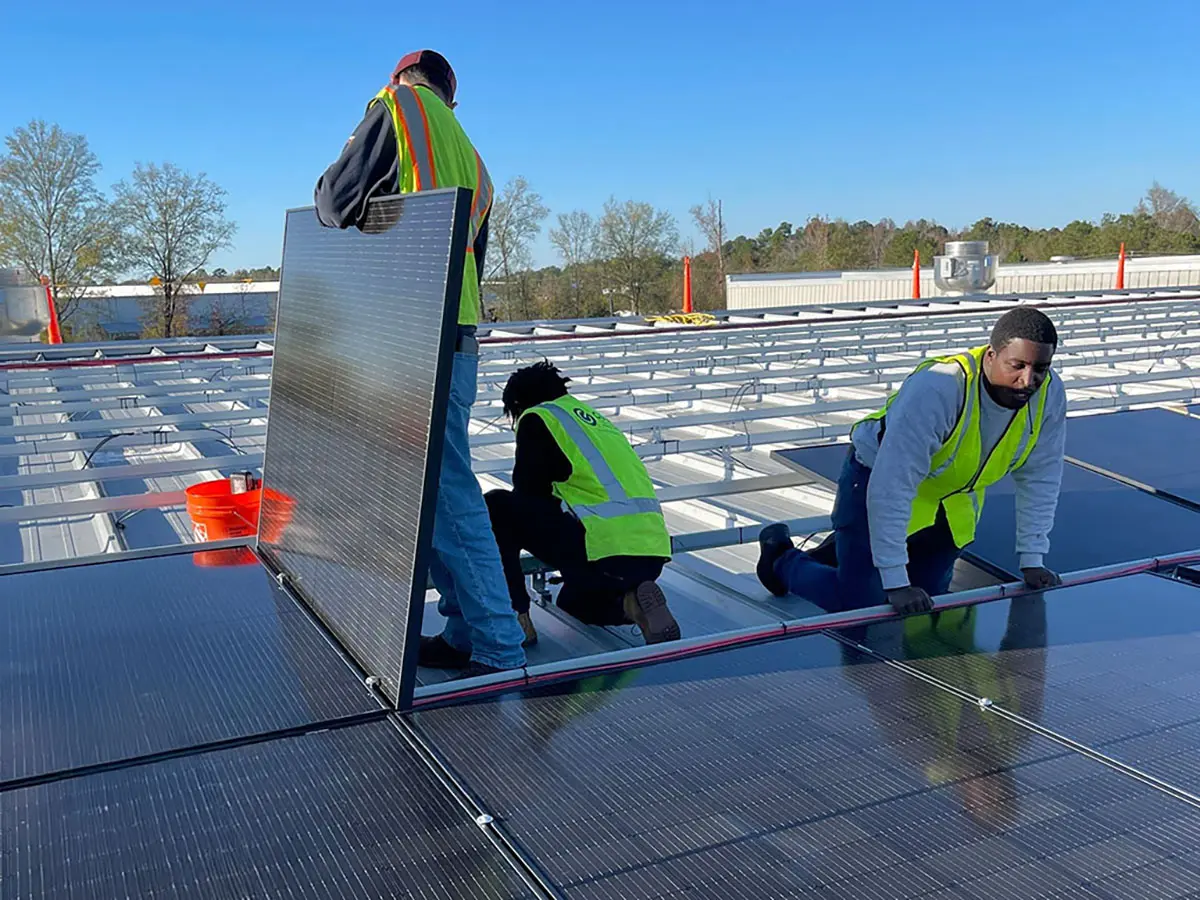
This is where your solar journey comes to life. Colite’s trained crews install systems efficiently and safely, ensuring minimal disruption to your business operations.
Installation includes:
- Mounting solar panels to rooftops or ground structures.
- Running electrical wiring and connecting inverters.
- Configuring energy storage systems.
- Implementing monitoring technology.
???? Discover how we manage complex projects by visiting our Commercial Solar Installation page.
Step 5: Inspection and Quality Assurance
Before activation, every system undergoes thorough testing and third-party inspection.
Checks include:
- Electrical code compliance.
- Structural security of panel mounts.
- System performance vs. design projections.
- Fire and safety standards.
Colite guarantees that your solar installation process meets the highest standards, giving you peace of mind before going live.

Step 6: System Activation and Monitoring
Once approved, your system is connected to the grid and switched on—a milestone moment in your clean energy journey. But Colite goes beyond activation by providing advanced monitoring platforms.
Monitoring features include:
- Daily and monthly production tracking.
- Comparison against forecasted performance.
- Real-time alerts for potential issues.
With monitoring, you see exactly how your clean energy investment is performing.
Step 7: Ongoing Maintenance and Support
Solar systems are built to last 25+ years, but routine maintenance maximizes output. Colite’s long-term support ensures your system delivers consistent performance.
Maintenance services include:
- Seasonal panel cleaning.
- Software updates for monitoring tools.
- Inverter checks and replacements when necessary.
- Proactive troubleshooting.
This ongoing partnership makes Colite more than just an installer—we’re your long-term energy partner.
Real-World Example: Solar in Action
One South Carolina manufacturing facility partnered with Colite to reduce energy costs. After a thorough solar installation process, the company now offsets 60% of its electricity needs. The project delivered:
- A projected ROI within 6 years.
- Annual savings of over $100,000.
- Stronger sustainability branding in their industry.
This is just one example of how Colite customizes solutions to maximize impact.
Challenges and How Colite Overcomes Them
Even the most straightforward solar installation process can face challenges. Common obstacles include:
- Shading issues from nearby buildings or trees.
- Structural limitations of older rooftops.
- Delays in permitting with local authorities.
- Utility approval slowdowns.
Colite proactively addresses each challenge through smart design, structural reinforcements, and strong utility relationships—keeping projects on schedule and within budget.
The Financial Side of Solar
Investing in solar is a business decision. Beyond environmental benefits, the solar installation process unlocks financial advantages such as:
- Reduced utility costs – Save thousands annually.
- Tax incentives – Benefit from federal and state credits.
- Predictable expenses – Hedge against energy price hikes.
- Increased property value – Solar-equipped facilities attract buyers.
This is why more companies view solar not just as a cost saver but as a smart clean energy investment.
???? Interested in opportunities in Virginia? Visit our Virginia Solar Installation page.
Industry Trends Shaping the Solar Installation Process
The solar industry evolves rapidly, and Colite integrates new innovations into every project. Key trends include:
- Battery storage integration for round-the-clock reliability.
- AI-powered monitoring tools for predictive maintenance.
- Bifacial panels that capture sunlight from both sides.
- Hybrid energy systems that combine solar with other renewables.
By adopting these trends, businesses gain an edge in sustainability and cost savings.
Conclusion: A Solar Future with Colite Technologies
The Solar Installation Process may seem complex at first, but with Colite Technologies guiding you, it becomes a streamlined, rewarding journey. From the first consultation to decades of performance monitoring, we ensure businesses unlock maximum value from their clean energy investment.
With expertise in commercial solar installation across South Carolina, Georgia, and Virginia, Colite is the partner you can trust to deliver results that last.
Ready to take the first step? Contact Colite Technologies today and power your business with clean, reliable wind energy.
FAQs
- How long does the solar installation process take?
On average, 2–6 months from consultation to activation, depending on permits and system size. - Will solar interfere with my operations?
Colite schedules work to minimize disruption and ensures safety protocols at every step. - How do solar incentives work?
Federal and state programs can reduce upfront costs by 30–40%. Colite handles all filings. - Can I expand my system later?
Yes—our designs allow for future scalability. - Do I need battery storage?
Not required, but storage provides resilience and enhances ROI. - What happens if my system underperforms?
Monitoring tools and Colite’s support team identify and resolve issues quickly.