
Manufacturing plants run on energy—lots of it. Between heavy machinery, automation systems, industrial equipment, lighting, HVAC, and continuous operations, facilities often face some of the highest electricity demands across commercial sectors. These costs eat directly into operating margins, especially as utility rates continue to rise across the U.S.
This is why Solar for Manufacturing Plants has become one of the most effective, proven strategies for long-term cost control. Manufacturers that switch to industrial solar energy gain more predictable operating expenses, reduced peak-load charges, and greater energy resilience—all essential advantages in today’s competitive landscape.
In this in-depth guide, we’ll explore how Solar for Manufacturing Plants works, why it’s ideally suited for high-load operations, and what facility managers should understand to maximize return on investment. We’ll also cover performance expectations, common misconceptions, design best practices, and how manufacturers in states like South Carolina, Georgia, and Virginia are integrating solar into their long-term energy strategies.
Why Solar for Manufacturing Plants Is Growing Rapidly
Manufacturing facilities are uniquely positioned to benefit from solar. Their high energy consumption, large roof space or adjacent land, and predictable daily load patterns make them ideal candidates for industrial-scale solar solutions.
Unlike low-load businesses, manufacturers experience intense, consistent electricity use that continues year-round. As a result, any reduction in utility usage translates into immediate and measurable savings.
Key Reasons Manufacturers Choose Solar
-
High and predictable energy demand makes offsetting costs easier.
-
Large roofs, parking lots, or open land allow significant system size flexibility.
-
High-load energy operations gain protection from rising utility rates.
-
Long equipment life cycles align well with long-term solar performance.
Simply put, adopting Solar for Manufacturing Plants reduces energy-related volatility—something every facility manager and operations leader understands all too well.

Understanding the Energy Profile of Manufacturing Facilities
Manufacturing facilities have some of the most complex and energy-intensive operations. They often operate 24/7, use heavy machinery, and require strict environmental controls to maintain production quality.
Typical High-Load Energy Operations Include:
-
CNC machines and heavy fabrication equipment
-
Conveyor systems and automation robotics
-
Large drying, curing, or heating equipment
-
Climate control systems for humidity-sensitive operations
-
High-intensity lighting in production zones
-
Large-scale refrigeration or cold storage
These systems do not merely raise energy demand—they shape how a facility consumes electricity hour by hour. Because peak demand charges can represent 30–60% of an industrial utility bill, the financial impact is significant.
This is why industrial solar energy has become such a powerful tool for manufacturing facilities. Solar production aligns with daytime peak loads, helping companies control one of their largest operational expenses.
How Solar for Manufacturing Plants Reduces Energy Costs
When implemented strategically, Solar for Manufacturing Plants can reduce annual electricity costs by 30–60%, depending on system size, local utility programs, and operational patterns.
Here’s how those savings happen:
1. Offset Daytime Electricity Usage
Manufacturing plants run their heaviest loads during the day—exactly when solar produces most of its energy. This ideal alignment helps maximize commercial solar savings.
2. Reduce Peak Demand Charges
For high-load facilities, demand charges can exceed the cost of electricity itself. Solar reduces the load drawn from the grid during peak hours, significantly lowering these fees.
3. Predictable Operational Costs
Utility rates fluctuate. Solar does not. Manufacturers gain stable, predictable costs for decades.
4. Long-Term Energy Control
Utility providers raise rates annually. Solar output stays consistent (95–90% after 25 years). This long-term stability is rare in industrial operations.
The Role of Solar in High-Load Energy Operations
Manufacturing plants with heavy demand cycles benefit uniquely from solar integration. Solar allows them to supplement grid power and reduce both spikes and sustained demand.
How High-Load Operations Benefit
-
Solar shaves operational peaks.
-
Facilities gain greater control over load distribution.
-
Energy storage (optional) helps support continuous production.
-
Solar supports power quality by stabilizing on-site generation.
The synergy between industrial processes and solar production is what makes Solar for Manufacturing Plants a strategic, long-term investment rather than just a cost-saving upgrade.
System Design Considerations for Factories and Manufacturing Plants
Designing solar solutions for factories requires a detailed understanding of production schedules, roof structure, shading, electrical infrastructure, and expansion plans.
Key Design Factors
1. Roof Condition and Load Capacity
Manufacturing roofs often support metal structures, heavy vents, and HVAC units. Structural analysis ensures safe and optimal solar placement.
2. Available Land
Many facilities choose ground-mounted arrays or solar carports to maximize production.
3. Load Profile Analysis
A detailed analysis of energy usage highlights:
-
When equipment draws the most power
-
How demand varies across processes
-
Which loads benefit most from offsetting
4. Electrical Infrastructure
Solar must integrate seamlessly with existing switchgear, transformers, and power distribution.
5. Future Expansion
Manufacturers often scale production over time. Solar should be designed with long-term flexibility in mind.

Best States for Manufacturing Facilities Going Solar
Manufacturers in the Southeast continue to embrace solar due to strong sunlight exposure, rising utility costs, and business-friendly programs.
Here are locations where Solar for Manufacturing Plants is growing quickly:
The Economic Impact of Solar for Manufacturing Plants
The economics behind solar adoption in industrial settings are compelling.
Lower Operating Costs
This is the most significant advantage. When solar offsets even a portion of industrial loads, companies experience immediate savings.
Reduced Production Risk
Energy expenses affect pricing, competitiveness, and contract stability. Solar adds predictability.
Lower Cost of Goods Sold (COGS)
For process-heavy operations, even small percentage changes in energy cost can significantly influence COGS.
Improved Long-Term ROI
A commercial system often achieves payback in 4–7 years, with benefits continuing for 25–30+ years.
Solar Solutions for Factories: What Options Do Manufacturers Have?
Manufacturers can adopt multiple solar strategies depending on facility layout and production needs.
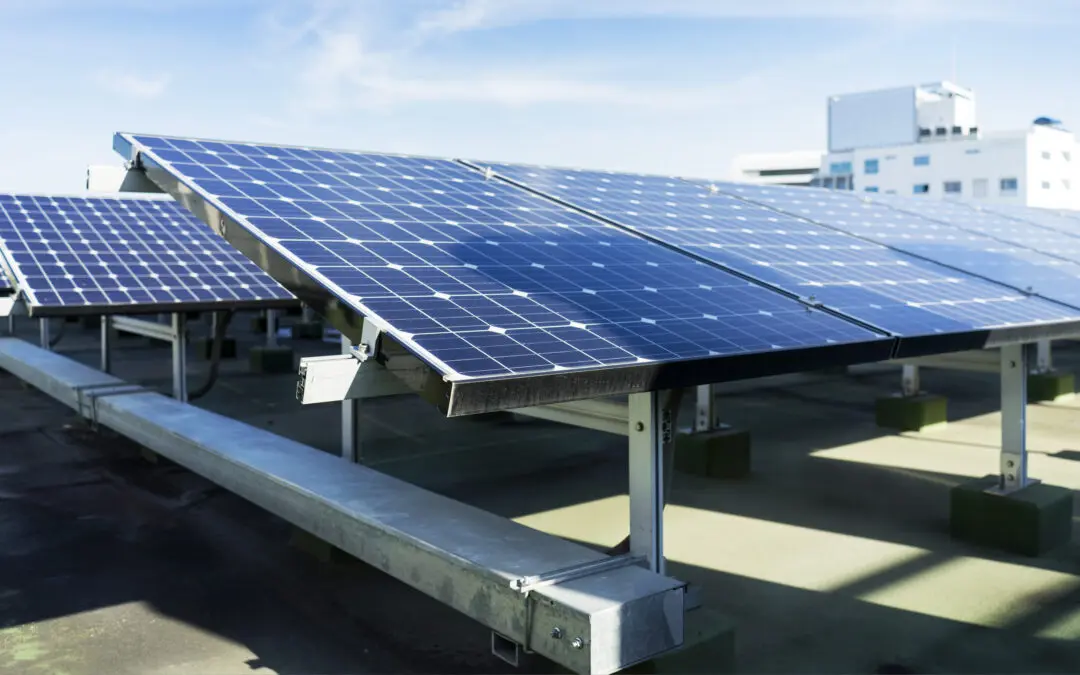
1. Roof-Mounted Solar Arrays
Great for large metal or flat roofs typical of manufacturing plants.
2. Ground-Mounted Systems
Ideal for facilities with adjacent land.
3. Solar Carports
Turn parking areas into power generation assets.
4. Hybrid Solar + Storage
Supports peak shaving, emergency loads, and overnight operations.
5. Multi-Building Integration
Large industrial campuses benefit from shared generation and interconnected systems.
Each option allows manufacturers to customize Solar for Manufacturing Plants based on site-specific needs.
Operational Benefits Beyond Cost Savings
Cost reduction is just the beginning. Solar also enhances operational stability.
Improved Power Quality
Solar helps reduce voltage fluctuations common in high-load operations.
Reduced Grid Dependence
This is crucial for plants located in areas prone to outages or grid instability.
Greater Production Reliability
Stable energy helps manufacturers:
-
Maintain equipment performance
-
Reduce downtime
-
Avoid process disruptions
Better Budget Predictability
Manufacturers can lock in energy costs for decades, which is rare in industrial operations.

How Industrial Solar Energy Supports Sustainable Growth
While the focus here is on economics and operations—not sustainability—many manufacturers find that solar strengthens stakeholder confidence, supports long-term competitiveness, and enhances corporate positioning.
Companies gain:
-
Stronger procurement standing for energy-conscious buyers
-
Greater confidence from long-term investors
-
Better compliance with global supply chain expectations
These benefits, combined with cost savings, make Solar for Manufacturing Plants a high-value long-term investment.
Commercial Solar Installation for Manufacturing Facilities
Solar for manufacturing plants can’t be approached with a one-size-fits-all mindset. Every facility has its own mix of equipment, energy peaks, and structural limitations, and the solar system has to be designed around these realities.
The process starts with a thorough evaluation of the plant—its roof strength, available land, shading patterns, and electrical layout. From there, engineers analyze energy usage down to the hour, identifying when high-load equipment runs, how different shifts affect demand, and where solar can deliver the biggest impact.
Because manufacturers depend on stable power for everything from conveyor belts to controlled environments, the solar system must be carefully tied into the plant’s electrical backbone. This includes designing for safety, voltage stability, and long-term reliability. Permitting and utility approvals are also more involved than standard commercial projects, requiring accurate documentation and long-term system planning.
In short, industrial solar involves detailed engineering, electrical expertise, and a deep understanding of manufacturing operations.
What Manufacturers Should Evaluate Before Installing Solar
Key Considerations
-
Current utility rate structure
-
Load distribution across shifts
-
Roof or land space
-
Age and type of roofing material
-
Structural load-bearing capacity
-
Shading analysis
-
Expansion plans
-
Utility interconnection requirements
Working with an experienced engineering team ensures your system meets long-term performance goals.
Common Misconceptions About Solar for Manufacturing Plants
“Solar can’t support heavy industrial loads.”
Solar doesn’t need to offset 100% of consumption to deliver significant savings.
“Manufacturing facilities don’t have enough roof space.”
Ground mounts and carports solve this easily.
“Solar interrupts production.”
Solar installation typically occurs without disrupting operations.
Case Example: A Typical High-Load Facility
A facility running welding systems, compressors, and continuous belt-driven machinery may pull 1–5 MW of power daily. Solar might offset 20–40% of this usage—leading to:
-
Lower peak demand charges
-
Reduced grid strain
-
Greater cost predictability
-
Improved long-term financial control
Even partial offset dramatically improves bottom-line results.
Key Takeaways for Manufacturing Leaders
Here’s what decision-makers should remember:
-
Solar for Manufacturing Plants delivers major savings for high-load operations.
-
Industrial solar energy aligns with daytime production cycles perfectly.
-
Manufacturing facility solar power increases reliability and cost predictability.
-
Solar solutions for factories offer long-term economic and operational advantages.
-
With proper engineering and installation, manufacturers see multi-decade benefits.
Conclusion: Solar for Manufacturing Plants Is a Strategic Business Decision
The future of industrial operations is clear: companies that control energy costs gain a competitive edge. Solar for Manufacturing Plants empowers manufacturers to reduce operating expenses, lessen exposure to rising utility rates, and stabilize long-term budgets—all while improving operational reliability.
If your manufacturing plant is ready to explore cost-saving solar strategies, Colite Technologies can help.