

For years, the federal solar Investment Tax Credit (ITC) has played a starring role in making solar energy more affordable for homeowners and businesses alike. But with the ITC gradually stepping down, many are left wondering: is solar still a smart move?
The short answer? Yes—and perhaps now more than ever.
One of the most overlooked yet powerful forces working in your favor is utility rate inflation. In this post, we’ll explore how rising electricity rates could actually strengthen your solar investment even after the ITC reduction. Plus, we’ll show you how to prepare, plan, and profit from solar—without depending on tax credits alone.
What Is Utility Rate Inflation?
Utility rate inflation refers to the steady increase in the price businesses pay for grid electricity over time. These rates often rise due to factors such as:
-
Aging infrastructure
-
Fuel price volatility
-
Regulatory changes
-
Grid modernization investments
According to the U.S. Energy Information Administration, average electricity prices have climbed significantly over the last decade—and that trend shows no signs of slowing.
For commercial solar users, this inflation isn’t just a challenge—it’s a strategic opportunity. Every increase in utility rates amplifies the value of each kilowatt-hour produced by your system, making solar an even more powerful hedge against long-term operating costs.

Why Rising Rates Make Solar Investment More Valuable
Every cent the grid charges you is a cent you could be saving with solar. The higher electricity costs climb, the more your solar investment offsets those expenses.
Here’s how it works:
-
You generate your own power from sunlight.
-
You consume less from the grid.
-
Each avoided kilowatt-hour becomes more valuable as rates rise.
This creates a growing return on investment, even if your solar system’s output remains constant.
The ITC Shift: What’s Changing?
The federal Investment Tax Credit (ITC) for solar installations has been one of the most generous incentives in clean energy. But it’s slowly being phased down.
Current Structure (as of 2025)
-
30% credit through 2032 (thanks to the Inflation Reduction Act)
-
Drops to 26% in 2033
-
Falls to 22% in 2034
-
Expires in 2035 (for most projects outside the commercial scope)
While commercial projects retain long-term advantages under the Investment Tax Credit (ITC), the most generous levels of support are gradually stepping down.
But here’s the good news: solar investment doesn’t begin and end with the ITC. In fact, utility rate inflation may actually boost the long-term value of your system, ensuring that your project remains financially attractive even as upfront credits decrease.
Learn more about our installation process and incentives at ColiteTech’s Solar Services.
Solar Pays You Back — Faster Than You Think
You’ve probably heard of a solar payback period. That’s the time it takes for your energy savings to cover the cost of your system. With electricity rates rising and tax incentives phasing down, many homeowners are surprised to find their solar investment pays for itself in 5 to 8 years—sometimes even sooner.
Let’s break it down:

So, while losing the ITC adds to your upfront cost, increasing electricity prices can speed up your long-term ROI.
The Compounding Effect of Utility Inflation on Solar Investment
Let’s illustrate how utility inflation can grow your returns over time.
Suppose:
-
Your electricity rate is $0.15/kWh today.
-
Utility inflation averages 4% annually.
-
Your solar system offsets 10,000 kWh/year.
In Year 1, you save $1,500. But by Year 10? You’re saving $2,220 per year, just because rates rose.
Multiply that by 25 years (a typical panel lifespan), and the value of your solar investment soars past expectations.
Solar as a Hedge Against Uncertainty
One reason people are turning to solar post-ITC is the financial certainty it brings.
Here’s what happens when you go solar:
-
You lock in a large portion of your energy costs.
-
You become less vulnerable to volatile rate hikes.
-
You stabilize your long-term household or business expenses.
Think of solar as an insurance policy—one that pays you back every month.
Explore how solar compares to utility energy in our Solar vs. Grid Power breakdown.
The Rise of TOU and Tiered Pricing: More Wins for Solar Users
Utilities across the U.S. are shifting toward time-of-use (TOU) and tiered pricing models.
These pricing structures charge you more during peak hours—right when solar panels tend to perform best. That makes your solar power even more valuable, especially if paired with battery storage.
With TOU pricing:
-
Use solar during peak = max savings
-
Export excess = higher compensation in some cases
-
Reduce need to pull from the grid = more independence
Whether you’re a homeowner or running a small business, this dynamic increases the ROI on your solar investment significantly.
What About Battery Storage?
Battery storage is the ultimate sidekick to your solar investment, especially in high-inflation utility zones.
Why?
-
It lets you store excess solar power during the day.
-
You can use it during expensive evening hours.
-
It provides backup power during outages.
With the ITC still covering batteries when paired with solar, now is the time to act.
Ask us about Colite Technologies’ battery solutions to make the most of your solar setup.
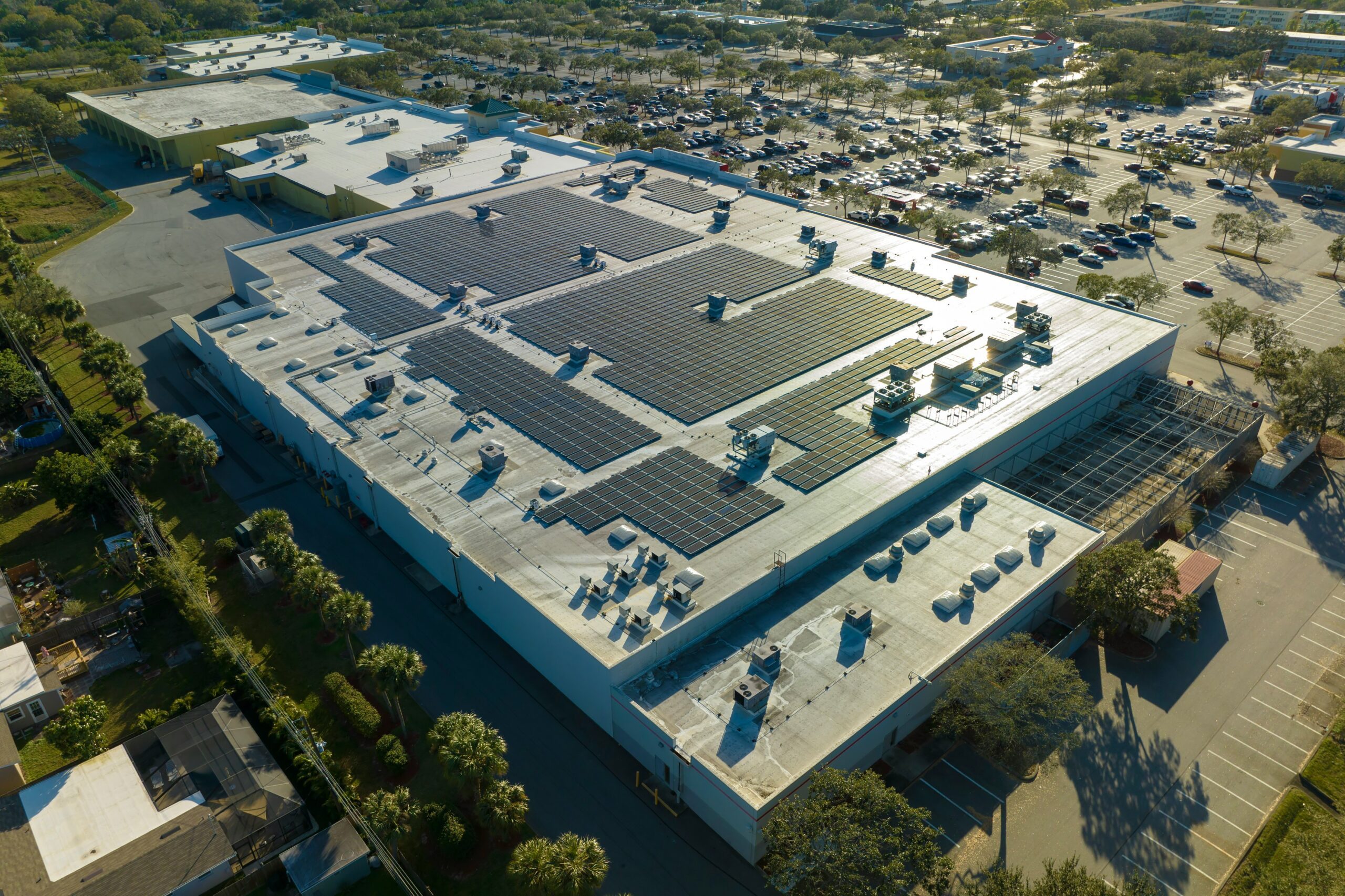
Commercial Solar Investments Are Also on the Rise
Utility rate inflation affects businesses just as much—sometimes more.
Commercial buildings often pay higher per-kWh rates and demand charges. Investing in solar helps businesses:
-
Offset high daytime usage
-
Reduce overhead costs
-
Improve sustainability metrics
For companies trying to boost ESG scores or attract eco-conscious customers, solar is a smart long-term play.
We support Commercial Solar Solutions that help enterprises protect their bottom line.
Local Incentives Still Make a Big Difference
While the federal ITC may phase down, local and state-level incentives remain strong.
These may include:
-
Net metering
-
Solar Renewable Energy Credits (SRECs)
-
Property tax exemptions
-
Low-interest financing or rebates
When paired with the natural hedge against inflation, your solar investment still packs plenty of financial punch.
Quick Checklist: Should You Go Solar Post-ITC?
Here’s a quick test. If you say “yes” to most of these, your timing is perfect:
✅ Your electricity bill is rising
✅ Your state offers net metering or solar rebates
✅ You plan to stay in your home for 5+ years
✅ You want protection from future utility hikes
✅ You’re looking for predictable energy costs
If that’s you, your solar investment still makes sense—with or without the ITC.
Real Example: A Solar Investment That Thrived Post-ITC
One of our clients installed solar panels in early 2024, right as the ITC began stepping down. At the time, they were hesitant—concerned they’d missed the “golden window.”
Fast forward to 2025, and their electricity rates have gone up by 9%. Meanwhile, their solar system is generating steady returns and has already shaved thousands off their annual bills.
Even without the full ITC, they’re now projecting a payback period of just under 7 years—thanks to rising grid prices.
Why Act Now?
Waiting for the next incentive could cost you more in rising rates than you’d save in rebates.
Here’s why now is the right time:
-
Utility rates are climbing
-
Solar prices are stable
-
Local incentives are still in play
-
Battery storage is covered by ITC
-
Clean energy boosts home value
Every month you delay is another month of paying the grid full price.
Solar Investment Still Shines After the ITC
The landscape may be shifting, but the case for solar remains strong. Rising electricity rates aren’t just a cost—they’re an opportunity. They supercharge the value of every kilowatt-hour your panels produce. Even with a reduced tax credit, your solar investment continues to pay you back—year after year.
Ready to take control of your energy costs? Schedule a free Energy Analysis to explore your solar options and start saving today.