

Introduction: Why the Future of Commercial Solar Matters
The Future of Commercial Solar in the U.S. is brighter than ever. Businesses across the country are recognizing that solar isn’t just an environmental choice—it’s a strategic investment that lowers energy costs, improves sustainability, and positions them for long-term resilience.
At Colite Technologies, we’ve seen firsthand how the commercial solar landscape has shifted. From policy incentives to advances in technology, the industry is at a turning point that will define energy use for decades to come.
This article explores the trends shaping the Future of Commercial Solar, the role of U.S. solar industry growth, and how your business can benefit from making the switch today.
The Current State of Commercial Solar in the U.S.
The U.S. has become one of the largest solar markets in the world, with commercial adoption playing a key role. Over the past decade, commercial solar adoption has accelerated thanks to lower panel costs, improved efficiency, and increasing corporate commitments to sustainability.
Key points about today’s market:
- Growth trajectory: The Solar Energy Industries Association (SEIA) reports consistent annual increases in commercial solar installations.
- Falling costs: Solar panel prices have dropped by nearly 70% over the past decade.
- Corporate demand: More businesses are integrating solar as part of broader clean energy transition strategies.
What makes the Future of Commercial Solar even more promising is the way these trends are converging—technology, policy, and economics are all aligning to make solar the clear choice for U.S. businesses.
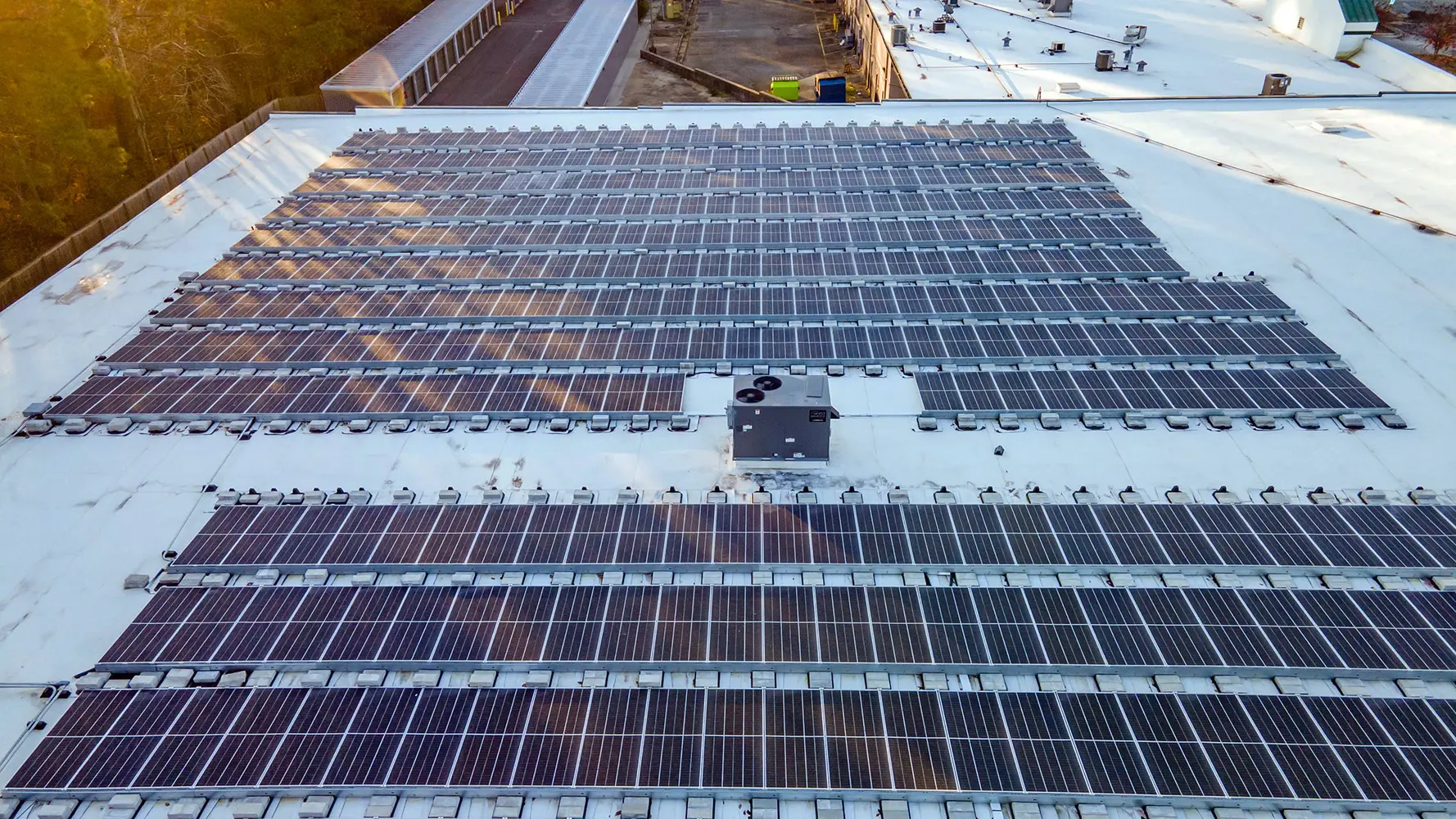
The Role of Renewable Energy Policies
The Future of Commercial Solar is closely tied to government action. Federal and state renewable energy policies are creating unprecedented opportunities for businesses.
Federal Support
- Investment Tax Credit (ITC): 30% ITC remains available if:
-
Your solar project starts construction before June 30, 2026
-
Or is placed in service before December 31, 2027
-
- Energy Community Bonus Still Applies: The 10% bonus for projects located in or benefiting energy communities (such as former coal towns) remains intact.
State-Level Incentives
- South Carolina, Georgia, and Virginia have introduced additional programs to encourage adoption.
- Many states offer net metering, allowing businesses to sell excess energy back to the grid.
Regulatory Momentum
Policymakers are aligning with national carbon reduction goals, making solar a pillar of U.S. energy strategy. Businesses that act early stand to gain the most.
???? Learn more about our Commercial Solar Installation services.
Driving Factors Behind U.S. Solar Industry Growth
Several forces are fueling U.S. solar industry growth, each contributing to a stronger outlook for the Future of Commercial Solar:
- Corporate ESG goals: Companies want measurable progress toward sustainability.
- Energy price volatility: Businesses are turning to solar as a hedge against unpredictable utility rates.
- Technological advancements: Panels, batteries, and smart inverters are more efficient than ever.
- Local partnerships: Providers like Colite Technologies offer region-specific expertise, from South Carolina to Georgia and Virginia.
- Corporate competitiveness: Businesses powered by renewable energy gain an advantage with eco-conscious consumers.
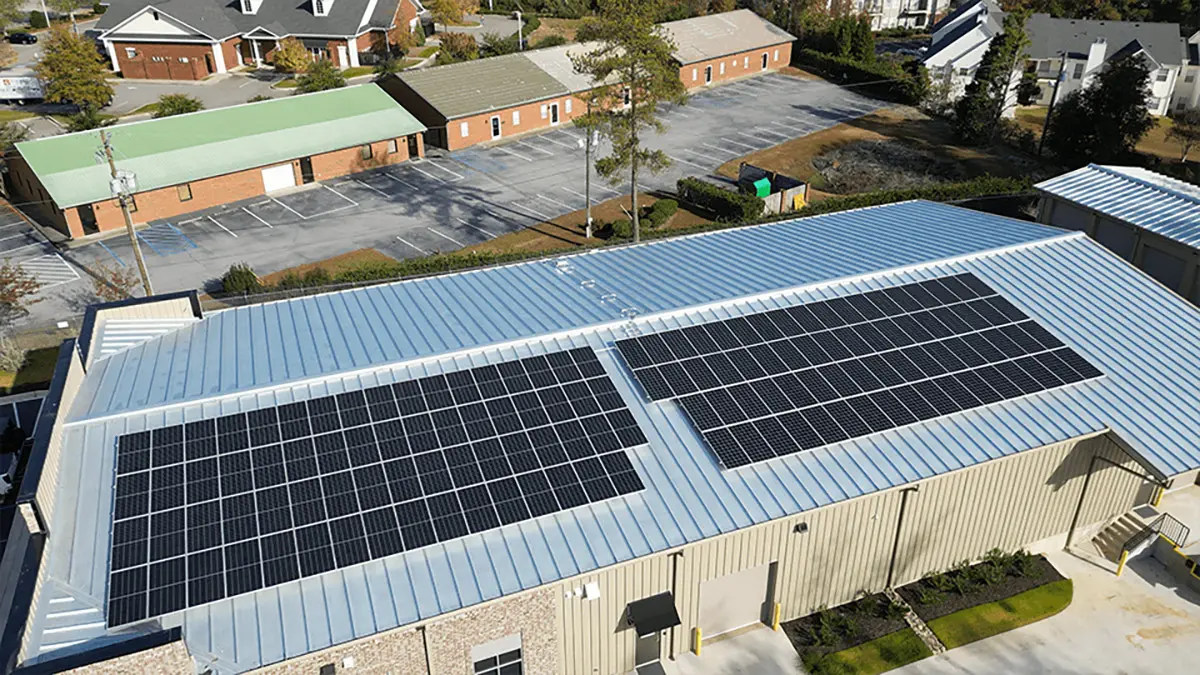
The Business Case: Why Commercial Solar Adoption Is Accelerating
The shift toward solar is no longer just about being environmentally responsible—it’s about financial returns.
Benefits for Businesses
- Lower operating costs: Solar power reduces long-term energy expenses.
- Energy independence: Battery storage solutions provide backup and stability.
- Brand value: Customers and stakeholders increasingly value sustainable practices.
- Incentive savings: With strong solar incentives for businesses, projects pay for themselves faster.
Real-World Example
A mid-sized manufacturing facility in South Carolina cut its utility bills by 45% within the first year of installing solar. With tax credits and depreciation benefits, the system paid for itself in under five years—illustrating why the Future of Commercial Solar is so compelling.
Solar Incentives for Businesses: Unlocking ROI
Financial incentives are a cornerstone of the Future of Commercial Solar. Businesses today can leverage:
- Federal ITC – Up to 30% tax credit on system costs.
- Accelerated depreciation (MACRS) – Allows businesses to recover costs quickly.
- State rebates and credits – Local governments sweeten the deal.
- Renewable energy credits (RECs) – Businesses can sell excess energy credits for added revenue.
These solar incentives for businesses not only reduce upfront costs but also ensure rapid ROI.
Financing Options for Commercial Solar
Even with incentives, upfront costs can seem daunting. The good news is, financing models make solar more accessible:
- Power Purchase Agreements (PPAs): Businesses pay only for the power generated, not the system itself.
- Leasing: Allows businesses to install solar without large capital outlay.
- Loans: Fixed payments spread costs while still delivering savings.
Flexible financing ensures the Future of Commercial Solar is accessible to organizations of all sizes.
How the Clean Energy Transition Is Reshaping the Market
The U.S. is undergoing a historic clean energy transition. Solar power now competes directly with fossil fuels, both in cost and reliability. Businesses are embracing solar to align with environmental goals and hedge against regulatory risks.
Key aspects of the transition:
- Grid modernization: Solar is critical to creating smarter, more resilient grids.
- Corporate leadership: Fortune 500 companies are setting ambitious net-zero targets.
- Global competitiveness: Businesses powered by clean energy are better positioned in international markets.
The Future of Commercial Solar will be central to achieving these shifts.
Challenges Facing the Future of Commercial Solar
While the outlook is strong, businesses should also understand the challenges:
- Supply chain volatility: Global shortages can affect panel availability.
- Policy uncertainty: Changes in administration may alter incentives.
- Workforce needs: Skilled labor is essential to meet rising demand.
- Grid integration: Large-scale solar requires ongoing infrastructure upgrades.
Colite Technologies helps clients navigate these hurdles, ensuring successful project outcomes.
Regional Spotlight: How Colite Technologies Supports Businesses
At Colite Technologies, we know that each region has unique opportunities and challenges.
- South Carolina Solar: Strong state-level support makes it a top market.
- Georgia Solar: A rapidly growing hub for solar-friendly policies.
- Virginia Solar Installation: Businesses benefit from favorable incentives and infrastructure upgrades.
By understanding these local dynamics, Colite ensures every project maximizes benefits while aligning with long-term business goals.
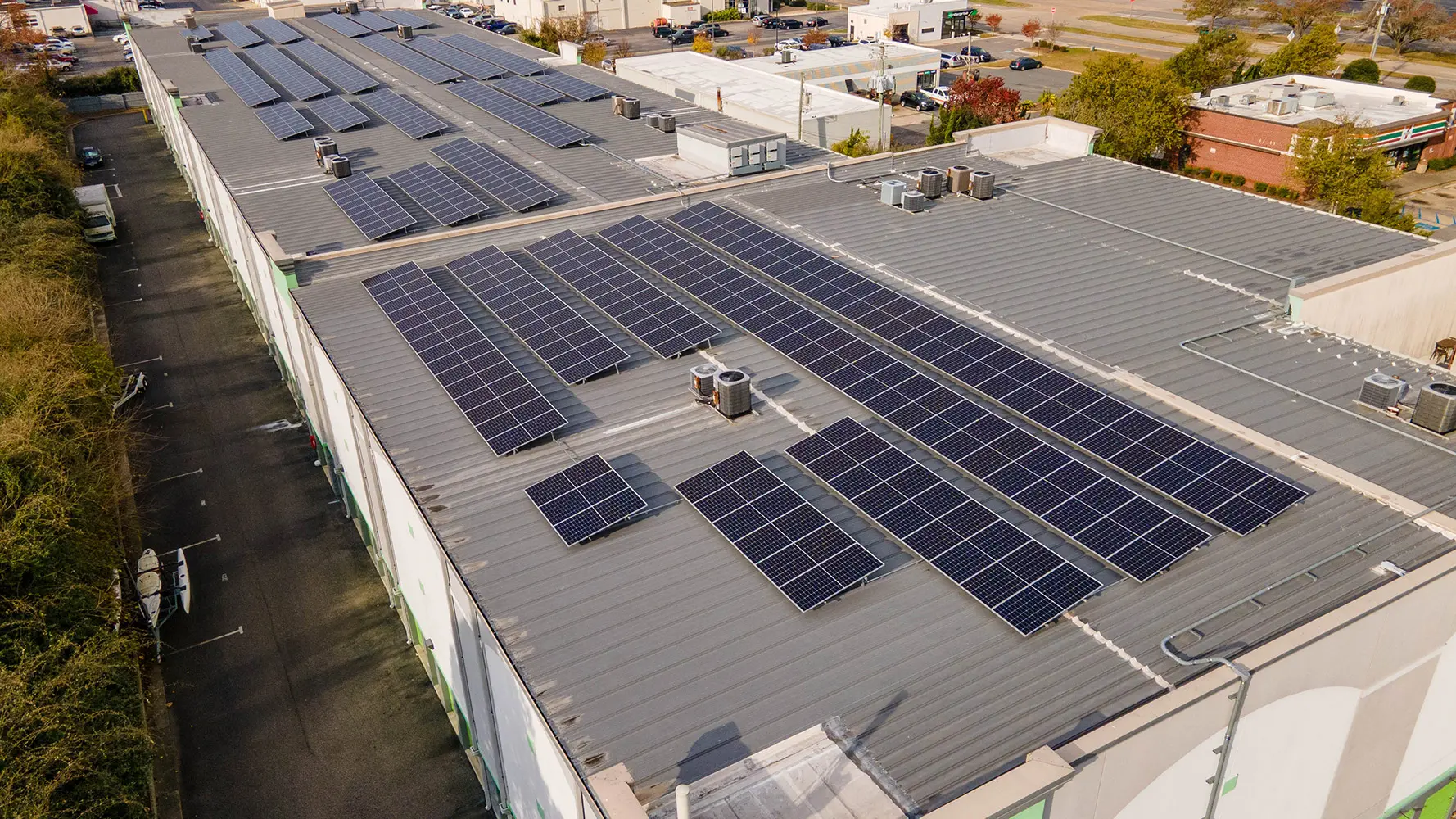
What the Future Holds for Commercial Solar
Looking ahead, the Future of Commercial Solar will be shaped by:
- Smarter technology: AI-driven energy management systems.
- Storage breakthroughs: Affordable batteries making 24/7 solar possible.
- Policy expansion: Increased support for clean energy nationwide.
- Wider adoption: From small businesses to global enterprises, solar will become standard.
Practical Steps for Businesses Considering Solar
If your business is evaluating solar, here’s a simple roadmap:
- Assess energy needs: Review current usage and future demand.
- Evaluate incentives: Identify available federal and state programs.
- Partner with experts: Work with a trusted provider like Colite Technologies.
- Design a system: Tailor solutions to facility size, budget, and goals.
- Install and monitor: Ensure long-term performance with professional support.
Case Study: Commercial Solar in Action
One logistics company in Georgia partnered with Colite Technologies for a 500kW solar project. The results:
- Annual savings: $120,000 in energy costs.
- Carbon reduction: Equivalent to planting 15,000 trees annually.
- ROI: Projected payback in under six years.
This is just one example of how the Future of Commercial Solar is already here—delivering results today.
Conclusion: Why Now Is the Time to Act
The Future of Commercial Solar in the U.S. is filled with opportunity. Falling costs, favorable renewable energy policies, and strong solar incentives for businesses make this the ideal time to invest.
Colite Technologies stands ready to help your business harness the power of solar—reducing costs, supporting sustainability, and preparing for the clean energy economy of tomorrow.
???? Explore our Commercial Solar Installation services today and take the first step toward your company’s solar future.
FAQs About the Future of Commercial Solar
- What is driving U.S. solar industry growth?
Declining technology costs, federal and state incentives, and corporate sustainability goals are the primary drivers. - How do solar incentives for businesses work?
They include federal tax credits, accelerated depreciation, state rebates, and renewable energy credits that lower costs and boost ROI. - Why is solar important for the clean energy transition?
Solar provides affordable, renewable power that reduces reliance on fossil fuels, supports grid resilience, and aligns with climate goals. - How can Colite Technologies help my business?
We design, install, and maintain solar projects across multiple states, ensuring businesses maximize ROI while advancing sustainability. - Is the Future of Commercial Solar sustainable long term?
Yes. With technological advances, strong policy support, and rising demand, solar is positioned to be a permanent solution for U.S. businesses.