
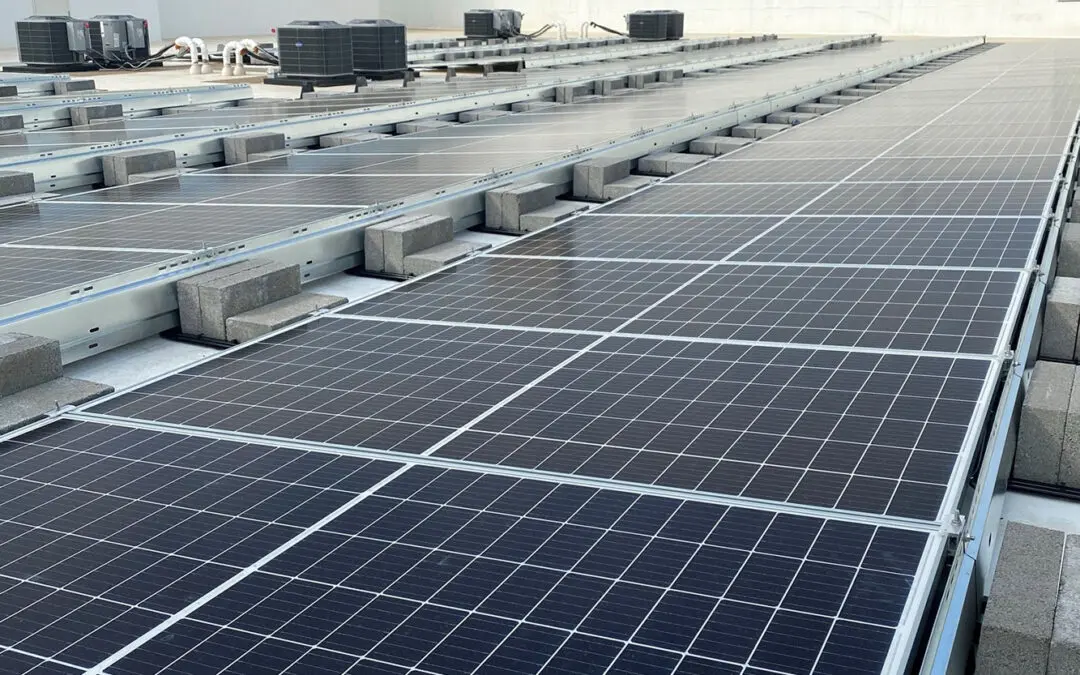
Solar System Monitoring has become a critical part of modern commercial solar operations. It goes far beyond simply tracking energy output—it turns system performance into meaningful insight that helps protect long-term investment value.
For commercial solar EPC providers like Colite Technologies, monitoring is a key layer in ensuring that every installed system continues performing at peak efficiency long after commissioning.
What Solar System Monitoring Really Does
Solar System Monitoring is the process of collecting, analyzing, and interpreting real-time and historical performance data from a solar energy system.
It helps operators understand:
- How much energy is being produced
- Whether the system is performing as expected
- Where inefficiencies may be occurring
- How environmental conditions are impacting output
The Core Data Behind Solar System Monitoring
Every monitored solar system relies on multiple data inputs working together.
Inverter Performance Data
Inverters act as the system’s communication hub, reporting:
- Power output levels
- Operating status
- Error alerts and fault codes
- Voltage and current behavior
This data is essential for identifying system health in real time.
Energy Meter Readings
Meters provide precise measurement of total energy production. This is used for:
- Verifying system performance
- Tracking financial returns
- Monitoring grid offset usage
Environmental and Weather Inputs
Solar output depends heavily on conditions like sunlight and temperature. Monitoring systems compare expected vs. actual production using:
- Solar irradiance
- Temperature shifts
- Cloud cover and shading impacts

What Solar System Monitoring Data Actually Means
The real value of Solar System Monitoring comes from interpreting patterns—not just collecting numbers.
Performance Efficiency
This measures how effectively the system converts available sunlight into usable electricity. Drops in efficiency may indicate:
- Dirty or shaded panels
- Equipment degradation
- Wiring or inverter issues
Production Trends Over Time
Monitoring platforms reveal long-term patterns such as:
- Seasonal performance changes
- Gradual system degradation
- Unexpected dips in energy output
System Alerts and Fault Detection
Modern monitoring systems automatically flag issues such as:
- Inverter shutdowns
- Communication failures
- Underperforming solar strings
This enables faster troubleshooting and reduced downtime.
Why Solar System Monitoring Matters for Commercial Projects
For large-scale solar installations, small performance changes can have major financial impacts.
Protecting Energy Revenue
Consistent monitoring ensures systems maintain expected output levels, protecting long-term ROI.
Reducing Operational Downtime
Early detection of issues helps prevent prolonged energy loss and expensive emergency repairs.
Extending System Lifespan
Continuous performance tracking helps identify stress points before they develop into long-term damage.
How Solar System Monitoring Supports Financial Performance Tracking
Solar System Monitoring isn’t just an operational tool—it also plays a major role in understanding the financial performance of a solar asset over time.
Verifying Expected vs. Actual Savings
Monitoring systems allow asset owners to compare projected savings against real-world performance. This helps confirm:
- Whether energy production aligns with financial models
- If utility offset goals are being met
- How seasonal changes impact cost savings
Strengthening Investor and Stakeholder Reporting
For commercial projects, clear reporting is essential. Solar System Monitoring provides data that supports:
- Monthly and annual performance reports
- ROI validation for investors
- Transparency for facility managers and stakeholders
Reducing Revenue Loss from Undetected Issues
Even small system inefficiencies can lead to long-term financial loss. Monitoring helps identify:
- Gradual production decline
- Persistent underperformance
- Hidden equipment faults affecting output
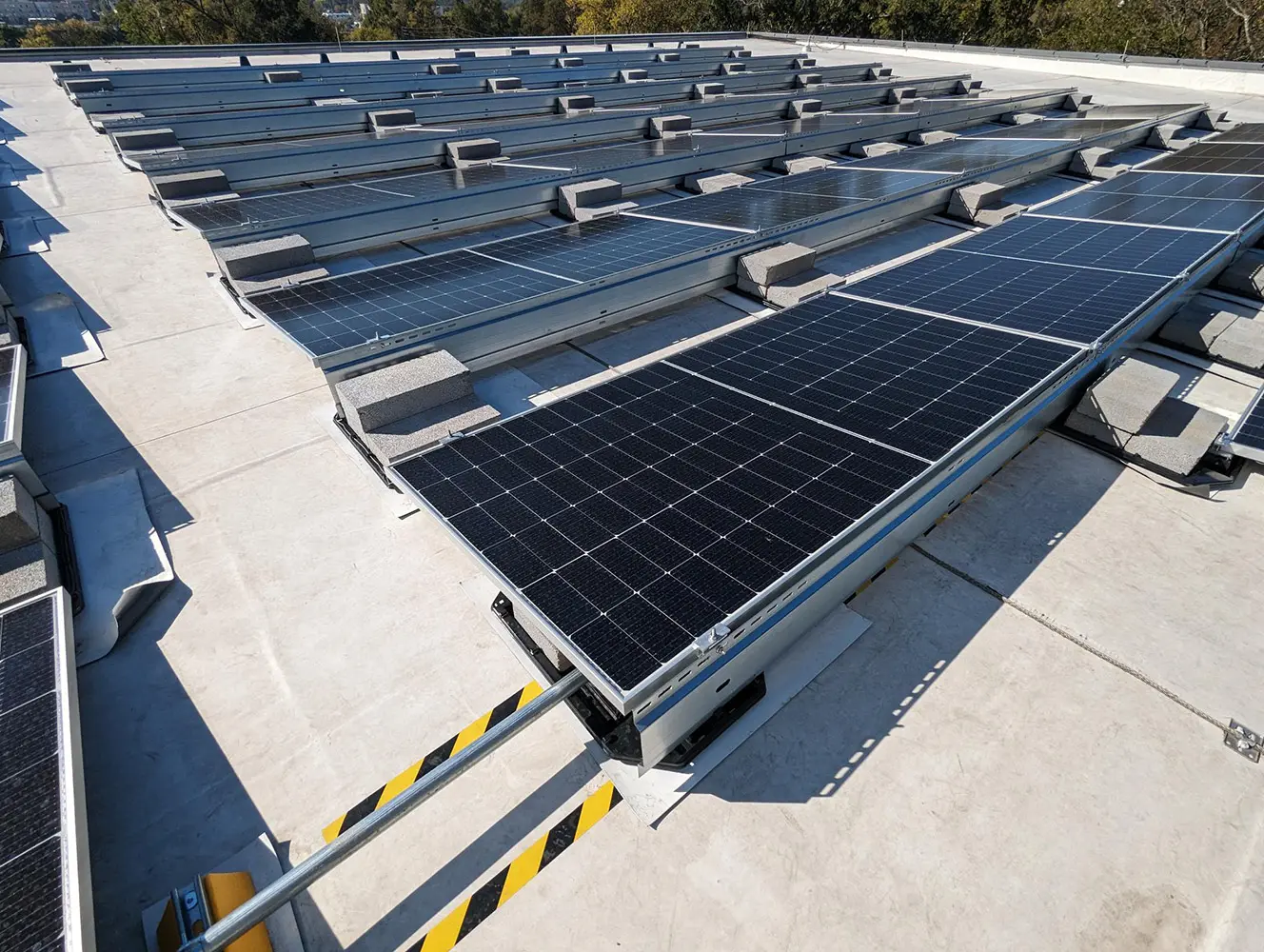
Turning Solar System Monitoring into Actionable Strategy
Data only becomes valuable when it leads to action.
Predictive Maintenance
Instead of reacting to failures, monitoring systems allow teams to:
- Schedule repairs proactively
- Identify performance drops early
- Reduce emergency service calls
Data-Driven Optimization
Advanced analytics compare:
- Expected vs. actual performance
- Weather-adjusted energy models
- Historical production trends
This helps optimize system efficiency over time.
The EPC Role in Solar System Monitoring
Effective Solar System Monitoring starts at design and installation.
At Colite Technologies, monitoring systems are integrated into project planning to ensure:
- Accurate performance tracking
- Reliable system communication
- Long-term visibility into asset health
- Faster issue detection and resolution
Choose Colite Technologies for Your Solar System Monitoring
Solar System Monitoring is more than a reporting tool—it is the intelligence system behind modern solar performance.
When properly implemented, it transforms raw data into clear operational insight, helping commercial solar assets stay efficient, reliable, and financially optimized over their entire lifespan.