
For many businesses, energy reliability and cost stability are no longer luxuries—they’re necessities. From manufacturing plants to corporate campuses, rising electricity rates and unpredictable grid conditions are driving companies to seek smarter, long-term energy strategies. That’s where Commercial Solar and Battery Storage comes in.
This powerful combination doesn’t just lower utility bills—it transforms the way your facility produces, stores, and manages power. Whether you’re tackling high peak-demand charges or looking for protection against outages, solar-plus-storage offers the ultimate business power solution.
We design integrated Commercial Solar and Battery Storage systems that deliver performance, efficiency, and resilience. In this guide, we’ll explain how these technologies work together, why they matter now more than ever, and how your facility can benefit.
What Is Commercial Solar and Battery Storage?
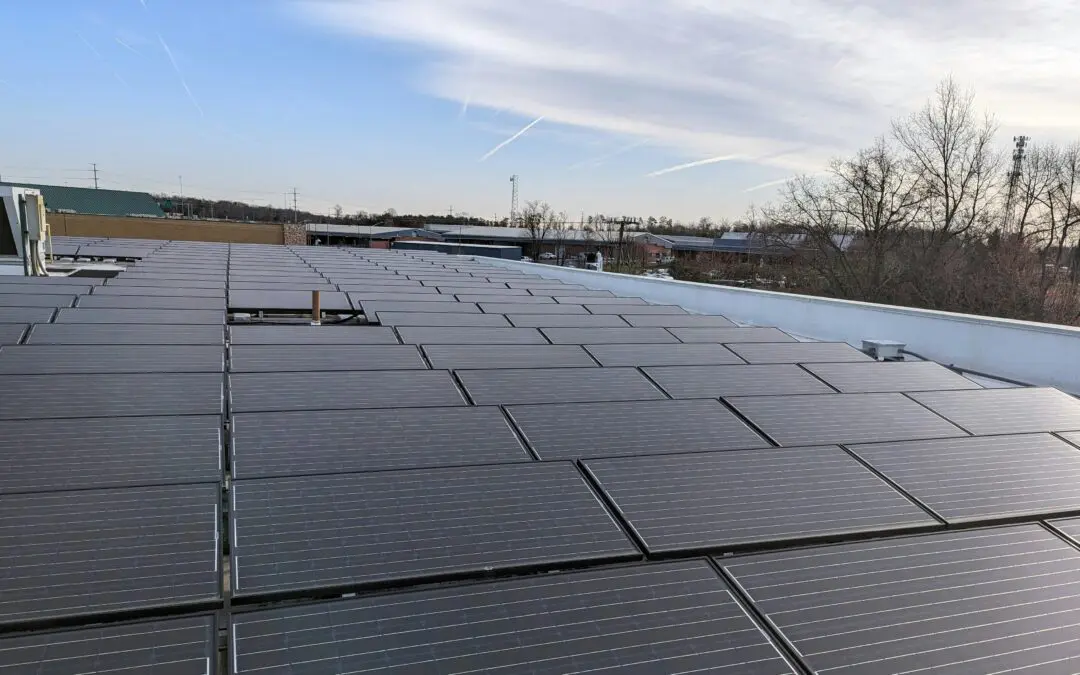
Commercial Solar and Battery Storage refers to the integration of photovoltaic (PV) solar systems with onsite energy storage solutions. The solar panels generate electricity during daylight hours, while the batteries store excess energy for later use.
Instead of relying entirely on the grid, businesses can draw power from their own solar-generated reserves—cutting energy costs and gaining independence from volatile utility prices.
Core Components Include:
- Solar Panels: Capture sunlight and convert it into electricity.
- Battery Storage Systems: Store surplus power for night-time or high-demand use.
- Inverters and Controllers: Manage energy flow between the solar system, battery, and grid.
- Monitoring Systems: Provide real-time insights into power production and consumption.
Together, these components form a closed-loop ecosystem that powers your facility efficiently and intelligently.

Why Businesses Are Turning to Solar and Storage
Energy resilience is fast becoming a core business priority. With extreme weather, power outages, and energy price spikes becoming more frequent, Commercial Solar and Battery Storage offers a strategic shield against risk.
Top Business Drivers:
- Rising Electricity Costs: Utility prices have climbed steadily across the Southeast, eroding operating margins.
- Grid Instability: Power interruptions can cause production losses and equipment damage.
- Sustainability Goals: Companies want to reduce carbon footprints while saving money.
- Incentive Opportunities: Federal and state programs make solar and storage projects more affordable than ever.
At its core, the move toward solar-plus-storage is about control—control over costs, reliability, and sustainability.
How Solar Energy Storage Works
Understanding the flow of power is key to appreciating the value of Commercial Solar and Battery Storage.
During the day, solar panels generate electricity to power your facility. When production exceeds consumption, the surplus energy is stored in batteries. Later—during peak hours, cloudy weather, or grid outages—the stored power can be discharged to maintain operations.
Key Benefits of Solar Energy Storage:
- Peak Shaving: Avoid costly demand charges during high-usage periods.
- Load Shifting: Use stored solar power when grid prices are highest.
- Backup Power: Keep critical systems running during outages.
- Energy Optimization: Improve overall facility energy management through smart control systems.
These capabilities make solar-plus-storage not just an energy source, but a comprehensive power management tool.
The Financial Advantage: Commercial Energy Savings
Implementing Commercial Solar and Battery Storage can drastically reduce electricity expenses. In many cases, businesses can cut annual energy costs by 40–60%, depending on system size and load profile.
Example Breakdown:
- Energy Offset: Solar generation covers 60–70% of daytime usage.
- Peak Reduction: Batteries eliminate high-demand utility charges.
- Tax Incentives: Businesses can claim the 30% Federal Investment Tax Credit (ITC).
- Depreciation Benefits: Eligible under the Modified Accelerated Cost-Recovery System (MACRS).
Over time, these combined benefits create consistent commercial energy savings while boosting your facility’s operational resilience.
For businesses exploring installation options, our Commercial Solar Installation page provides detailed insights into system design and return on investment.
Business Power Solutions That Scale
Every business has unique energy demands, which is why scalability is at the heart of Commercial Solar and Battery Storage. Systems can be designed to power a single facility—or scaled across multiple locations for enterprise-wide efficiency.
Examples of Applications:
- Manufacturing Plants: Manage heavy machinery and shift-based energy usage.
- Distribution Centers: Keep logistics running 24/7 during outages.
- Educational Campuses: Reduce operational costs and support sustainability goals.
- Healthcare Facilities: Ensure uninterrupted power for critical systems.
When properly integrated, solar backup systems provide both immediate energy reliability and long-term cost stability.

Regional Opportunities for Solar and Storage
The Southeastern U.S. is one of the best regions in the country for Commercial Solar and Battery Storage thanks to favorable sunlight conditions, local incentives, and supportive policy frameworks.
South Carolina
Businesses can take advantage of property tax exemptions and strong state-level incentives. Learn more about local opportunities on our South Carolina Solar page.
Georgia
Known for its fast-growing solar market, Georgia offers competitive energy rates and flexible financing options. Visit Solar in Georgia to see regional case studies.
Virginia
As corporate energy demand rises, Virginia’s commercial sector benefits from expanding interconnection programs and performance incentives. Explore details at Virginia Solar Installation.
Each state offers a distinct pathway toward energy independence and long-term business power solutions.
The Role of Battery Storage in Energy Independence
While solar power covers daytime energy needs, batteries complete the picture by supplying power around the clock. For facilities that operate beyond daylight hours—or those sensitive to downtime—this reliability is essential.
Benefits of Adding Battery Storage:
- Grid Independence: Maintain power even during outages.
- Reduced Demand Charges: Avoid utility surcharges for high consumption periods.
- Power Continuity: Keep lighting, servers, and essential equipment operational.
- Improved ROI: Maximize value from your existing solar investment.
By pairing solar with advanced battery systems, businesses gain true control over their energy destiny.
Smart Facility Energy Management
Beyond cost savings, Commercial Solar and Battery Storage systems contribute to smarter facility energy management. Modern platforms allow facility managers to view production, usage, and storage levels in real time, enabling data-driven decisions.
Key Monitoring Features:
- Load Forecasting: Predict and plan energy usage patterns.
- Performance Analytics: Identify underperforming assets.
- Automated Controls: Shift loads based on price signals or time of day.
- Environmental Reporting: Track carbon reductions for ESG goals.
These tools help businesses continuously optimize performance and efficiency across all operations.
Designing a Commercial Solar and Battery Storage System
A successful installation begins with thorough solar project planning. At Colite Technologies, our engineers consider every factor that influences system performance—from roof structure to load profiles.
Steps in System Design:
- Energy Audit: Assess current energy consumption and patterns.
- Feasibility Study: Evaluate available space and system potential.
- System Sizing: Determine the right balance between solar and battery capacity.
- Financial Modeling: Calculate ROI, payback, and long-term savings.
- Installation & Commissioning: Integrate with minimal business disruption.
Visit our Commercial Solar Installation page for a complete look at our design and implementation process.

Overcoming Common Challenges
While the benefits are clear, successful deployment requires attention to detail.
Common Obstacles and Solutions
- Upfront Costs: Utilize financing or power purchase agreements (PPAs) to avoid large initial payments.
- Space Constraints: Rooftop and canopy systems maximize available real estate.
- Maintenance Concerns: Professional servicing ensures system longevity and warranty protection.
- Utility Coordination: Partner with experienced providers familiar with grid interconnection processes.
Colite Technologies helps clients navigate these challenges through transparent guidance, strategic design, and ongoing technical support.
Maintenance and Performance Optimization
Once installed, keeping your system performing at peak capacity requires minimal but consistent attention.
Best Practices for System Maintenance:
- Conduct quarterly performance reviews.
- Keep panels clean and free from debris.
- Monitor inverter health and battery state-of-charge.
- Schedule preventive maintenance for connectors and switches.
Proper upkeep maximizes uptime and ensures that Commercial Solar and Battery Storage continues to deliver value for decades.
The Resilience Factor: Power When You Need It Most
One of the most significant benefits of solar-plus-storage systems is resilience. When the grid goes down, solar backup systems instantly kick in, maintaining power for critical operations.
For industries like manufacturing, healthcare, and logistics, downtime isn’t just inconvenient—it’s costly. A reliable backup system prevents production losses, protects sensitive equipment, and ensures safety during unexpected outages.
With extreme weather events becoming more common, energy independence is no longer optional—it’s a strategic investment in business continuity.
Real-World Example: Energy Resilience in Action
A distribution facility in Georgia installed a 750 kW solar array paired with a 1 MWh battery system. The result?
- Energy cost savings: Over $120,000 annually.
- Outage protection: 12-hour backup for lighting and refrigeration.
- ROI: Full payback in 6 years.
The integration of Commercial Solar and Battery Storage not only stabilized the company’s energy expenses but also safeguarded operations during grid failures.
The Future of Business Power Solutions
In the next decade, Commercial Solar and Battery Storage will become the standard for forward-thinking enterprises. As technology evolves, battery prices will continue to drop, while efficiency and storage capacity rise.
Emerging trends include:
- AI-Driven Energy Management: Predictive load balancing and automated decision-making.
- Virtual Power Plants (VPPs): Connecting multiple facilities to share stored energy.
- Second-Life Batteries: Repurposing EV batteries for cost-effective storage.
These innovations make now the perfect time to adopt solar and storage technology.
Final Thoughts: The Smart Path to Energy Independence
The future of business energy is here—and it’s powered by Commercial Solar and Battery Storage. From lowering utility costs to enhancing resilience and sustainability, this integrated approach gives companies a competitive edge in an unpredictable energy landscape.
At Colite Technologies, we specialize in designing, installing, and maintaining advanced solar and storage systems tailored to each facility’s needs. Whether your business is in South Carolina, Georgia, or Virginia, we’ll help you unlock energy independence and long-term savings.
Ready to take control of your energy future? Visit Colite Technologies today to schedule your consultation and discover how solar-plus-storage can transform your facility.