

Commercial Solar for Agricultural Operations is becoming a practical solution for farms dealing with rising electricity costs and unpredictable utility rates. Instead of relying solely on the grid, many farm owners are shifting toward on-site energy generation to improve long-term financial stability.
Agriculture is highly energy-dependent, especially for irrigation, refrigeration, livestock systems, and processing equipment. As these demands grow, solar offers a way to take control of operating expenses while improving resilience against market fluctuations.
Commercial Solar for Agricultural Operations is no longer just a sustainability upgrade—it’s a strategic financial decision. Farms that adopt solar today position themselves for lower operating costs, stronger resilience, and more predictable long-term energy planning.
Key Benefits of Solar for Agricultural Operations
Lower Energy Costs Over Time
One of the biggest advantages of Commercial Solar for Agricultural Operations is the ability to significantly reduce long-term electricity expenses through self-generation.
Use of Existing Land and Structures
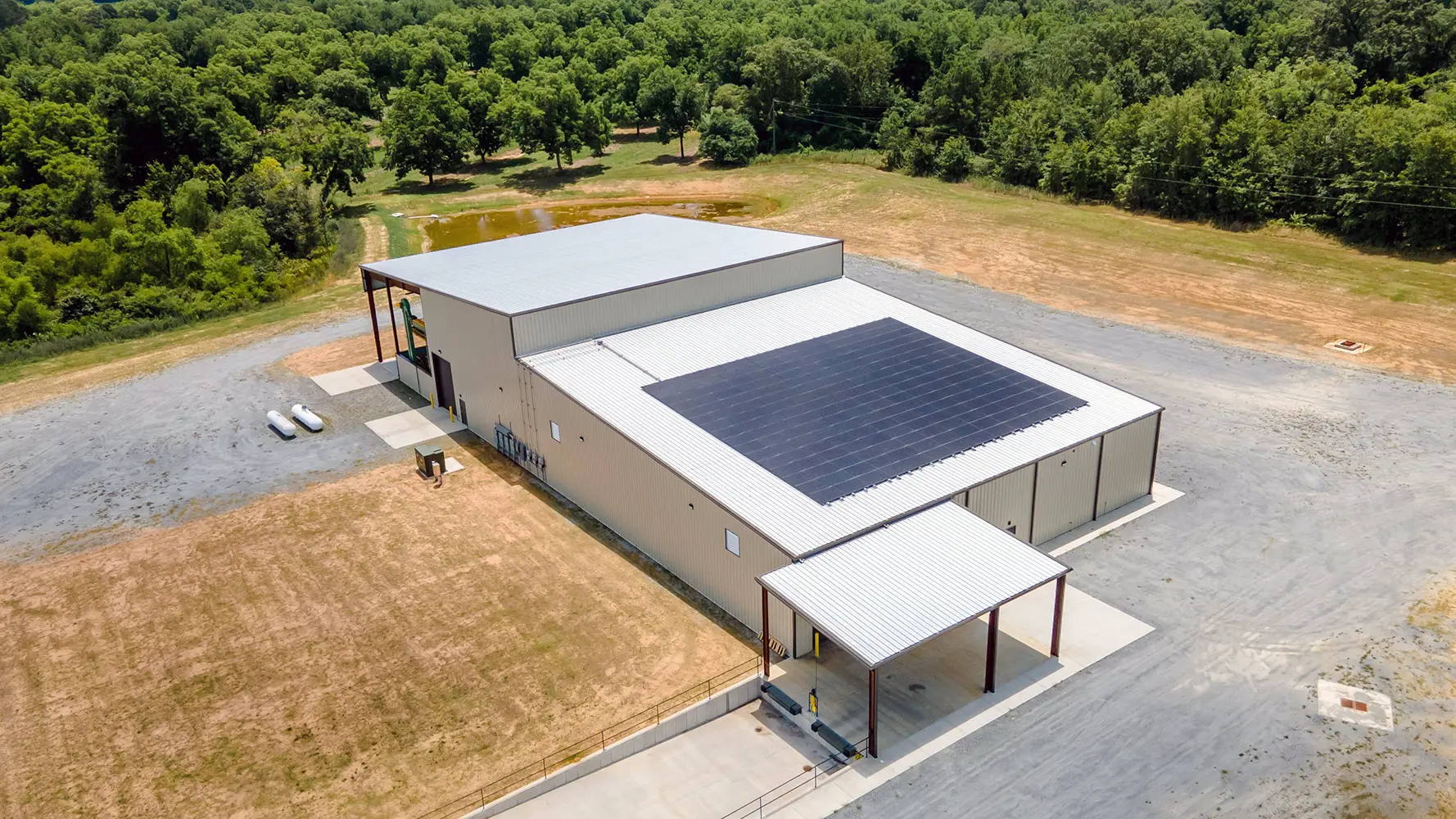
Farms often have large open spaces, barns, and storage buildings that make ideal locations for solar installations without disrupting daily operations.
Predictable Long-Term Planning
Solar allows agricultural businesses to stabilize energy costs, making budgeting and financial planning much more predictable year over year.
Sustainability Advantages
Adopting solar also supports environmental goals, helping farms reduce carbon impact and strengthen their position within modern supply chains.
How Solar Systems Work on Farms
Commercial Solar for Agricultural Operations is typically designed around how and when a farm uses energy most heavily.
On-Site Generation Model
Solar panels generate electricity directly at the farm, reducing reliance on external utility providers.
Net Metering Opportunities
When available, excess energy can be sent back to the grid for credits, further improving system value.
Seasonal Energy Matching
System sizing is often aligned with peak agricultural seasons such as planting and harvest, when energy demand is highest.
Understanding Safe Harboring in Solar Projects
Safe harboring is a financial strategy used to protect eligibility for federal solar incentives during project development.
For Commercial Solar for Agricultural Operations, this can help lock in tax benefits and reduce exposure to future policy changes.
Why It Matters
It provides financial certainty during project planning and ensures stronger long-term return potential.
Common Methods
Developers typically qualify through early project spending or beginning physical construction.
Financing Options for Agricultural Solar Projects
Power Purchase Agreements (PPAs)
With a PPA, farms can adopt solar with little to no upfront cost and pay only for the energy produced.
Leasing Models
Leasing allows for fixed monthly payments, making solar more accessible for agricultural operations managing tight cash flow.
Direct Ownership
Ownership delivers the highest long-term return, especially when paired with available incentives and tax credits.

Key Considerations Before Installation
Before implementing Commercial Solar for Agricultural Operations, farms should evaluate several critical factors.
Energy Usage Patterns
Understanding seasonal and daily energy demand is essential for proper system sizing.
Site Conditions
Roof condition, land availability, and shading all effect system performance.
Utility Interconnection
Approval timelines and grid requirements can impact overall project scheduling.
Long-Term ROI and Value Creation for Farm Owners
Beyond immediate energy savings, solar represents a long-term infrastructure investment that continues to generate value year after year. For agricultural businesses, this shift is especially impactful because energy costs are not optional—they are built into daily operations and directly affect profit margins.
Commercial Solar for Agricultural Operations delivers return on investment through reduced utility spending, protection against rising electricity rates, and increased control over long-term operating expenses. Over time, these savings compound, often allowing systems to pay for themselves while continuing to produce low-cost energy for decades.
In many cases, farms also benefit from improved property value, as energy-efficient infrastructure is increasingly viewed as a financial asset rather than just an operational upgrade. This makes solar not only a cost-saving measure but also a strategic move for long-term business stability and growth.
Why Work with Colite Technologies
Colite Technologies delivers engineered solar solutions built for long-term performance and financial efficiency. We specialize in designing Commercial Solar for Agricultural Operations systems that align with real-world farm usage, ensuring maximum return on investment and operational reliability.