
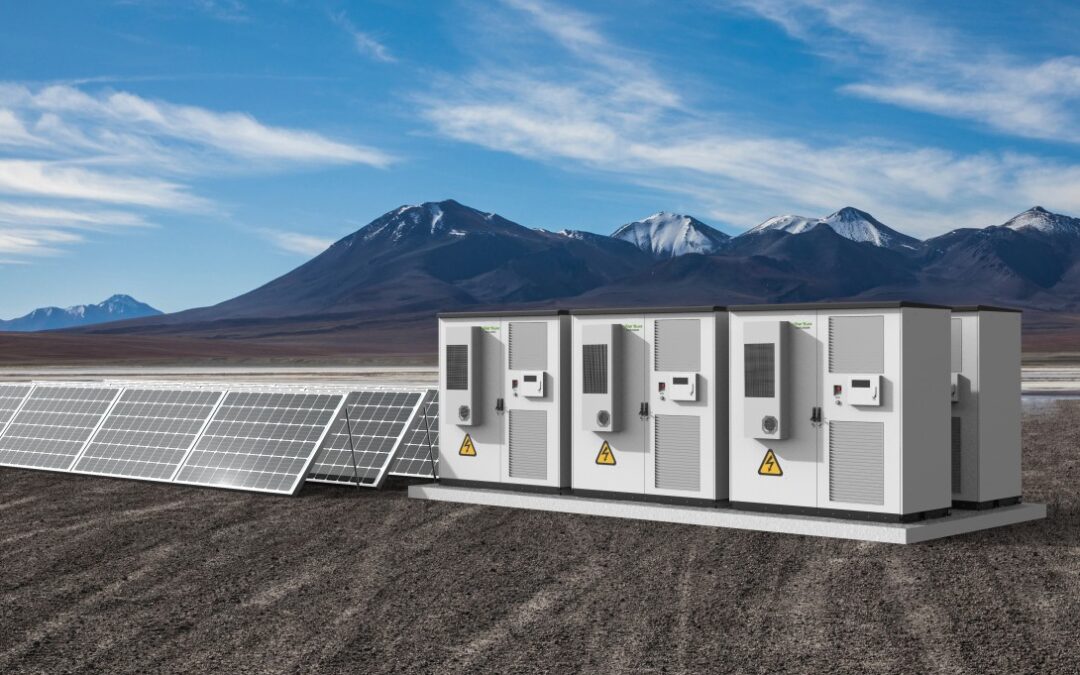
Battery energy storage systems (BESS) are transforming the way we utilize electricity. By reducing energy costs and increasing energy independence, solar battery storage improves the way we can generate, distribute, and consume energy.
How Battery Energy Storage Systems Work
The primary function of BESS is to store energy in batteries and distribute any excess energy for future use. These rechargeable battery systems can collect energy from multiple sources, including the power grid and renewable resources such as solar arrays. At the heart of these systems are interconnected batteries, most commonly lithium-ion, which are known for their ability to store large amounts of electrical energy.
Lithium-ion batteries are preferred because they offer a long-life span, high energy density, and efficient performance during charging and discharging. In 2023, lithium-ion battery prices hit a record low, making battery storage a more reliable and cost-effective option for sustainable energy systems.
When electricity is cheap or available, the storage system charges the batteries by converting electrical energy into chemical energy. Later, as prices rise or demand increases, the stored energy is converted back into electricity to power buildings, homes, or the grid. Throughout this process, control systems continuously monitor and manage battery capacity, utilization patterns, and grid conditions.
BESS systems can come in a wide range of sizes, from small in-house units that can fit on a wall or floor to large commercial installations that can take up to 100 square feet. These systems can either be installed alongside renewable energy projects, such as EV charging stations and commercial rooftop solar, or can be used as a standalone system.
Benefits for People/Businesses
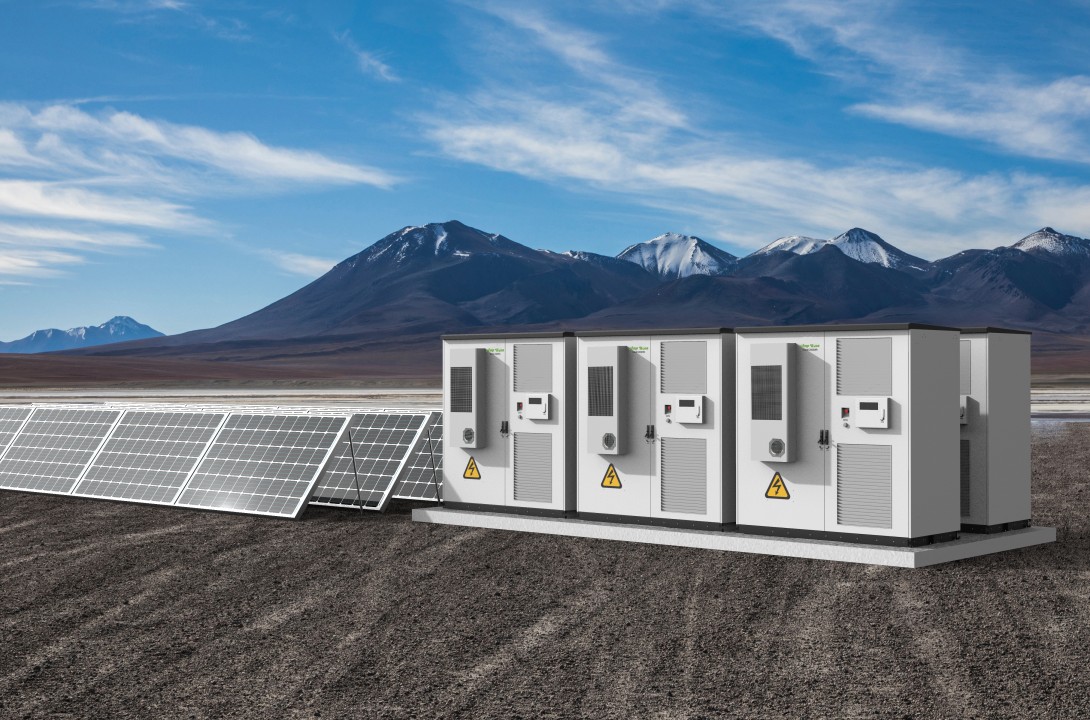
Battery energy storage system (BESS) offers significant benefits for both individuals and businesses by enhancing energy reliability and reducing costs. For homeowners, BESS ensures a steady supply of electricity even during power outages, while also allowing them to store excess energy for later. This not only improves energy independence but also helps manage utility bills by avoiding peak demand charges. For businesses, BESS optimizes energy use by storing during peak-off times and using it during high demand periods to minimize building costs.
7 Key Benefits of Energy Storage
Battery energy storage systems provide several benefits to individuals and businesses:
- Cost Savings: Companies and homeowners can significantly lower their electricity bills by optimizing their energy consumption. Alternative energy savings methods such as peak shaving can greatly reduce overall energy costs for facilities or homes. By storing low-cost energy and using it when electricity rates are higher, consumers can shift consumption to avoid expensive charges and save money.
- Backup Power: During a power outage, BESS can supply backup power allowing all types of properties – industrial and commercial – to maintain productivity.
- Improved Energy Efficiency: By managing energy supply and demand, BESS helps prevent grid overloads and maintains grid stability. Battery storage systems balance supply and demand by storing energy when production exceeds consumption and releasing it when demand spikes, leading to more efficient energy use.
- Energy Arbitrage: BESS allows consumers to charge batteries when prices for electricity are low and utilize energy when prices are high. This allows consumers to benefit from several financial incentives and additional opportunities for revenue gain.
- Peak Shaving: During low demand periods, BESS can store excess energy and release it during high demand periods helping reduce electricity consumption during peak times.
- Energy Independence: Individuals and businesses can take greater control over energy expenses by generating and storing their own electricity on-site. This allows them to rely less on utility companies and ensures emergency backup power.
- Renewable Energy Integration: Energy produced from renewable energy sources such as rooftop solar and wind farms can be stored and used when demand exceeds production. This allows facilities to continue operating even when the sun isn’t shining, or the wind isn’t blowing.
The combination of solar energy and battery energy storage systems represents notable progress in power generation and usage. By capturing and storing excess solar energy, BESS ensures a consistent and reliable power supply, even when solar resources are unavailable. This approach not only enhances energy independence but also delivers substantial cost savings and environmental benefits.
Homeowners and businesses can benefit from reduced energy costs, improved efficiency, and a smaller carbon footprint. As these technologies continue to evolve, BESS will play a crucial role in leading a more sustainable energy future.
For further information, here is a visual walkthrough of the Advantages of Battery Energy Storage Systems.