
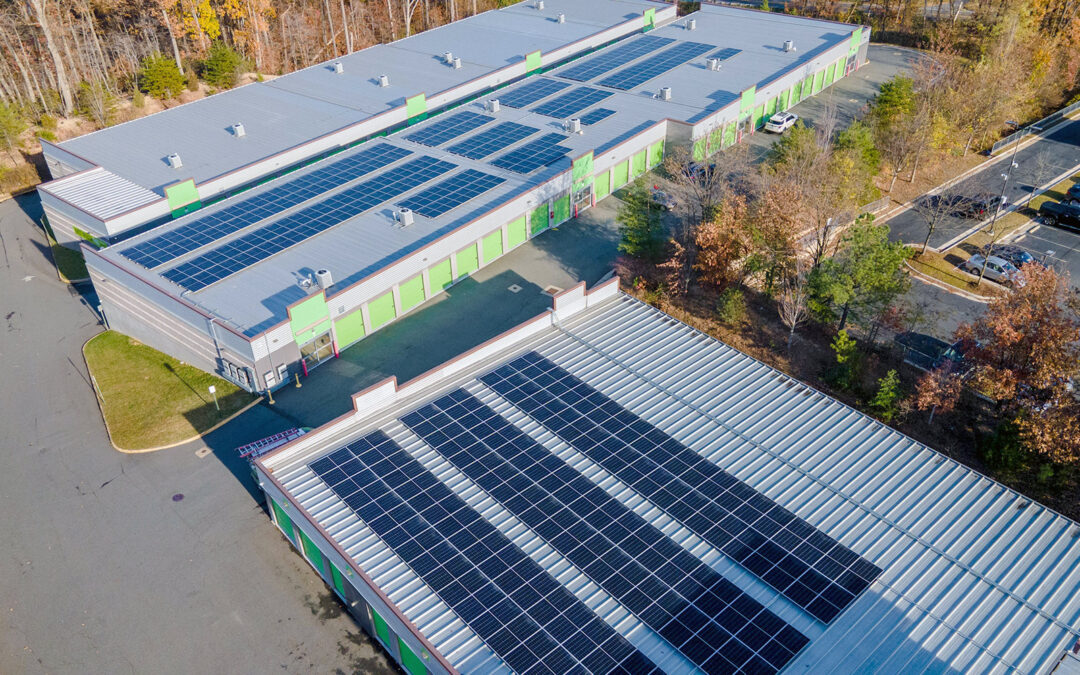
4 Ways Solar Energy Enhances Sustainability Goals
As businesses strive to meet their sustainability goals, commercial solar energy has become a game changer. With increasing demand for eco-friendly practices and stricter environmental regulations, companies are looking for effective solutions to reduce their carbon footprint while maintaining profitability.
Solar energy sustainability offers a powerful way for businesses to not only lower their environmental impact but also gain a competitive edge in the marketplace. In addition, adopting solar solutions can enhance brand reputation and appeal to environmentally conscious consumers and investors.
By showcasing a commitment to clean energy, businesses can differentiate themselves in a crowded market, attract new customers, and even unlock government incentives or tax credits. As the clean energy transition accelerates, companies that invest early in solar are positioning themselves for long-term success and resilience in a rapidly evolving energy landscape.

1. Reduce Your Carbon Footprint Significantly:
One of the most immediate and impactful ways that commercial solar energy helps businesses achieve sustainability is by significantly reducing their carbon footprint. Traditional energy sources like fossil fuels contribute to harmful greenhouse gas emissions. In comparison, solar power is clean, renewable, and produces zero emissions once installed. By switching to solar energy, your business can substantially lower its contribution to climate change while advancing solar energy sustainability efforts.
For example, a typical commercial solar system can offset thousands of tons of carbon dioxide (CO2) over its lifetime. This reduction is a direct step toward meeting climate targets and creating a more sustainable operation.
2. Achieve Renewable Energy Target:
Many businesses are setting ambitious goals to transition to 100% renewable energy or become net-zero carbon in the coming years. Solar energy is a key tool in helping you meet these targets. Solar systems generate clean electricity from the sun, reducing reliance on traditional energy sources and allowing businesses to take a big step toward renewable energy independence. Solar energy sustainability not only supports your company’s sustainability goals but also helps meet global efforts to fight climate change. With new solar technology and government incentives, adopting solar has become more affordable and easier than ever.
3. Increase Savings:
Switching to commercial solar energy not only benefits the environment but also leads to significant cost savings for businesses. Traditional energy costs are often unpredictable, with prices fluctuating due to market conditions and rising utility rates. By installing a solar power system, your business can produce its own electricity, significantly reducing your monthly energy bills.
Over time, these savings can add up, as solar energy systems require very little maintenance and have a long lifespan. Furthermore, solar energy protects your business from future increases in utility costs. With the ability to generate your own power, your business becomes less reliant on energy providers and less affected by energy prices rising. In addition to saving on energy bills, there are tax incentives, rebates, and special financing options that make it even easier to adopt solar energy. These incentives can help lower the initial installation costs, making solar power more affordable and offering a quicker return on investment.
Over the life of the system, businesses can expect substantial financial savings while contributing to their long-term sustainability goals.
4. Enhance Brand Reputation and Meet Consumer Expectations:
Solar energy sustainability has become a crucial factor in consumer decision-making, and businesses that invest in clean energy solutions like solar power can strengthen their brand reputation. More consumers are choosing to support companies that prioritize environmental responsibility, and adopting solar energy sustainability is a visible and impactful way to demonstrate your commitment to sustainability. By showing your business’s efforts to reduce its carbon footprint and invest in renewable energy, you can attract eco-conscious customers, strengthen stakeholder relationships, and improve brand loyalty. Additionally, having solar energy sustainability helps reporting requirements.
Investing in commercial solar energy is a strategic decision that not only supports sustainability goals but also delivers long-term financial and reputational benefits. From reducing your carbon footprint and achieving renewable energy targets to lowering operational costs and enhancing brand image, soar power is an effective solution for businesses looking to make a meaningful impact.
As environmental concerns and energy costs continue to rise, transitioning to solar energy is an innovative strategy that ensures long-term success and sustainability for your business.
To see how Colite Technologies can help you enhance your solar energy sustainability goals, explore some of our case studies below:

Southeastern Freight Lines
191.3 kW system with a 38% energy offset and 4,624 metric tons of carbon dioxide emissions avoided.

Extra Space Storage - Northwood
101.2 kW system with a 68.7% energy offset and 2,501 metric tons of carbon dioxide emissions avoided.

CubeSmart Self Storage
203 kW system with a 99.71% energy offset and 4,418 metric tons of carbon dioxide emissions avoided.

Excel Truck Group
160.8 kW system with an 72% energy offset and 3,546 metric tons of carbon dioxide emissions avoided.