

Switching to solar is one of the smartest business decisions you can make. It lowers energy bills, reduces environmental impact, and demonstrates leadership in sustainability. But here’s the catch: a commercial solar project is not a small undertaking. It requires foresight, planning, and strategic execution.
Many businesses rush into solar with excitement but end up facing delays, unexpected costs, or disappointing results because they missed critical steps. To maximize returns, avoid common pitfalls in solar project planning and embrace proven strategies for success.
This guide walks you through seven mistakes businesses often make when starting their first commercial solar project, and how to steer clear of them.
Why Commercial Solar Projects Are Growing
Before diving into the mistakes, its worth understanding why companies are making the switch. Businesses across the U.S. are embracing solar energy for businesses not just for cost savings but also for resilience and sustainability goals.
In states like South Carolina, Georgia, and Virginia, companies are increasingly investing in solar systems through reliable commercial solar installation providers. Whether it’s a manufacturing hub exploring South Carolina solar, a logistics center considering solar in Georgia, or a corporate office upgrading with Virginia solar installation, the trend is clear: solar is no longer optional—it’s essential.
Mistake 1: Skipping a Comprehensive Site Assessment
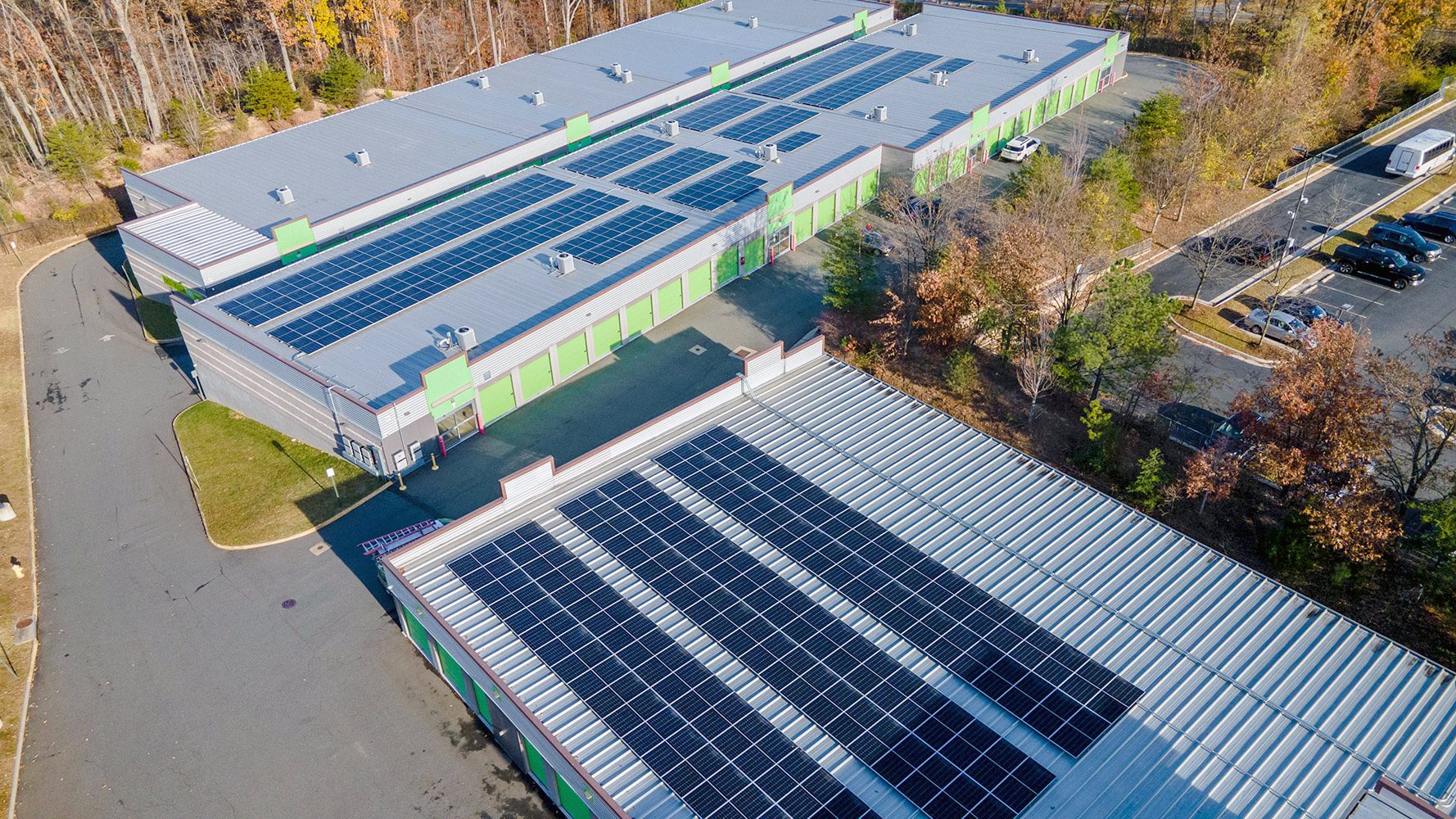
The first mistake businesses make in a commercial solar project is underestimating the importance of a thorough site evaluation. Factors like roof condition, shading, building orientation, and structural load capacity all impact system design. Skipping this step often leads to inefficient panel layouts or costly retrofits later.
How to avoid it:
-
Conduct detailed site surveys.
-
Evaluate roof age and structural capacity.
-
Account for seasonal shading from trees or nearby buildings.
When solar project planning starts with data-driven assessments, performance and ROI dramatically improve.
Mistake 2: Ignoring Local Regulations and Permits
Solar isn’t just about panels—it’s about compliance. A frequent challenge in commercial solar project management is navigating local zoning laws, utility interconnection requirements, and building codes.
How to avoid it:
-
Partner with experienced installers who know regional policies.
-
Stay updated on permitting timelines and costs.
-
Factor approvals into your project schedule.
Failing to account for this step can lead to months of delays, jeopardizing your financial forecasts.
Mistake 3: Overlooking Financing Options
One of the most common solar financing mistakes is assuming cash purchase is the only option. In reality, companies have access to multiple financing models such as leases, loans, and power purchase agreements (PPAs).
How to avoid it:
-
Compare the ROI of different financing structures.
-
Leverage federal and state incentives.
-
Align financing with long-term business goals.
A poorly chosen financing model can make or break the economics of a commercial solar project.
Mistake 4: Failing to Plan for Long-Term Operations
Too many businesses treat solar as “install it and forget it.” In reality, successful commercial solar projects require maintenance, monitoring, and ongoing management.
How to avoid it:
-
Invest in monitoring software to track performance.
-
Budget for preventive maintenance.
-
Establish a relationship with your installer for long-term support.
Strong solar project management ensures systems continue delivering peak performance for 25+ years.
Mistake 5: Underestimating Energy Usage Data
Designing a solar system without accurate energy data is like planning a trip without a map. Businesses that underestimate their consumption often end up with systems that fall short of expectations.
How to avoid it:
-
Gather at least 12 months of utility bills.
-
Identify peak usage patterns.
-
Align solar output with future expansion plans.
Accurate data ensures your commercial solar project meets your current and future energy needs.
Mistake 6: Focusing Only on Upfront Costs
The cheapest bid isn’t always the best choice. Some businesses fall into the trap of selecting providers based solely on upfront price without considering long-term value.
How to avoid it:
-
Evaluate installer experience and track record.
-
Review warranties, service packages, and panel quality.
-
Weigh long-term savings against initial investment.
Partnering with a trusted commercial solar installation team may cost more upfront but pays off in durability and performance.
Mistake 7: Neglecting Employee and Stakeholder Buy-In
Solar impacts more than just the facilities team—it touches employees, customers, and investors. Overlooking communication can lead to confusion or missed opportunities for branding and engagement.
How to avoid it:
-
Educate employees on solar benefits.
-
Share progress in ESG or sustainability reports.
-
Showcase your commitment publicly to strengthen your brand.
A well-communicated commercial solar project turns energy savings into a competitive advantage.
Key Steps for Successful Solar Project Planning
Avoiding mistakes is half the battle. The other half is building a strong framework for success.
Successful solar project planning includes:
-
Clear definition of business goals.
-
Selecting the right financing model.
-
Engaging an experienced project manager.
-
Monitoring progress and adjusting as needed.
With proper solar project management, businesses unlock maximum ROI while minimizing risks.
Regional Insights: Why Local Context Matters
Every state has unique factors influencing commercial solar projects.
-
South Carolina: Businesses leverage abundant sunshine and growing solar incentives, making South Carolina solar a powerful option.
-
Georgia: Industrial growth and rising utility rates are pushing companies to explore solar in Georgia as a cost-control strategy.
-
Virginia: With increased corporate commitments to clean energy, Virginia solar installation is expanding rapidly.
Tailoring your commercial solar project to local conditions ensures regulatory compliance and maximizes financial benefits.
Why Work with Professionals
Commercial solar isn’t a DIY endeavor. From design and financing to installation and maintenance, professional guidance is critical. A trusted partner brings:
-
Technical expertise in system design.
-
Knowledge of state-specific incentives.
-
Experience in large-scale solar project planning.
-
Support for long-term system performance.
This professional backing makes the difference between a smooth rollout and a costly misstep.
Conclusion: Plan Smart, Save More
Solar energy offers businesses a path to lower costs, stronger sustainability, and long-term resilience. But success depends on careful planning. By avoiding common mistakes—like skipping site assessments, ignoring financing options, or underestimating energy needs—you set your commercial solar project up for decades of returns.
We specialize in helping businesses navigate every step of the process, from commercial solar installation to state-specific projects like South Carolina solar, solar in Georgia, and Virginia solar installation.
The opportunity is here. Don’t let planning mistakes derail your success. Visit Colite Technologies today to start building a solar strategy that works for your business.