

Commercial solar adoption is growing rapidly across farms, agricultural facilities, and rural businesses—and one major reason is the USDA REAP Grant for Solar. Rising utility costs continue to impact operating budgets, especially for businesses that rely heavily on equipment, refrigeration, irrigation, processing systems, or large facilities.
The USDA Rural Energy for America Program (REAP) helps eligible agricultural producers and rural small businesses invest in renewable energy systems like commercial solar. By reducing upfront costs, the program makes solar more accessible and financially attractive for organizations looking to improve long-term energy stability.
For many businesses, combining solar incentives with grant funding can significantly shorten payback periods while creating decades of operational savings.
What Is the USDA REAP Grant for Solar?
The USDA REAP Grant for Solar is a federal incentive program designed to support renewable energy development in rural America. Through this program, eligible businesses can receive grant funding to help offset the cost of installing commercial solar energy systems.
The program is administered by the United States Department of Agriculture and focuses on helping agricultural producers and rural small businesses improve energy efficiency and reduce long-term utility expenses.
Solar projects funded through REAP may include:
- Rooftop solar installations
- Ground-mounted commercial solar systems
- Solar carports
- Battery storage paired with solar
- Energy efficiency improvements tied to renewable energy projects
For businesses with large energy demands, these incentives can dramatically improve project affordability.
Who Qualifies for the USDA REAP Grant?
Eligibility for the USDA REAP Grant for Solar generally applies to two groups:
Agricultural Producers
Farmers and agricultural operations may qualify if at least 50% of their gross income comes from agricultural production.
Examples include:
- Poultry farms
- Dairy farms
- Row crop operations
- Greenhouses
- Livestock facilities
- Agricultural processing facilities
Rural Small Businesses
Small businesses located in eligible rural areas may also qualify. This can include:
- Warehouses
- Manufacturing facilities
- Self-storage properties
- Hospitality businesses
- Rural retail locations
- Commercial office facilities
Many rural businesses are surprised to learn they qualify for solar grant opportunities through REAP.
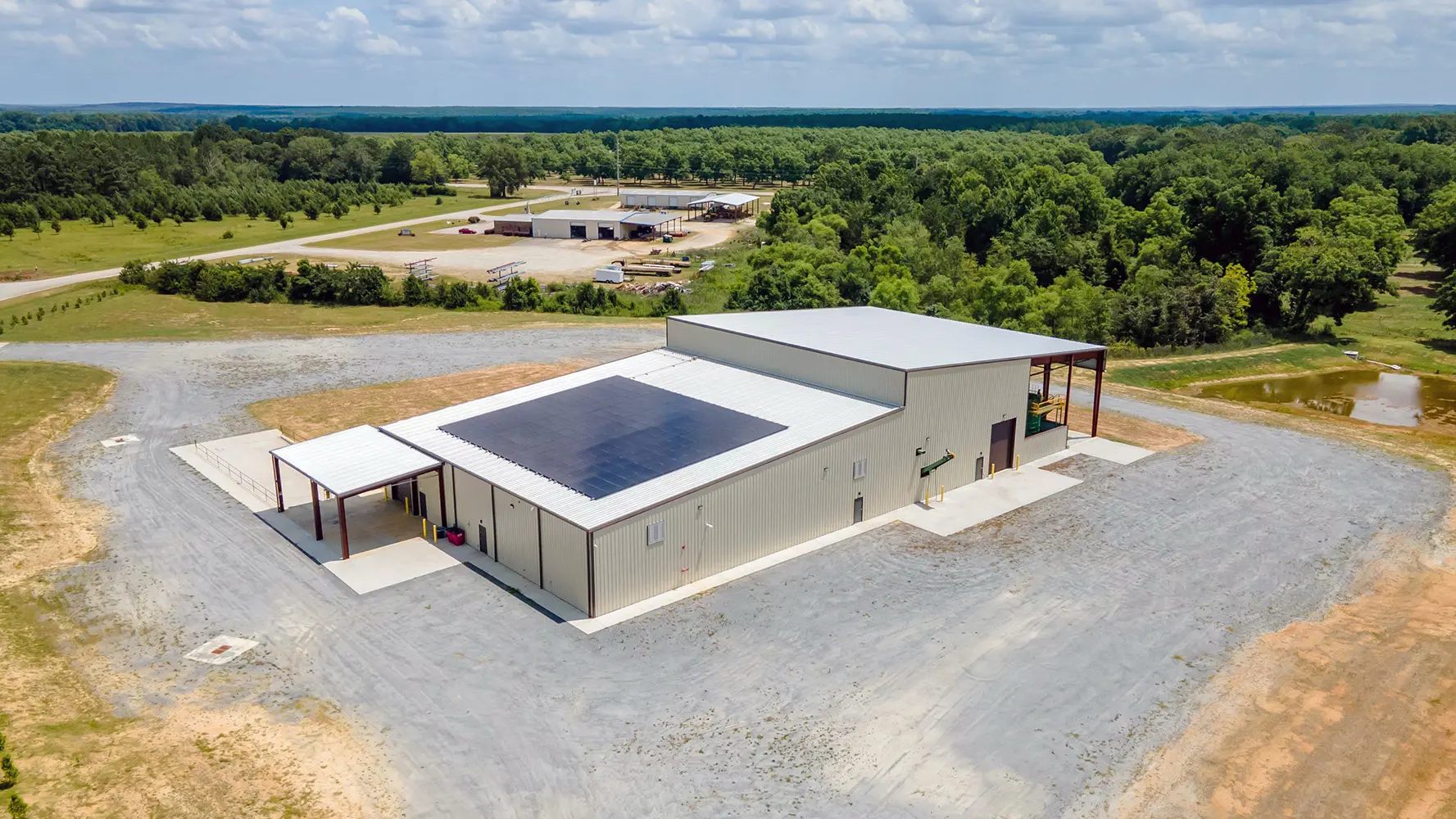
How the USDA REAP Grant Reduces Solar Project Costs
One of the biggest barriers to commercial solar adoption is upfront capital cost. The USDA REAP Grant for Solar helps lower that barrier by covering a portion of eligible project expenses.
When combined with other federal incentives like the Investment Tax Credit (ITC), accelerated depreciation, and local utility incentives, businesses can dramatically reduce total project costs.
Combining Multiple Incentives
A commercial solar project may benefit from:
- USDA REAP grant funding
- Federal solar tax credits
- MACRS depreciation
- State-level incentives
- Utility rebate programs
Layering incentives together often creates a much stronger return on investment compared to relying on a single program alone.
Why Agricultural Businesses Are Turning to Solar
Agricultural operations often consume large amounts of electricity throughout the year. Irrigation systems, refrigeration units, climate-controlled storage, and processing equipment can all create substantial utility expenses.
Predictable Long-Term Energy Costs
Commercial solar helps agricultural businesses gain more control over energy expenses by reducing reliance on unpredictable utility rate increases.
Over time, stable solar energy production can help businesses:
- Improve budgeting accuracy
- Protect operating margins
- Lower monthly electricity costs
- Reinvest savings into operations
For farms operating on tight margins, energy predictability can become a major competitive advantage.
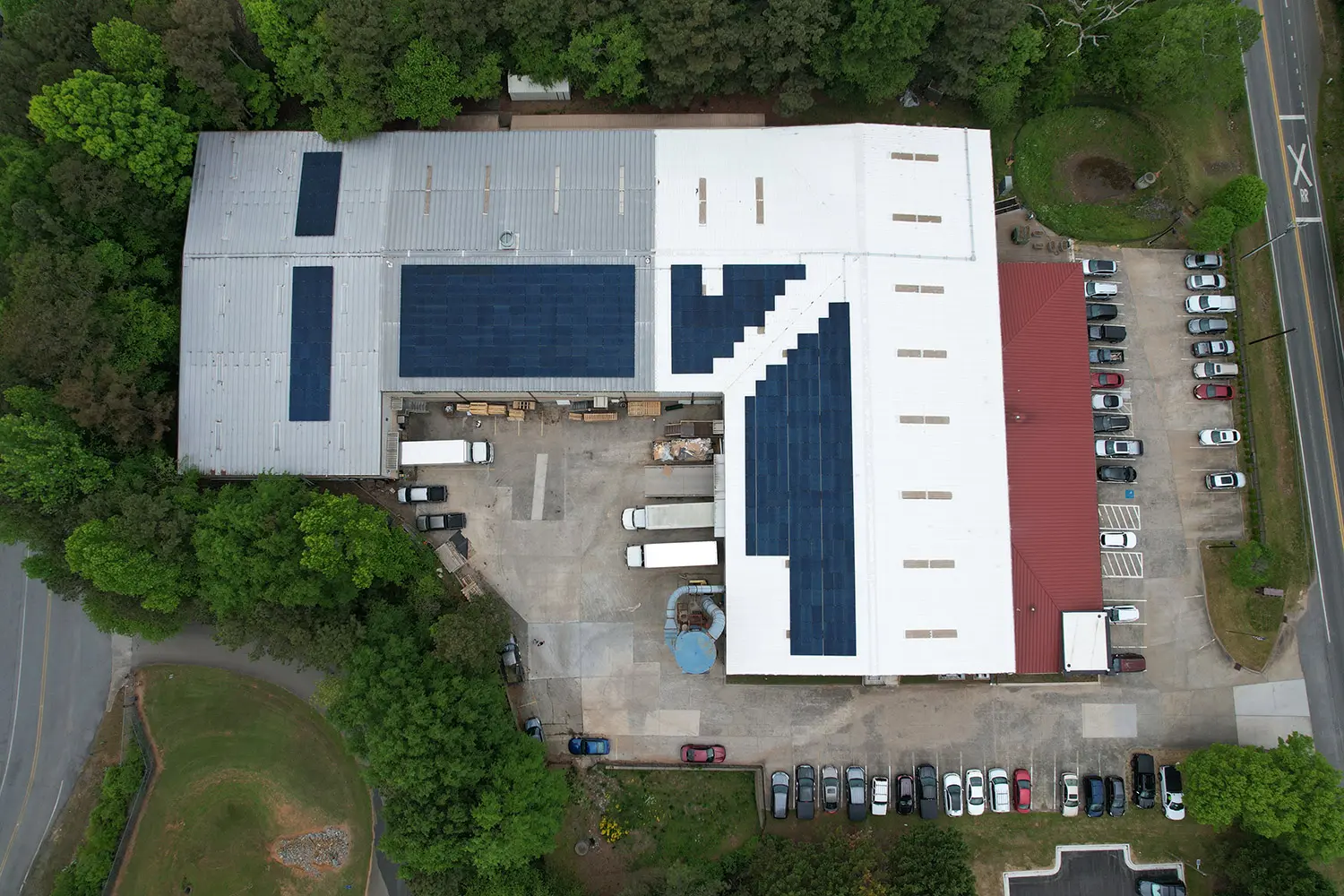
Solar Supports Long-Term Sustainability Goals
Many agricultural and rural businesses are also investing in sustainability initiatives. Commercial solar supports these efforts while delivering measurable financial value.
Strengthening Brand Reputation
Customers, investors, and communities increasingly value organizations that prioritize renewable energy and environmental responsibility.
Installing solar can help businesses:
- Demonstrate sustainability leadership
- Improve public perception
- Support ESG initiatives
- Appeal to environmentally conscious customers
For agricultural businesses especially, sustainability often aligns naturally with long-term land stewardship goals.
Why Choosing the Right Commercial Solar EPC Matters
Successfully navigating incentives like the USDA REAP Grant for Solar requires careful planning, engineering expertise, and financial coordination.
The Importance of an Experienced Solar Partner
An experienced commercial solar EPC partner can help businesses:
- Evaluate site feasibility
- Design efficient solar systems
- Coordinate incentive opportunities
- Support project timelines
- Maximize long-term energy production
Working with a knowledgeable team helps ensure projects are designed to align with both operational needs and available funding opportunities.
The Future of Rural Energy Is Solar
As electricity prices continue to rise, more agricultural producers and rural businesses are exploring renewable energy solutions that provide both immediate and long-term value.
The USDA REAP Grant for Solar gives qualifying businesses an opportunity to reduce project costs while investing in greater energy independence and operational stability.
For organizations looking to strengthen financial performance, improve sustainability, and reduce utility expenses, commercial solar continues to be one of the most impactful long-term investments available today.