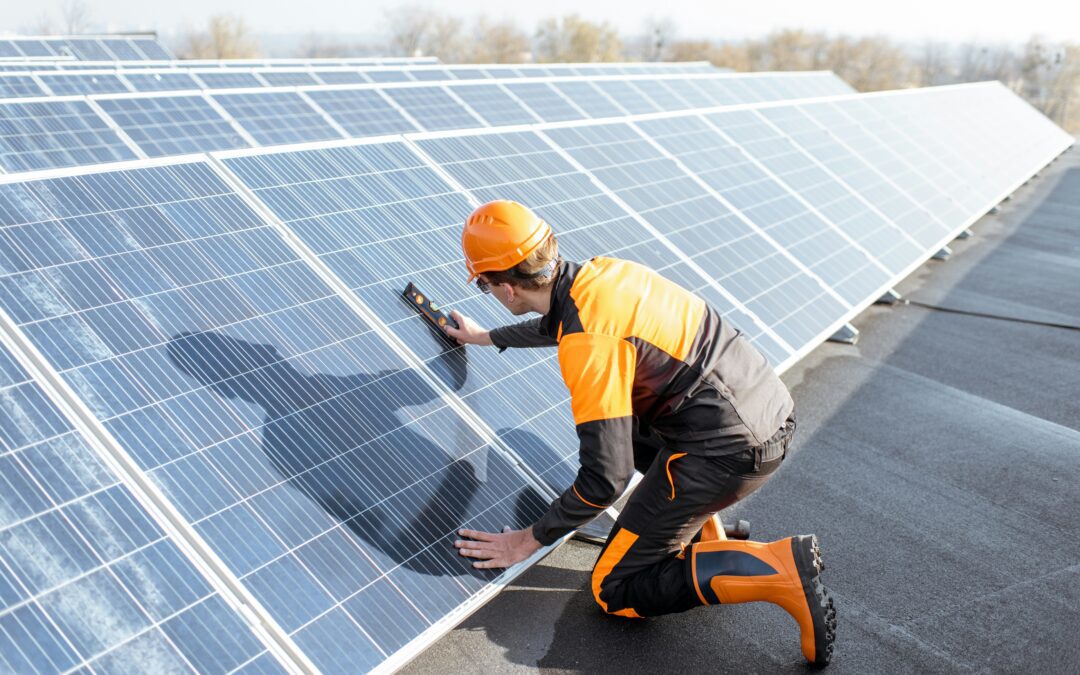
When businesses invest in solar power, they expect decades of reliable performance and savings. However, achieving that level of consistency doesn’t just depend on system design—it relies heavily on proper Commercial Solar Maintenance.
Just like any other business asset, solar installations need routine care to perform at their best. Without it, efficiency can drop, panels can degrade faster, and your return on investment (ROI) may fall short of expectations.
At Colite Technologies, we help companies across South Carolina, Georgia, and Virginia maintain high-performing solar systems through professional inspections, cleaning, and monitoring. In this comprehensive guide, we’ll explore essential Commercial Solar Maintenance strategies and preventive maintenance tips to protect your investment and ensure long-term reliability.
Why Commercial Solar Maintenance Matters
A commercial solar system isn’t a “set it and forget it” solution. While solar panels are designed to operate with minimal upkeep, dirt, weather, and time can still impact performance. Regular Commercial Solar Maintenance ensures your system consistently delivers optimal power output, reducing downtime and protecting financial returns.
Key Reasons Maintenance Is Essential
- Preserves Efficiency: Clean and well-maintained panels capture more sunlight.
- Extends Equipment Life: Prevents premature wear on inverters and wiring.
- Reduces Operating Costs: Early detection of faults avoids costly repairs.
- Protects ROI: Maintains consistent energy production and business savings.
- Ensures Safety: Routine checks prevent electrical hazards or performance failures.
Even a small 5% loss in system output can add up to thousands of dollars in missed energy production over time.

Understanding What Commercial Solar Maintenance Involves
A comprehensive Commercial Solar Maintenance program covers more than just cleaning panels—it involves inspections, testing, and ongoing system performance monitoring.
Core Components of Solar System Upkeep
- Visual Inspections
- Checking panels, frames, and mounts for damage or corrosion.
- Identifying shading or debris buildup.
- Electrical Testing
- Measuring voltage and current output for consistency.
- Inspecting connections, inverters, and fuses for proper operation.
- Solar Panel Cleaning
- Removing dust, pollen, bird droppings, or pollutants that reduce light absorption.
- Monitoring and Diagnostics
- Using software or IoT tools to track real-time energy generation and flag irregularities.
- Mechanical Inspections
- Ensuring bolts, racking, and joints remain secure and structurally sound.
These steps keep your business solar system performing efficiently and extend its operational lifespan.
How Often Should You Schedule Commercial Solar Maintenance?
The frequency of Commercial Solar Maintenance depends on environmental conditions, location, and system size.
- Quarterly visual inspections are recommended for high-dust or coastal areas.
- Semi-annual professional servicing should include performance tests and inverter checks.
- Annual cleaning or more frequent service may be needed in industrial regions or near highways where pollution accumulates faster.
For tailored service recommendations, explore our Commercial Solar Installation page to see how we customize maintenance schedules for each project.
Preventive Maintenance Tips for Long-Term Efficiency
Preventive care is the most cost-effective way to protect your solar investment. A proactive solar system upkeep plan reduces downtime, increases efficiency, and prevents expensive repairs.
Top Preventive Maintenance Tips
- Monitor Energy Output Regularly
Track daily production through smart monitoring tools to detect performance drops early. - Keep Panels Clean
Schedule regular solar panel cleaning to prevent dirt buildup that blocks sunlight. - Inspect After Severe Weather
Storms can loosen wiring or shift panel mounts—inspect systems promptly afterward. - Check Shading Conditions
Trees or nearby construction can cause unexpected shading over time, affecting performance. - Inspect Wiring and Inverters
Look for corrosion, rodent damage, or loose connections that can reduce efficiency. - Document Every Service
Maintain logs of inspections, cleanings, and repairs for warranty and audit purposes.
Preventive Commercial Solar Maintenance not only minimizes unexpected costs but also helps ensure your business meets energy production targets year-round.
The Role of Solar Panel Cleaning in System Performance
Clean panels are critical for maximizing business energy performance. Dust, pollen, or grime can reduce solar efficiency by 10–20%, especially in humid or dusty climates.
Best Practices for Solar Panel Cleaning
- Use deionized or distilled water to avoid mineral deposits.
- Avoid harsh chemicals that can damage panel coatings.
- Clean early in the morning or late afternoon to prevent rapid evaporation.
- Use soft brushes or squeegees to prevent surface scratches.
- Hire professionals for large commercial systems for safety and efficiency.
Our cleaning and maintenance services use industry-approved methods that restore peak system performance while protecting panel integrity.

Common Issues Detected During Commercial Solar Maintenance
Routine inspections often uncover minor issues before they escalate into major failures.
Frequent Maintenance Findings
- Loose Connections: Can cause voltage drops or intermittent shutdowns.
- Inverter Malfunctions: The most common component to fail over a 20-year lifespan.
- Microcracks in Panels: Often invisible but gradually reduce power output.
- Corrosion or Water Ingress: Especially in coastal or humid climates.
- Animal Damage: Birds or rodents can chew through cables or nests under panels.
Early intervention keeps your solar system upkeep costs low and your system reliable.
How Monitoring Systems Support Solar Efficiency Improvement
Modern commercial solar setups include real-time monitoring that tracks performance metrics, flagging even minor irregularities.
Key Benefits of Performance Monitoring
- Instant Alerts: Detect underperforming strings or inverter faults immediately.
- Data Analytics: Analyze performance trends for better solar efficiency improvement.
- Predictive Maintenance: Identify potential problems before they impact production.
- Remote Management: Manage multiple sites from a single dashboard.
Integrating advanced monitoring is one of the smartest long-term investments you can make in Commercial Solar Maintenance.
Regional Factors Affecting Maintenance Needs
Different environments pose different challenges for solar assets. The Southeast, for instance, experiences high humidity, occasional storms, and seasonal pollen—all of which influence maintenance planning.
South Carolina
High humidity and coastal salt can cause corrosion. Regular cleaning and sealing are key. Visit our South Carolina Solar page for localized maintenance guidance.
Georgia
Frequent rain and pollen can reduce panel efficiency. Seasonal cleaning boosts business energy performance and helps offset shading losses. Learn more on our Solar in Georgia page.
Virginia
Snow accumulation in winter and leaf buildup in fall require special attention. Preventive cleaning ensures continuous power generation. Visit Virginia Solar Installation for maintenance insights tailored to regional conditions.
Professional vs. DIY Commercial Solar Maintenance
While small tasks like visual inspections or debris removal can be handled internally, professional servicing ensures thorough performance testing and warranty compliance.
Why Professional Maintenance Matters
- Certified technicians perform in-depth electrical diagnostics.
- Specialized tools ensure accurate system readings.
- Warranties often require proof of professional servicing.
- Experts can identify subtle issues before they become serious.
A partnership with experienced providers like Colite Technologies guarantees that your Commercial Solar Maintenance program is comprehensive, safe, and effective.
Seasonal Solar Maintenance Checklist
Each season brings unique challenges for solar systems. Follow this simple schedule to stay proactive:
Spring
- Remove pollen and debris buildup.
- Inspect wiring and conduit for winter damage.
- Test inverter operation after cold months.
Summer
- Check for overheating or shading issues.
- Ensure ventilation and airflow around equipment.
Fall
- Clear leaves and organic debris.
- Inspect mounts before storm season.
Winter
- Remove snow accumulation.
- Inspect batteries and electrical connections.
- Schedule a professional efficiency test.
This rotation keeps your solar system upkeep consistent throughout the year.

How Maintenance Impacts Business Energy Performance
Every kilowatt of lost efficiency translates to lost profits. Regular Commercial Solar Maintenance directly affects your system’s productivity and, ultimately, your bottom line.
Benefits of Proper Maintenance:
- Increased energy production by 10–15%.
- Reduced downtime from unexpected failures.
- Improved payback period and system longevity.
- Better asset performance for audits and reports.
When your solar system operates at full efficiency, your company saves more, performs better, and strengthens its sustainability image.
Case Study: How Routine Maintenance Improved Output
A manufacturing facility in Georgia installed a 500-kW solar system in 2020. After three years without professional maintenance, output had dropped 12%.
Our team performs a full inspection, cleaning, and inverter calibration. Within a week, system output increased by 14%, restoring production to expected levels.
The client now follows a quarterly Commercial Solar Maintenance schedule — and continues to save thousands annually in energy costs.
The Cost of Neglecting Solar Maintenance
Ignoring maintenance might seem like a way to save money, but it leads to bigger expenses later.
Potential Risks:
- Energy losses up to 25%.
- Voided equipment warranties.
- Shortened panel lifespan.
- Unplanned repair or replacement costs.
In most cases, the annual cost of professional Commercial Solar Maintenance is less than 1% of total system value — a small price to pay for decades of consistent returns.
Advanced Maintenance for Modern Solar Systems
Today’s high-tech systems allow for predictive and condition-based servicing, making maintenance more efficient and less reactive.
Innovations in Solar Maintenance
- Drones for Inspections: Thermal imaging detects hot spots and panel defects.
- AI-Driven Analytics: Predict system issues before they affect performance.
- Robotic Cleaners: Automated cleaning for large-scale arrays.
These advancements allow companies to achieve peak solar efficiency improvement while minimizing manual labor.
Final Thoughts: Protecting Your Solar Investment
A commercial solar system is a long-term investment that pays dividends only when properly maintained. Regular Commercial Solar Maintenance ensures consistent energy production, extends equipment life, and safeguards your ROI. From routine inspections to smart diagnostics, proactive care is the key to reliable, high-performance energy systems.
Ready to optimize your solar investment? Visit Colite Technologies today to schedule your professional maintenance plan and experience the power of long-term energy efficiency.